Tag Archives: Health

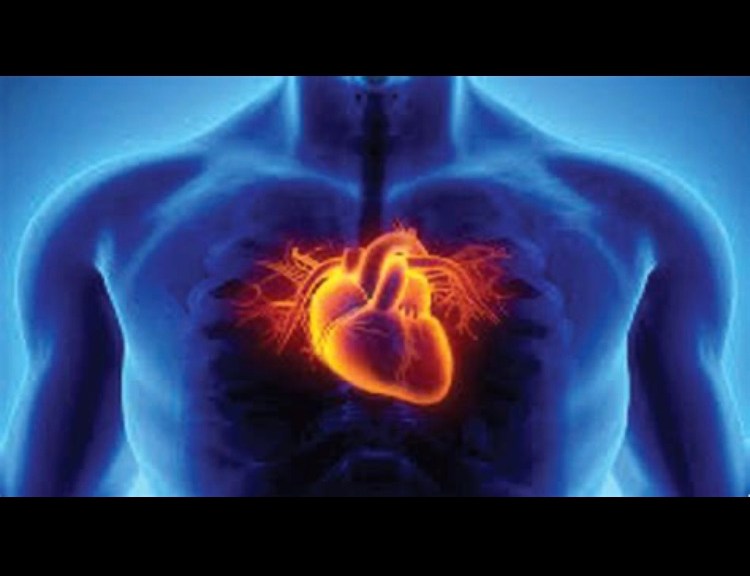
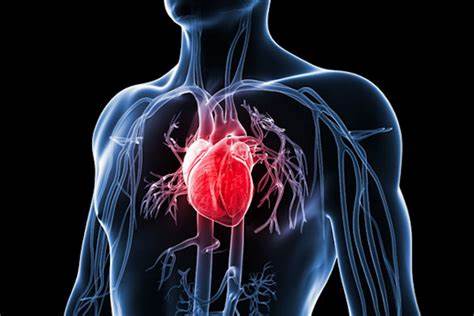
Check My Heart


Check My Heart

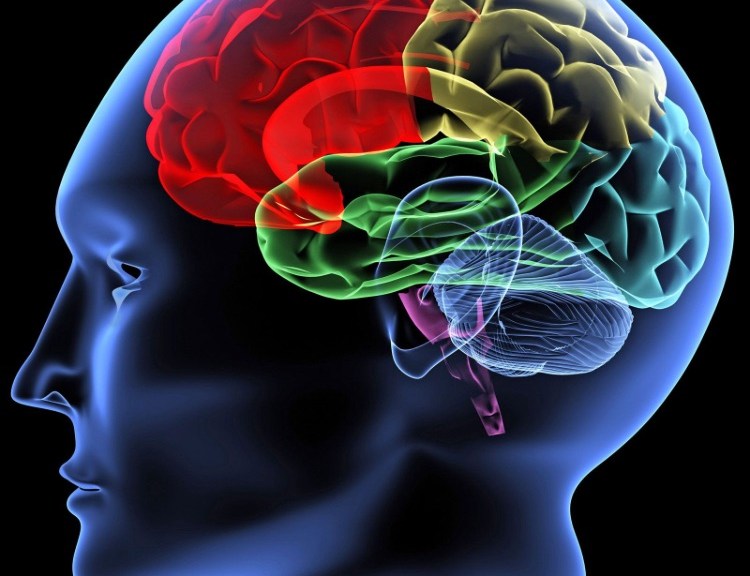
Plastic Brain???


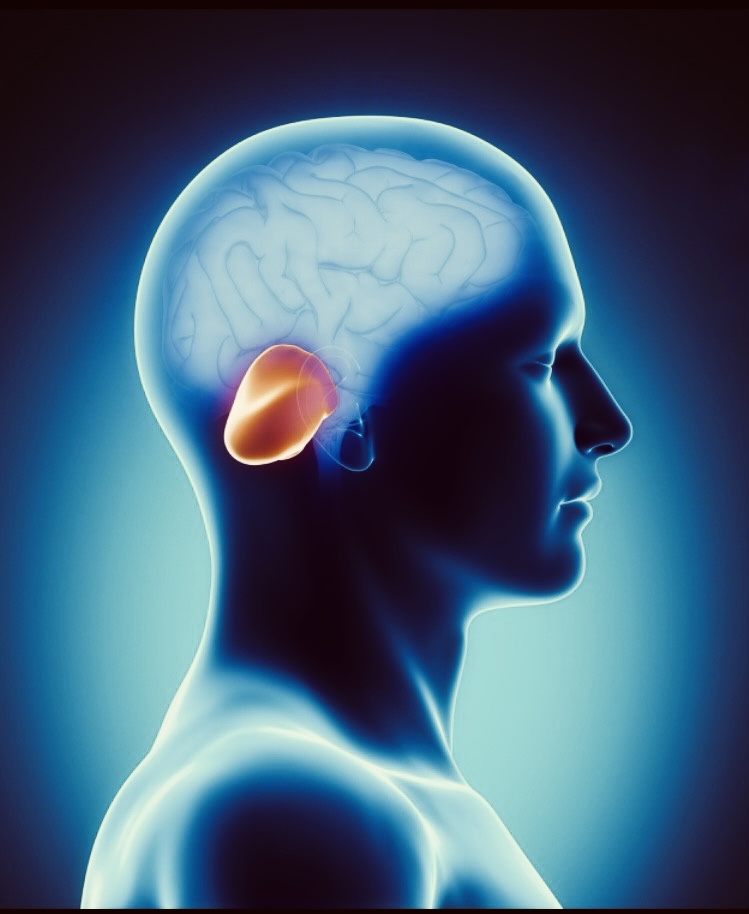
Micro shards of plastic are being found in the human brain.

So this starts a question of how these microplastics are getting into the brains of humans?

We already have experienced sea life and animals containing mega amounts of plastic. From birds dying from consuming larger plastic to the microplastic as its lunch. Whales dying by way of plastic nets wrapped around their mouths and fins. Heading towards the inner river systems they are seeing larger amounts of wild life with microplastic in their systems.

But did you know your body is becoming filled with these microplastics?

Yes, not only the brain but studies have shown for years now microplastics have been found in our liver and kidneys. Particles as small as a grain of sand.

A new study published by the National Institute of Health shows significant relationship to patients with dementia and their brains containing more microplastics than healthy patient cadavers.

https://www.ncbi.nlm.nih.gov/pmc/articles/PMC11100893/

Microplastics are found in the water we drink, the food we eat to the air we breathe. There is no way to prevent this. Our bodies are being consumed by microplastics.

Now through these studies on human cadavers shows the microplastics are in our lungs, testicles, placentas and bone marrow. They have long known that our urine, blood, semen and breast milk contain these microplastics.

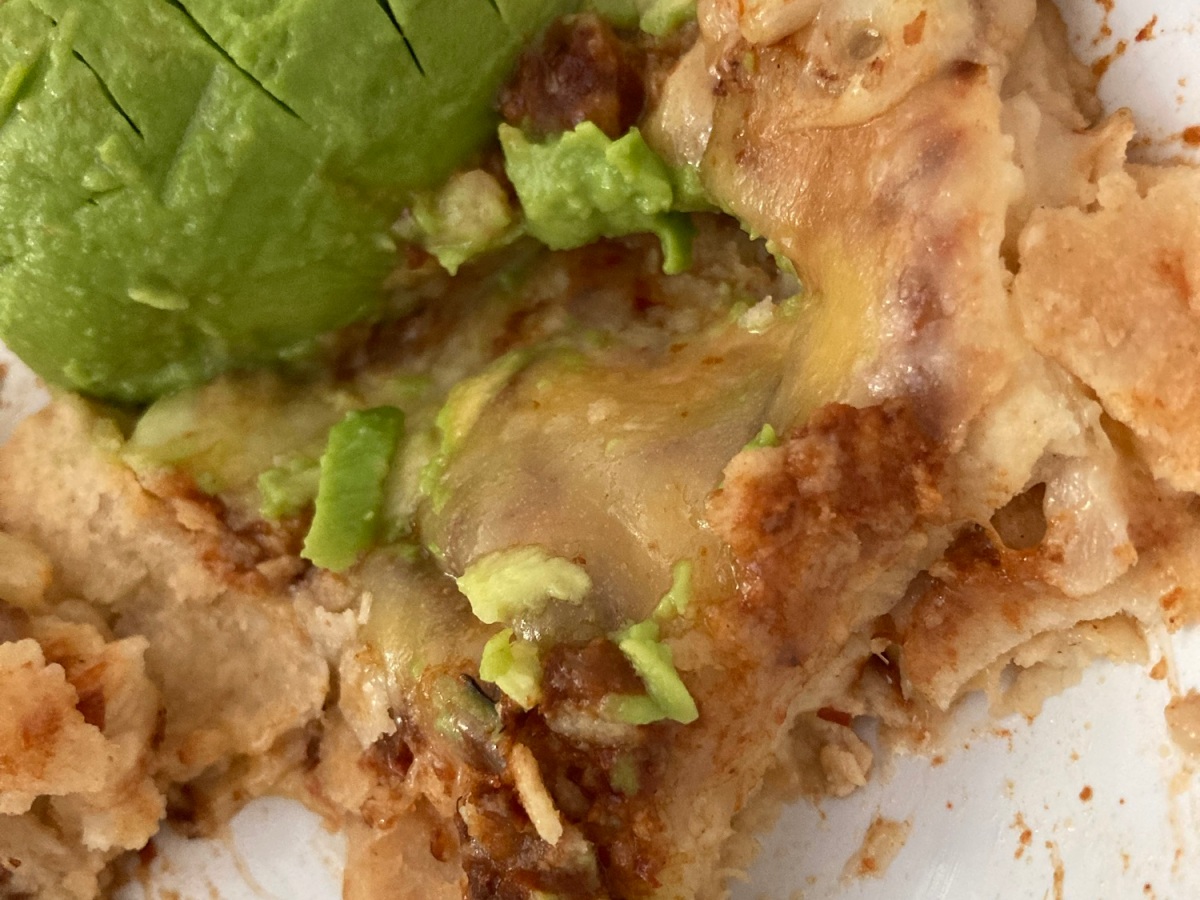
Cheesy Chicken Enchilada Pie with fresh red chili and cinnamon sauce.


Easy fast 30 minute dinner

Super fast and easy recipe for this Cheesy Chicken Enchilada Pie with fresh red chili and cinnamon sauce.

Layer the tortilla on top of sauce. Place chicken and cheese and tortilla. Sauce chicken cheese tortilla sauce. Last layer is cheese on top of tortilla with sauce.

Ingredients

  • Chicken 🐓 cut into 1/4” small pieces
  • Tillamok mixed Mexican 🧀 cheeses
  • Corn Tortillas
  • Avocado
    • Blend all these ingredients together
  • 20 Red chilis 🌶️
  • 1 tablespoon Cinnamon
  • 1 teaspoon Salt 🧂
  • 1 teaspoon Sugar
  • 1 teaspoon ground Cumin 🌱
  • 1 onion Onion 🧅
  • 1 Garlic 🧄
  • 1 Tomato 🍅
  • 1 tablespoon Olive oil 🫒
  • 1 teaspoon Lime 🍋‍🟩 juice

Place all this in blender. Place in sauce pan. Bring to full boil on medium heat. Boiled down to a thicker sauce about 20 minutes. Remove from heat and let cool down 1 hour.

Cheesy Chicken Enchilada Pie with fresh red chili and cinnamon sauce.

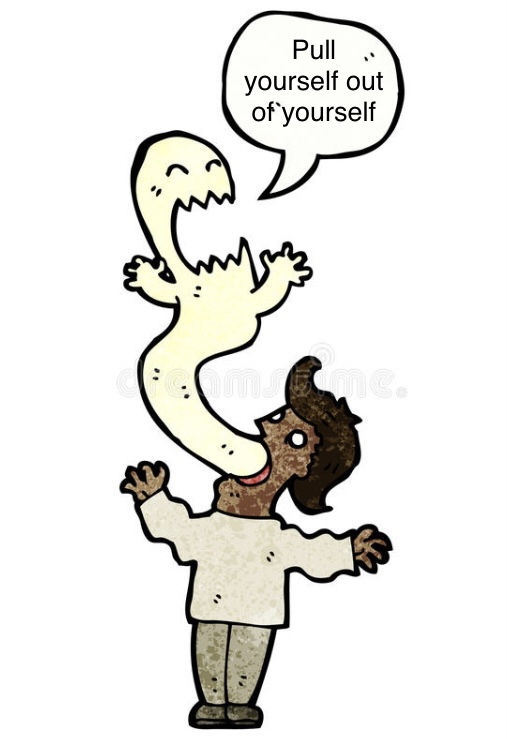
Pull Yourself Out


#orgnatlifecom

ADDICTION


Addiction needs a village to stand behind the addicted.

Honey Cinnamon Rolls


This recipe leaves your rolls nice and moist. Adding a little brown sugar to the recipe can really change the structure of your dough.

Yeast Breads are Quick and Easy to make

  • For Bread Machine
  • Level: Simple / Easy
  • Prep Time: 2.5 hours
  • Video Below

Not only did I change the sugar. I also used evaporated milk instead of water. These rolls are slamming good. Your name will be having a thank you behind it.

For this recipe I will be using evaporated milk. It produces a moist, tender golden brown crust. You can use evaporated, whole, low-fat or skim milk based on your preference. You can also use nonfat dry milk instead of fresh milk and add water for the required liquid.

Reminder: Adjusting your liquid depending on the type of flour you use. If you will be using bread flour you will have to add 1/4 cup more liquid.

Dough Ingredients

  • 1 can Evaporated Milk
  • 1/4 cup Water
  • 3 tablespoons Butter
  • 4 cups Bread Flour
  • 2 tablespoons Brown Sugar
  • 1 1/2 teaspoon Salt
  • 2 teaspoons Yeast

Dough Directions

Set your machine on “DOUGH” and go do something else.

Once your timer goes off on your bread machine to signal your “DOUGH” is finished, remove pan of dough from machine and place it at work station.

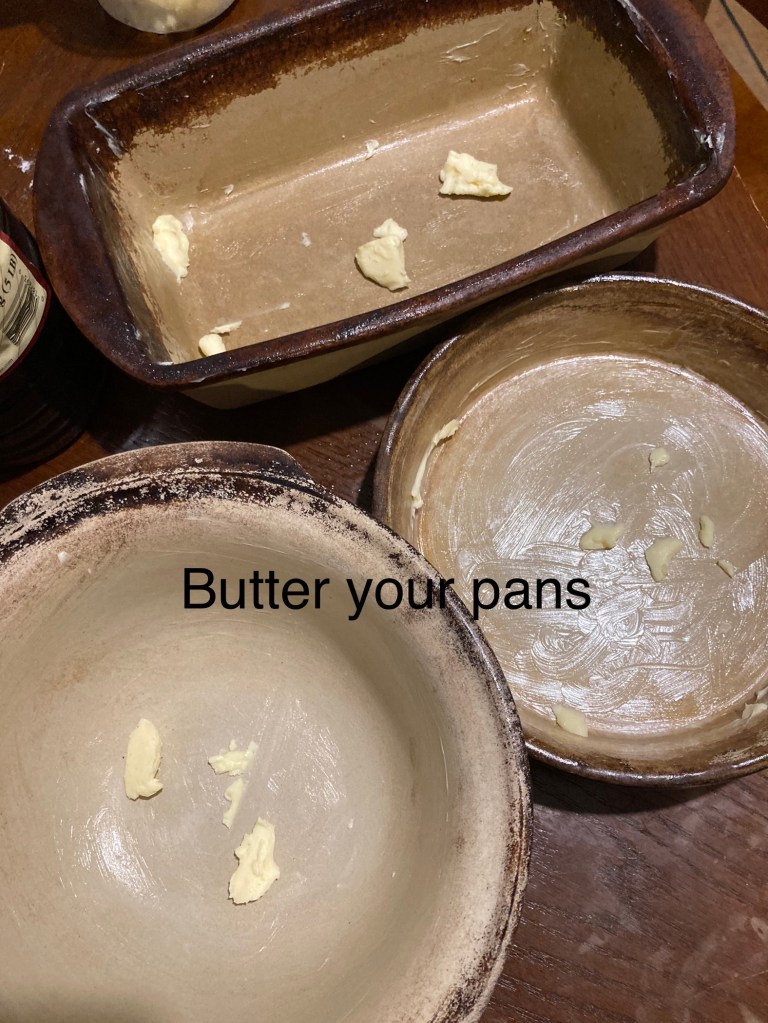
On your work surface place your pans that you will use to cook your rolls.

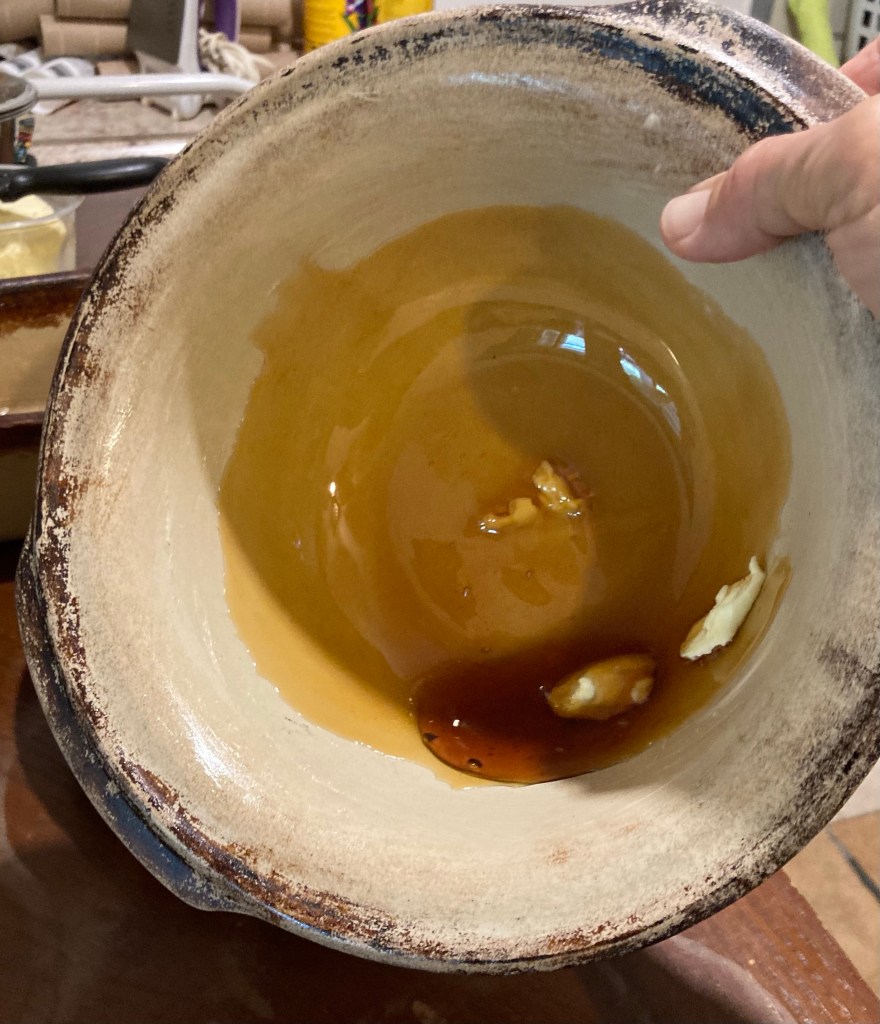
Butter your pans lightly and add the honey.

Coat the sides with the honey

Remove a ball of dough place on table and roll the dough out very thin. If it’s to thick it will come out bread like. So thin is best.

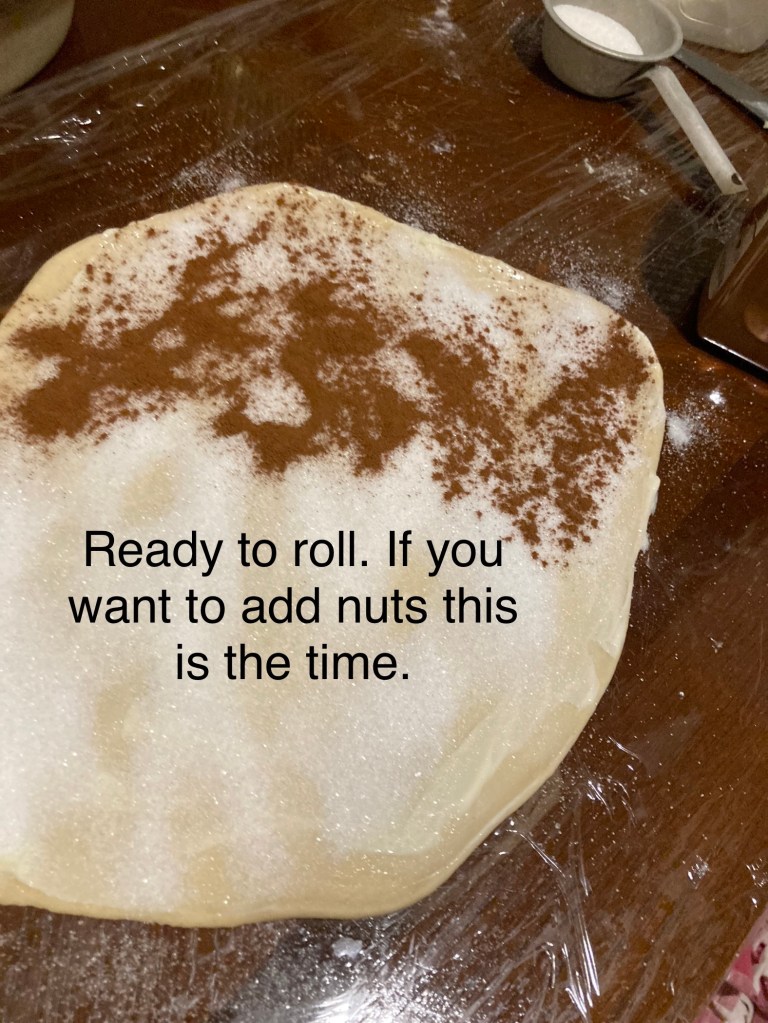
Cover the dough in butter
Sprinkle some sugar
Sprinkle the cinnamon on
Add the nuts if you want them. Chopped finely
Roll the dough
Cut the dough halfway through for fancy look.

Cut 2” pieces for the rolls. Place your rolls 1\4″ apart in pan.

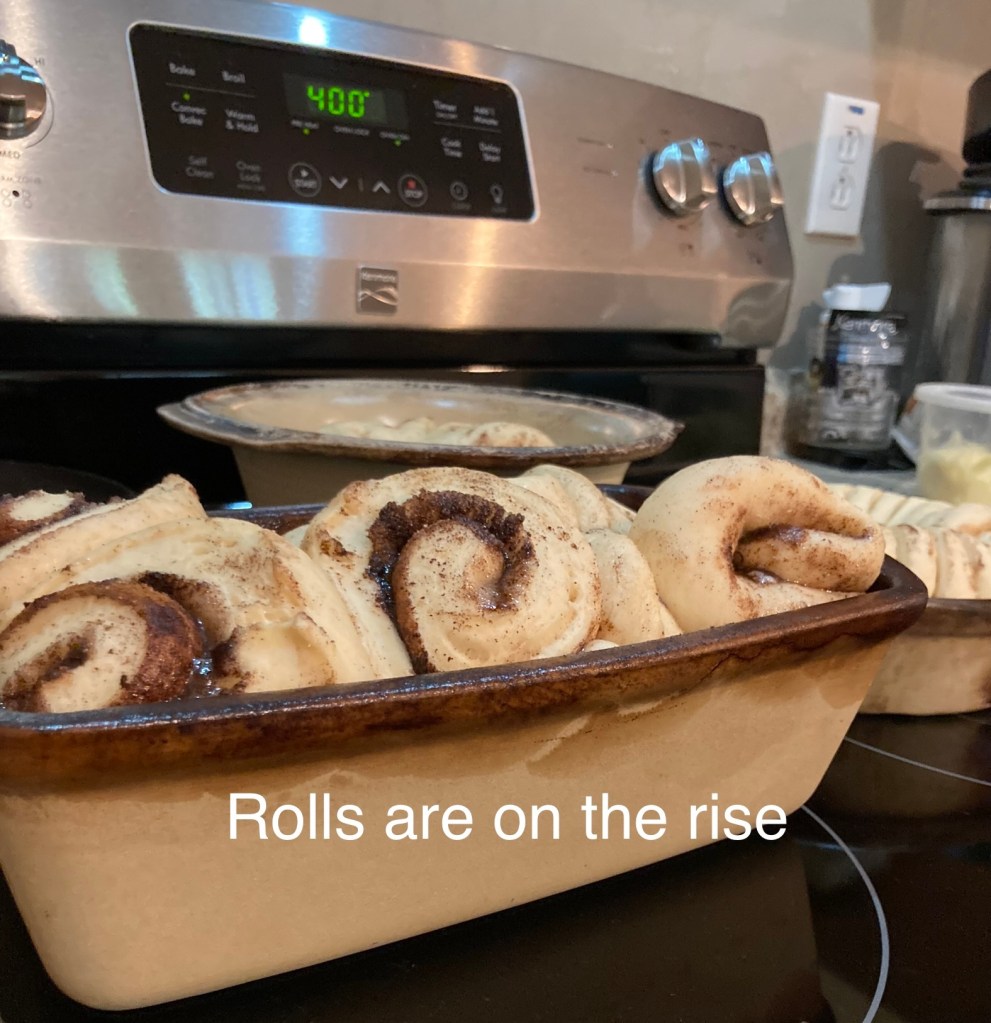
Set in warm area to rise for 25 to 45 minutes. Check after 25 minutes. Best if at least twice to 3 times original size or more.

Place the rolls in the pans
Rolls are rising

Remove from proofing. Preheat your oven to 350 degrees if convection and 375 regular.

Place your pan in the oven on the center rack. Cook for 25 to 30 minutes or until light brown tops.

Do Not Over Cook… Check through glass door of oven after 25 minutes see if tops are brown then remove them. If not, check at 30 minutes.

Remove from oven

Remove and let cool at least 10 minutes.

After 10 minutes slowly flip the pan onto another pan.
Cinnamon rolls flipped onto tray
Flip the rolls over
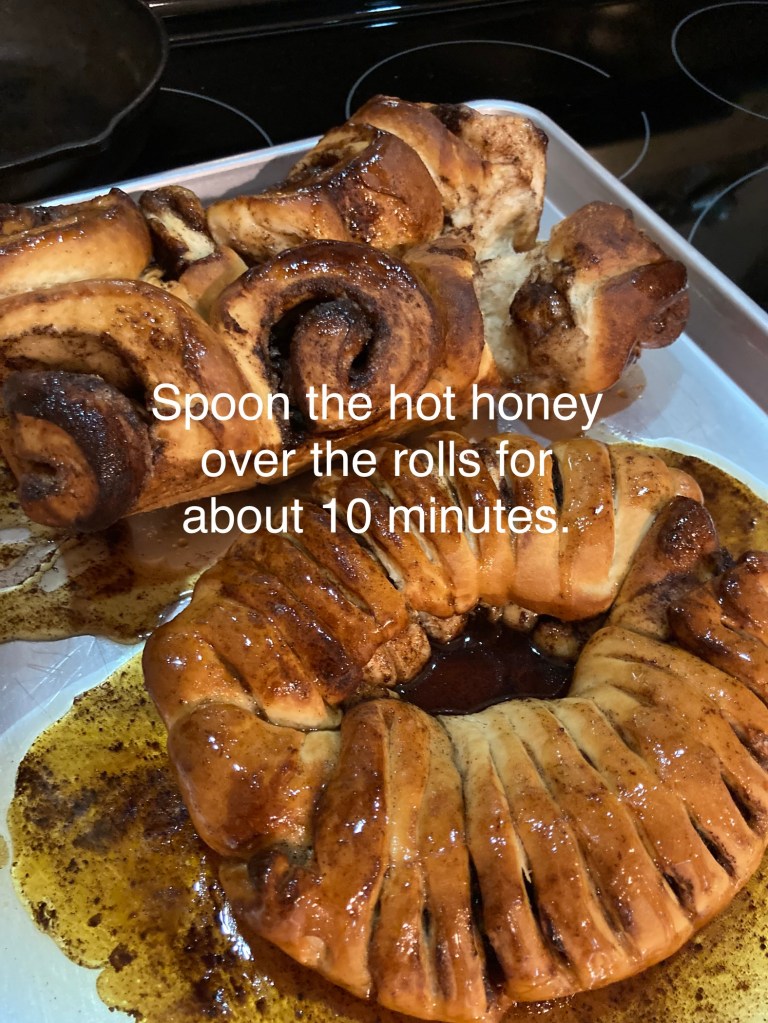
Spoon the hot honey on for 10 minutes

As you gain more confidence at baking bread you will be able to lightly knock on bread and rolls. Easy way to know they are done…

When the timer goes off knock lightly with your finger tip nail on top of rolls “FLICK” it in the center. They will be crispy on the crust. You will hear a clear tone when they are done.

Cooking is amazing once you get going. So every time you bake bread. Keep baking, you will see…

You can also freeze any extra dough. Just make the size of dough lay them on a cookie sheet and freeze and remove place in a baggie and take them out of freezer as you want. Easy simple.

Bon Appetit`

Onomatopoeia


Onomatopoeia

The Benefits of Organic Squash: How to Grow Your Own


Squash is a versatile and nutritious vegetable that can be used in a variety of dishes. It is also an easy vegetable to grow, making it an excellent …

The Benefits of Organic Squash: How to Grow Your Own

Love Bombing: grandiose attention/affection to influence/manipulate.


We met on Match.com. I was a serial first-dater; was in a good spot; loved my work (both jobs!); cherished motherhood and my little boy more; was the…

Love Bombing: grandiose attention/affection to influence/manipulate.

Kerassentials – Video Presentation


Kerassentials – Video Presentation
— Read on thekerassentials.com/video.php

Help them one more time


Addiction needs a village for a cure

Rarest Eye Color?


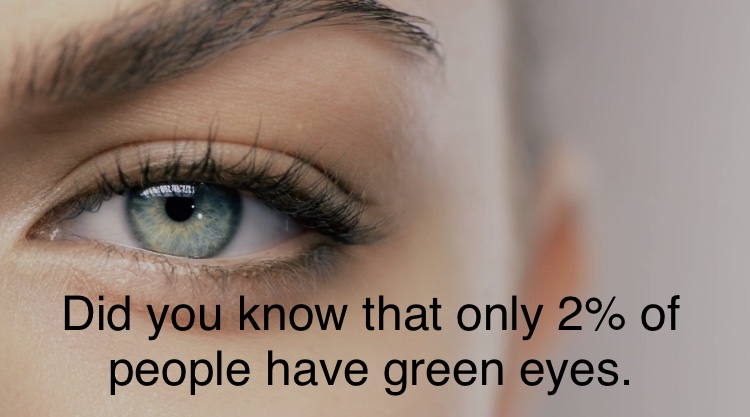
Wow who knew that very few people have green eyes. I thought it would have been much higher. Here are some fun facts about green eyes.

  • Green eyes are the most rare eye color in the world. Only about 2 percent of people in the world have naturally green eyes.
  • Green eyes are a genetic mutation that results in low levels of melanin, though more melanin than in blue eyes.
  • Green eyes don’t actually have any color. While green eyes appear to observer as green, the irises themselves have no actual pigment.
  • 86 percent is the highest concentration of people with green eyes and they are found in Ireland, Scotland, and northern Europe.
  • Sixteen separate genes have been identified as contributing to eye color. So, no matter what eye color your parents have, yours could end up being just about any color. Green eyes naturally occur in all races of people.
  • There is a village in China called Liqian, in which two-thirds of all inhabitants today have green eyes and blonde hair.
  • Green eyes and blonde hair are a rare combination.
  • Every baby is born with either brown or blue eyes. It can take between six months and three years for children to develop green eyes.
  • Because green eyes have less melanin than brown eyes, people with green eyes are more likely to be extra sensitive to UV rays. The more melanin, the better protection from the sun.

Earache and a Volcano’s Atmospheric Pressure


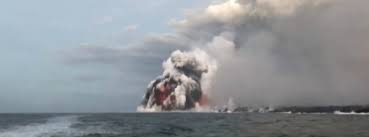
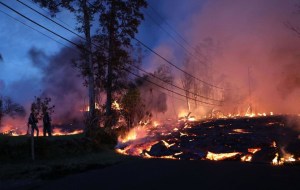
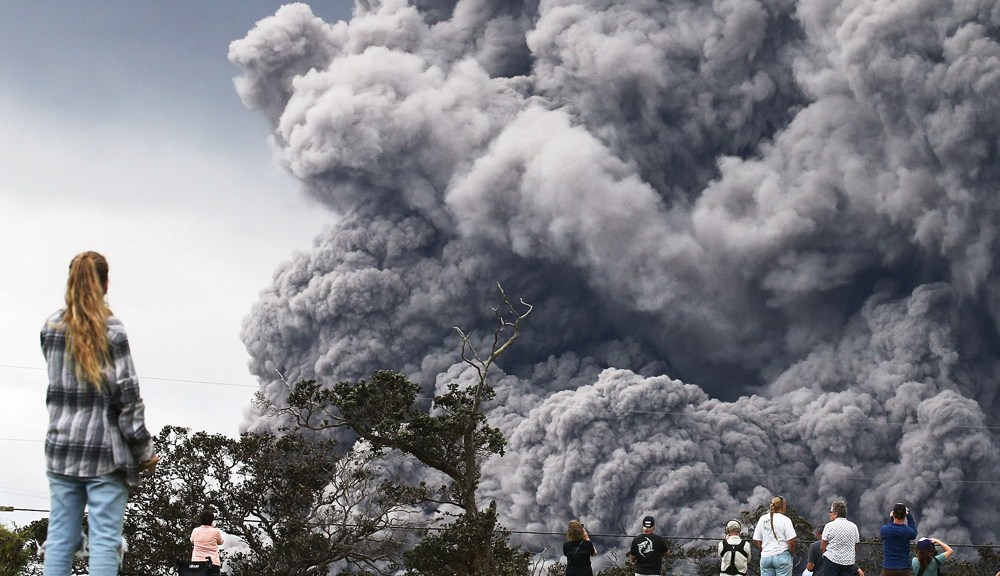
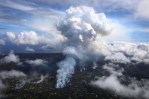
As we all know by now Mauna Loa volcano on the island of Hawaii has erupted.

A woman had reported 2 weeks prior to the eruption of Mauna Loa volcano she had been having earaches. She said she hadn’t had an earache in years. She reported not having had one since the day of the eruption.

Atmospheric pressure waves are a notable phenomenon associated with explosive volcanic eruptions.

Arteries and Calcium Supplements


Dr. Pradip Jamnadas, MD has researched and discovered that calcium supplements may not be for you. Check out his video below.

9 Plants That Absorb Radiation For Easy EMF Protection


Plants that absorb radiation, including EMF radiation, can be an important part of your whole-house EMF protection strategy. As a bonus, many of …

9 Plants That Absorb Radiation For Easy EMF Protection

DONATE YOUR DENTURES TODAY…


DONATE YOUR DENTURES TODAY…

DONATE YOUR DENTURES TODAY…


— Read on orgnatlife.com/2020/01/28/donate-your-dentures-today/

BREAD: Just 5 Ingredients


Dr. Pradip Jamnadas talks about bread and the over use of non essential ingredients.

Dr. Pradip Jamnadas

Basic bread should have 5 ingredients. Flour, sugar, salt, water and yeast. Very little sugar equals 1 tablespoon maximum for 2 lbs of bread dough. Add all the butter and animal fat you want.

It’s what you buy that is adding the weight gain. Not what you are eating.

Have you forgotten to read labels. I know I sure did. Something we should be not be relaxed on. Now more than ever you need to read the ingredients list and ask yourself if all those extra ingredients really necessary. Seriously, some ingredients you can’t even pronounce. Why do you want that in your food?

So this is just what you need to listen to. Change your eating habits and see the difference. Feel the change in energy.

Check out more videos. Subscribe Today

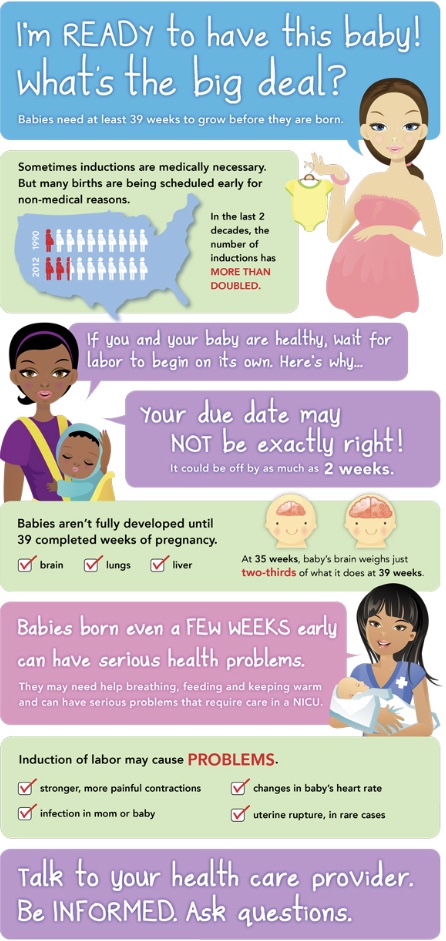
Healthy Moms, Stronger Babies


PROTECT THE HEALTH OF ALL MOMS AND BABIES

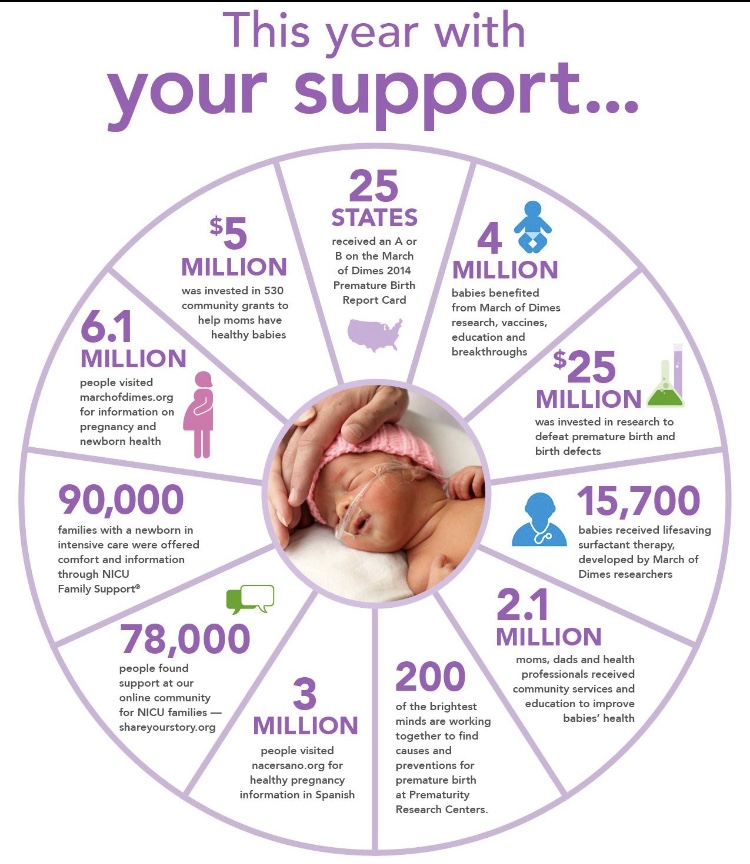
March of Dimes is working for you.

DONATE NOW

Each year, one woman dies every 12 hours from pregnancy related causes, and 1 in 10 babies is born preterm.

Healthy Moms, Strong Babies

When you make a contribution, you’re supporting parents throughout their pregnancies and helping to end preventable maternal health risks and death, end preterm birth and close the health equity gap for every family.

DONATE TODAY

March of Dimes

Give a Gift or Get a gift. Check out great gifts

Together we can take on the critical issues facing families, fight for their health and make the country more equitable for everyone.

DONATE NOW

Give a Gift with March of Dimes

What are the Benefits of Oil Pulling for Skin?


You’ve probably heard of oil pulling, but you may be wondering what all the fuss is about. Oil pulling is an ancient practice that has resurfaced in …

What are the Benefits of Oil Pulling for Skin?

5 Best Sugar Substitutes to Replace Processed Sugar and High Fructose Corn Syrup


Best Sugar Substitutes to Replace Processed Sugar Do you know what the best Sugar Substitutes to Replace Processed Sugar are? If you are trying to …

5 Best Sugar Substitutes to Replace Processed Sugar and High Fructose Corn Syrup

I Know Who I Am NOT…


By Chad Rhodes

When was the last time you took a long look into that mirror? When was the last time you have done the “Me Check”? And if you did, did you ask yourself what have I been thinking???? Mental Check Up is worth a million my friend… If You assume you are “Un-Breakable”, your not. We sometimes forget that we are all humans.

Stop consuming your life and live it

Stop feeling sorry for yourself and start living

Stop Playing the victim and start living

We all need to keep up with these small things that could change our life rapidly into the dark side . Don’t keep that door closed on the “I can’t” corner. Open up and let it go so you can dump off the excess.

Don’t you wonder why we all think that we can not do something. That small hesitation, that we all have right before we are about to board a “Risk”. Our fears take over, even when we know we can.

Don’t be fooled it happens to everyone. You just need the correct tools to combat the negative fields that seem to pile up at times..

Listen to a great inspirational speech by Matthew McConaughey

We all have that moment when we can change it to reflect the positive. Just remember we can all find ourselves on the positive side when we let go of the excess. You might ask what is excess. That you must ask yourself. What makes you crazy, your fears, the negative influences. You’ll find it when you start to look for it. Then You Can Open That Door and Throw It Away.

Need help for domestic violence? Call toll-free: 1-800-799-7233 (SAFE).

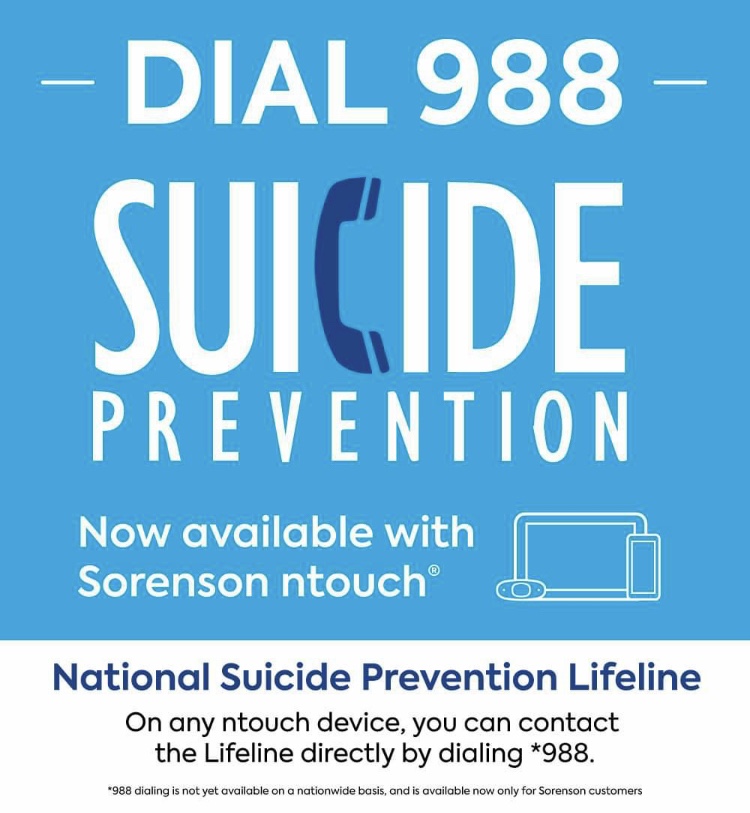
If you’re suicidal, we recommend contacting the National Suicide Prevention Lifeline

CALL 988 for Help


CALL 988 if you need someone to talk. Help is a phone call away.

The nation’s 988 hotline, intended to help anyone experiencing a mental health emergency,

The Forever Dog


Check out Dr. Karen Becker DVM holistic medicine. Best book for you about your family member.

Author

A little something about Karen Shaw Becker . She is the most followed veterinarian in the world, and for good reason. Dr Becker believes in a deliberate, common sense approach to creating and maintaining vibrant health for companion animals and an unconventional, integrative approach to addressing disease and re-establishing wellbeing in ill pets. This refreshing, proactive approach that intentionally focuses on creating or restoring wellbeing has been embraced by millions of pet lovers around the world.

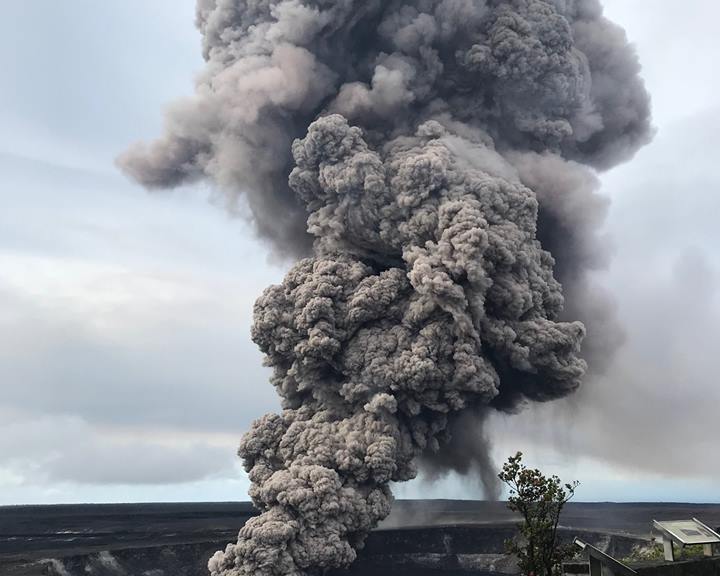
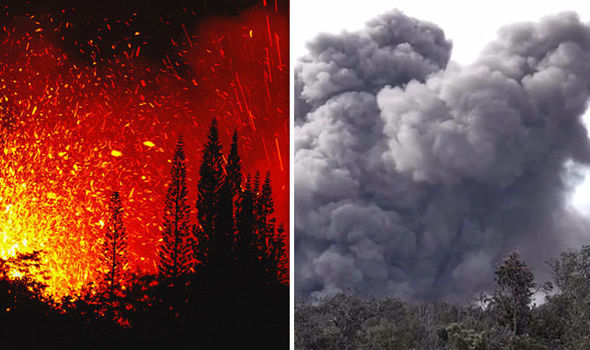
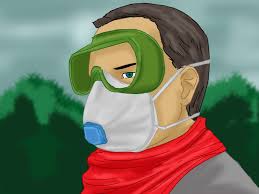
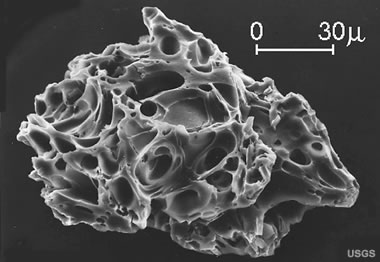
THE HEALTH HAZARDS OF VOLCANIC ASH (part 6 Precautions for Children)


THE HEALTH HAZARDS OF VOLCANIC ASH (part 6 Precautions for Children)

THE HEALTH HAZARDS OF VOLCANIC ASH (part 6 Precautions for Children)


— Read on orgnatlife.com/2018/05/30/the-health-hazards-of-volcanic-ash-part-6-precautions-for-children/

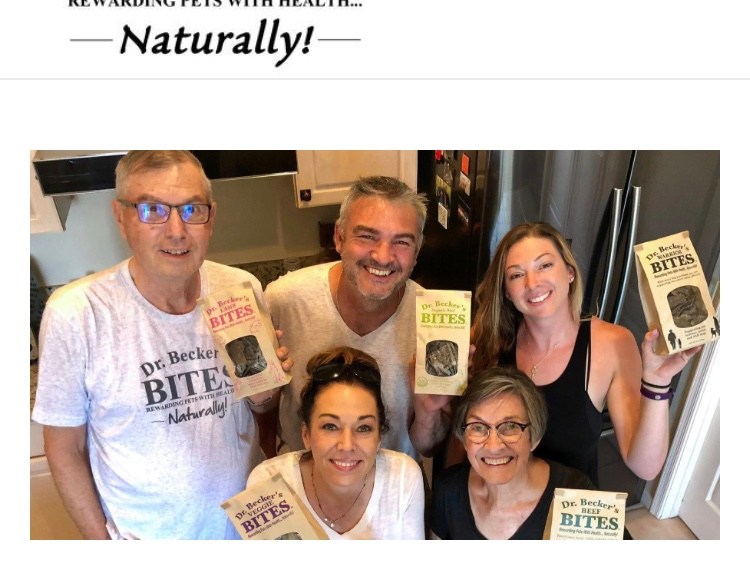
Dr. Becker’s Bites


https://drbeckersbites.com/

We are excited to introduce Dr. Becker’s Forever Dog Bites. This unique one-of-a-kind treat was crafted by years of research that can be found in the newly released book, “The Forever Dog.”

Hateful Space


Having Problems Sleeping?


Having Problems Sleeping?

Having Problems Sleeping?


— Read on orgnatlife.com/2018/02/19/having-problems-sleeping/

Bucket List


Good Or Bad


Superfoods for Getting Over Food Poisoning


Food poisoning is an all-encompassing term involving the consumption of contaminated food, stomach flu, stress, drug interactions, nutrient …

Superfoods for Getting Over Food Poisoning

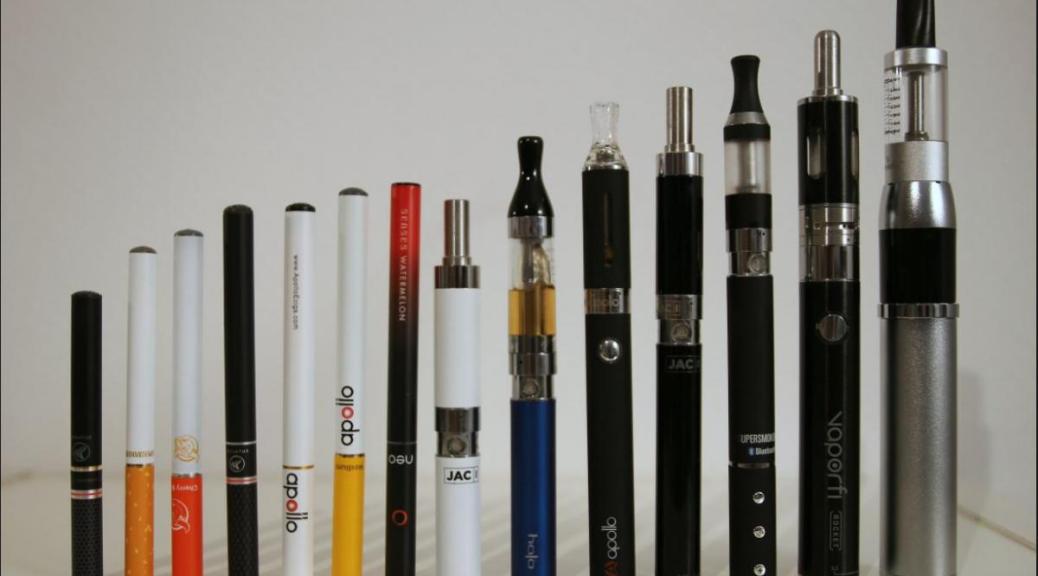
Escape The Vape


It’s killing you, your friends and family members.

QUIT NOW 1-800-784-8669

Sweater Weather !!!!


Ooh Sweater Weather is here!!!

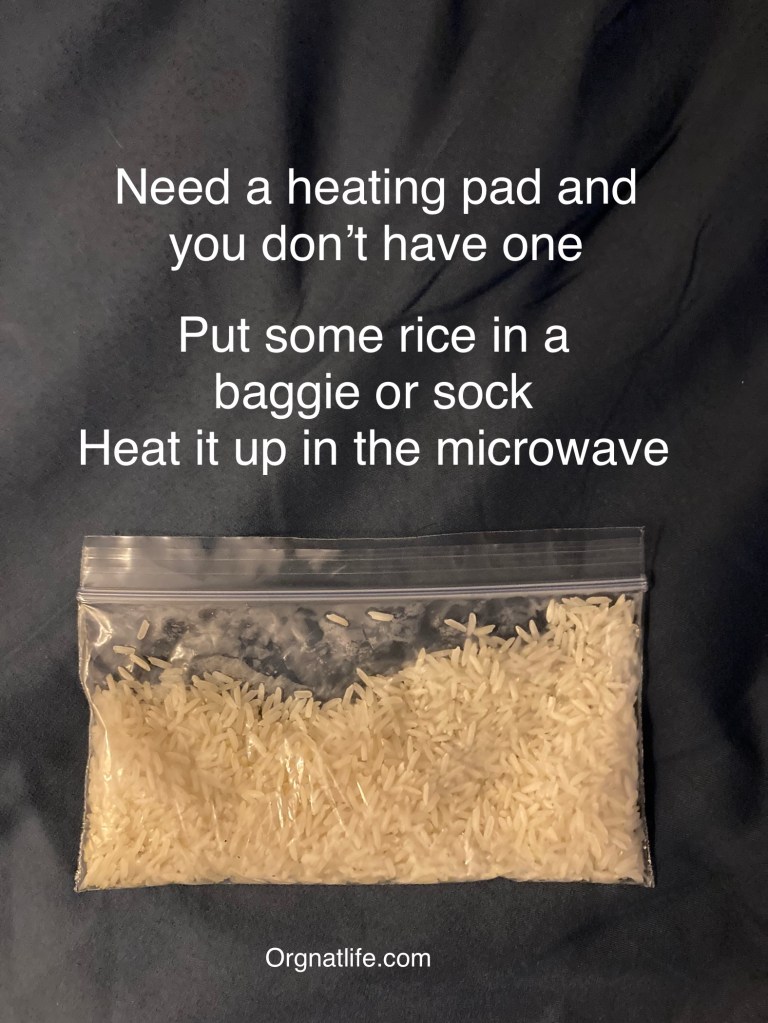
Instant Heating Pad!!!


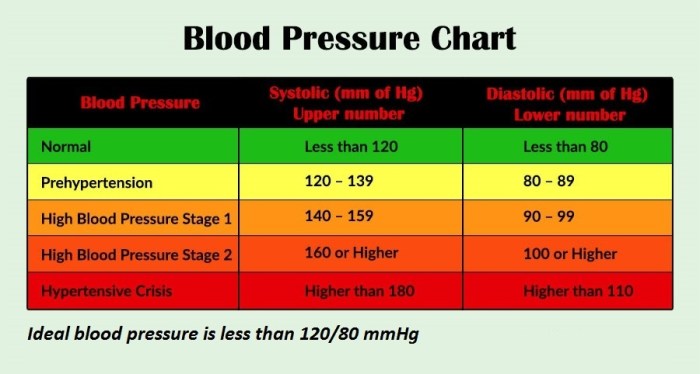
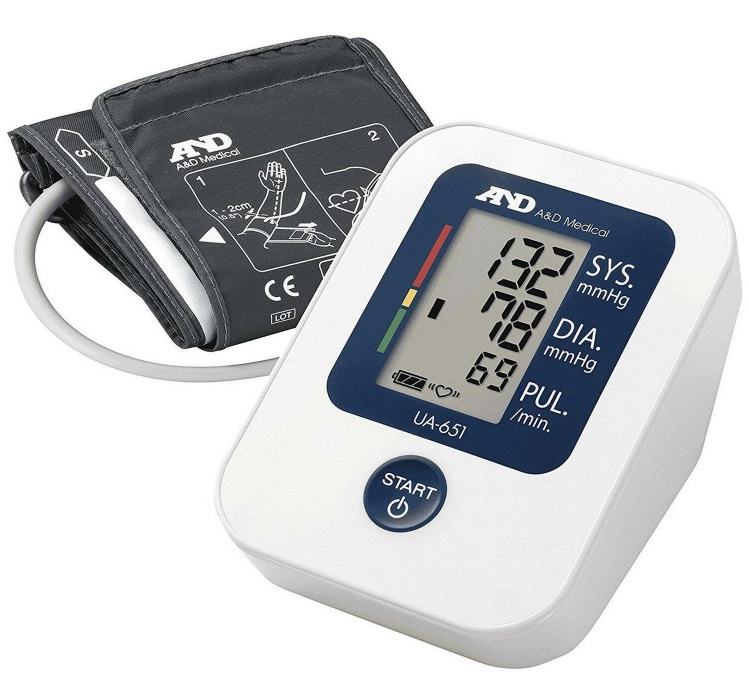
DO YOU SUFFER FROM HIGH BLOOD PRESSURE? SODIUM, IT’S IN EVERYTHING…


If you are suffering from High Blood Pressure the culprit could be sodium.

Have you been reading the labels lately?

I had stopped reading the labels for a couple of years knowing I had read the labels for the items I had chosen. I was shocked to see the changes. Today it seems all products contain some sort of sodium. If you are reading your labels as you shop you will notice SODIUM even when it says “NO ADDED SALT, LOW SALT and LOW SODIUM”.

For optimal heart-health, the American Heart Association recommends consuming no more than 1,500 milligrams of sodium daily. Too much salt, says Dr. Pollak from MAYO Clinic, can increase your blood pressure, in turn, increasing your risk for a heart attack or stroke.

As you can see in the chart below the changes are constant. Today one slice of white bread has 130mg of sodium. Bottled Water has Calcium Chloride, Sodium Bicarbonate which equals to 5mg per 1 cup. More and more products are hiking up the sodium count so watch your labels.

What shocked me the most was milk and water!!!

I didn’t realize no matter what type of organic, fancy expensive or regular cheap cow milk the sodium levels were no less than 120mg of sodium in a one cup serving. WOW, I searched every label in the dairy section just to find that some milks went even higher.

Water, really!!! Adding sodium to every bottled water. Not only sodium, flavoring and natural minerals. Natural minerals, already known to be in water. Minerals are removed when reverse osmosis takes place to filter out the harmful additives. This is no joke. Next time you buy water check it out.

I always shy away from processed meats, processed cheeses and spreads, canned soups and frozen food as much as possible. These are products that can contain thousands of milligrams of sodium. The manufactures use sodium as a natural preservative. It is widely used in all foods.

ideal blood pressure chart 70

You can no longer trust the same brand to continue to have the same ingredients as weeks and months go by. It had only been 1 year since I had last read the labels on some of the staple products I buy each week. Big changes in those foods happened and I wasn’t paying attention. I was intaking so much sodium I had 6 heart attacks in 4 days thinking it was heart burn. Yeah it was heart burn alright. I thought I was doing my healthy life style eating habits but I slipped up and stopped paying attention.

So Remember… READ YOUR LABELS

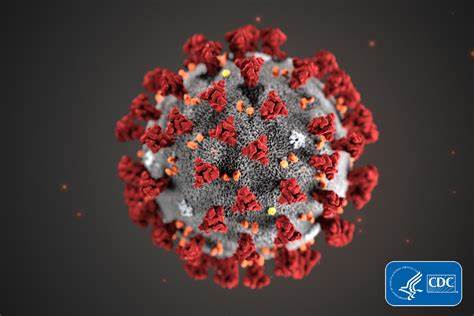
WARNING: New Coronavirus Symptom Appears On Skin


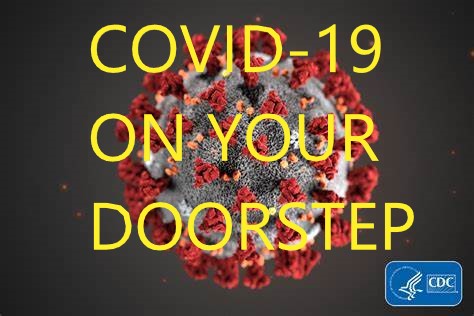
Recently, French Dermatologists revealed that they may have stumbled onto a new COVID-19 symptom.

There are many strains, forms or types of this virus that have all originated from one original virus. It has come in many forms over the years. Animal related to human to slaughtering of millions of chickens throughout the world. Now COVID-19 drops in and kills thousands accross the world. Closes many countries including the USA, right when becoming happy and financially secure once again was actually happening.

We already know the usual symptoms are a dry or constant cough, shortness of breath, fever, flu-like symptoms and headaches. All of these are already proven to be COVID-19 symptoms of a person suffering from the COVID-19 virus.

However, newer symptoms related to the corona virus form COVID-19 are starting to appear as scientists, doctors and experts fighting time to get more information to get a handle on this COVID-19 virus.

Now dermatologists in France have found the virus can cause unusual manifestations on the skin that might signal infection.

According to the New York Post, the French National Union of Dermatologists-Venereologists (SNDV), found dermatological signs like pseudo-frostbite, hives, blisters and persistent redness have been associated with COVID-19. The sudden redness can be painful, said the doctors.

FRANCE – SNDV REPORTS in a press release.: “We are alerting the public and the medical profession in order to detect these potentially contagious patients as quickly as possible.
The doctors advised patients to seek medical consultations in the event they experience such symptoms.
According to The Hospitalist, skin manifestations were also observed in one-fifth of a group of patients with COVID-19 in the Alessandro Manzoni Hospital in Lecco, in northern Italy.

Honestly, DOES ANYONE KNOW What We Are Dealing With?

What is a Virus?


A virus is a submicroscopic infectious agent that replicates only inside the living cells of an organism. Viruses can infect all types of life forms, from animals and plants to microorganisms, including bacteria and archaea.[1] Since Dmitri Ivanovsky‘s 1892 article describing a non-bacterial pathogen infecting tobacco plants, and the discovery of the tobacco mosaic virus by Martinus Beijerinck in 1898,[2] about 5,000 virus species have been described in detail,[3] of the millions of types of viruses in the environment.[4] Viruses are found in almost every ecosystem on Earth and are the most numerous type of biological entity.[5][6] The study of viruses is known as virology, a subspeciality of microbiology.

By derivative work: MouagipAntigenicShift HiRes.png: National Institute of Allergy and Infectious Diseases (NIAID). – AntigenicShift HiRes.png, Public Domain, Link

An influenza pandemic is a global outbreak of a new influenza A virus that is very different from current and recently circulating human seasonal influenza A viruses. Influenza A viruses are constantly changing, making it possible on very rare occasions for non-human influenza viruses to change in such a way that they can infect people easily and spread efficiently from person to person.

Pigs experimentally infected with the strain of swine flu that caused the human pandemic of 2009–10 showed clinical signs of flu within four days, and the virus spread to other uninfected pigs housed with the infected ones and then to humans.

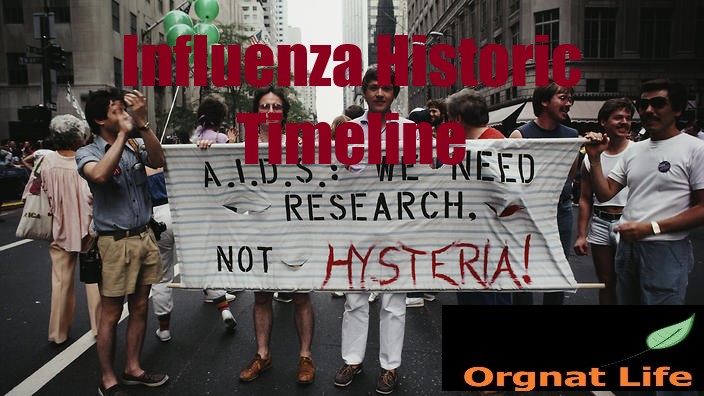
Influenza Historic Timeline


JUST REMEMBER… This is not the first virus pandemic and it’s not the last…

STRESS will kill you before the virus. So take a deep breath, relax and stay at home where you are safe.

Below is a historical timeline of major scientific and public health events and milestones in influenza prevention recorded by the CDC.

1930s
1940s
  • 1940s: Thomas Francis, Jr., MD and Jonas Salk, MD serve as lead researchers at the University of Michigan to develop the first inactivated flu vaccine with support from the U.S. Army. Their vaccine uses fertilized chicken eggs in a method that is still used to produce most flu vaccines today. The Army is involved with this research because of their experience with troop loss from flu illness and deaths during WWI. This original vaccine only includes an inactivated influenza A virus.
  • 1940s: First-generation mechanical ventilators become available. These machines support breathing in patients suffering respiratory complications.
  • 1940: Influenza B viruses are discovered.
  • 1942: A bivalent (two component) vaccine that offers protection against influenza A and influenza B viruses is produced after the discovery of influenza B viruses.
  • 1944: Use of cell cultures for virus growth is discovered. This allows viruses to be cultured outside the body for the first time. The ability to culture influenza from respiratory secretions allows diagnosis of influenza.
  • 1945: Inactivated influenza vaccine is licensed for use in civilians.
  • 1942: The Communicable Disease Center (CDC) opens in the old offices of the Malaria Control in War Areas, located on Peachtree Street in Atlanta, Georgia with a satellite campus in Chamblee. Launched with fewer than 400 employees, the organization—today the Centers for Disease Control and Prevention–moves to its current main campus on Clifton Road in Atlanta in 1947 after paying $10 to Emory University for 15 acres of land.
  • 1947: During the seasonal flu epidemic of 1947, investigators determine that changes in the antigenic composition of circulating influenza viruses has rendered existing vaccines ineffective, highlighting the need for continuous surveillance and characterization of circulating flu viruses.
  • 1948: The World Health Organization (WHO) Influenza Centre is established at the National Institute for Medical Research in London. The primary tasks of the organization are to collect and characterize influenza viruses, develop methods for the laboratory diagnosis of influenza virus infections, establish a network of laboratories, and disseminate data accumulated from their investigations.
1950s
  • 1952: The Global Influenza Surveillance and Response System (GISRS) is created by WHO to monitor the evolution of influenza viruses. The GISRS network originally includes 26 laboratories.
  • 1956: The CDC’s Influenza Branch in Atlanta is designated a WHO Collaborating Centre for Surveillance, Epidemiology & Control of Influenza.
  • 1957: A new H2N2 flu virus emerges to trigger a pandemic. There are about 1.1 million deaths globally, with about 116,000 in the U.S.
1960s
  • 1960: In 1960, the US Surgeon General, in response to substantial morbidity and mortality during the 1957–58 pandemic, recommends annual influenza vaccination for people with chronic debilitating disease, people aged 65 years or older, and pregnant women.
  • 1961: An outbreak in South Africa raises possibility of wild birds as a possible reservoir for influenza A viruses.
  • 1962: CDC launches the 122 Cities Mortality Reporting System. Each week, the vital statistics office of 122 cities across the U.S. report the total number of death certificates processed and the number of those for which pneumonia or influenza is listed as an underlying or contributing cause of death by age group. The system is retired in October 2016.
  • 1966:  The FDA licenses amantadine, a new antiviral medication, as a prophylactic (preventive medicine) against influenza A. It isn’t effective against influenza B.
  • 1967: Dr. H.G. Pereira and colleagues propose a relationship between human and avian flu viruses after a study shows an antigenic relationship between the 1957 human pandemic A virus and an influenza A virus isolated from a turkey. The study raises the question and triggers the body of work on whether human influenza viruses are of avian origin.
  • 1968: A new H3N2 influenza virus emerges to trigger another pandemic, resulting in roughly 100,000 deaths in the U.S. and 1 million worldwide. Most of those deaths are in people 65 and older. H3N2 viruses circulating today are descendants of the H3N2 virus that emerges in 1968.
1970s
  • An H1N1 (swine flu) outbreak among recruits at Fort Dix leads to a vaccination program to prevent a pandemic. Within 10 months, roughly 25% of the US population is vaccinated (48 million people), about twice the level needed to provide coverage for the at-risk population. Cases of Guillain-Barre syndrome, a neurologic condition that in rare instances has been associated with vaccination, among vaccine recipients appeared to be in excess of what was expected, so officials determine the vaccination program should be halted.  1981: CDC begins collecting reports of influenza outbreaks from state and territorial epidemiologists.
1980s

The AIDS epidemic, caused by HIV (Human Immunodeficiency Virus), found its way to the United States as early as 1960, but was first noticed after doctors discovered clusters of Kaposi’s sarcoma and pneumocystis pneumonia in gay men in Los Angeles, New York City, and San Francisco in 1981. Treatment of HIV/AIDS is primarily via a “drug cocktail” of antiretroviral drugs, and education programs to help people avoid infection.

  • Initially, infected foreign nationals were turned back at the U.S. border to help prevent additional infections. The number of U.S. deaths from AIDS have declined sharply since the early years of the disease’s presentation domestically. In the United States in 2016, 1.1 million people aged over 13 lived with an HIV infection, of whom 14% were unaware of their infection.
  • As of 2016, about 675,000 people have died of HIV/AIDS in the U.S. since the beginning of the HIV epidemic, and even today, nearly 13,000 people with AIDS in the United States die each year. [3]
  • With improved treatments and better prophylaxis against opportunistic infections, death rates have quite significantly declined.[4]
  • The overall death rate among persons diagnosed with HIV/AIDS in New York City decreased by sixty-two percent from 2001 to 2012.
1990s
  • 1993: The Vaccines for Children (VFC) Program is established as a result of a measles outbreak to provide vaccines at no cost to children whose parents or guardians might not be able to afford them. The program increases the likelihood of children getting recommended vaccinations on schedule.
  • 1993: The costs of influenza vaccine become a covered benefit under Medicare Part B.
  • 1994: Rimantadine, derived from amantadine, is approved by the FDA to treat influenza A.
  • 1996: An avian influenza H5N1 virus is first isolated from a farmed goose in China.
  • 1997: The first human infection with an avian influenza A H5N1 virus is identified in Hong Kong.
  • 1997: FluNet, a web-based flu surveillance tool, is launched by WHO. It is a critical tool for tracking the movement of flu viruses globally. Country data is updated weekly and is publically available.
  • 1998: Influenza virus surveillance in swine, conducted by the US Department of Agriculture, begins in the United States. A virus that is a hybrid of human, bird and swine flu viruses is detected in pigs. This virus becomes the dominant flu virus in U.S. pigs by 1999.
  • 1999: A pandemic planning framework is published by WHO emphasizing the need to enhance influenza surveillance, vaccine production and distribution, antiviral drugs, influenza research and emergency preparedness
  • 1999: The neuraminidase inhibitors oseltamivir (Tamiflu®) and zanamivir (Relenza®) are licensed to treat influenza infection.
2000s
  • April 2002: The Advisory Committee on Immunization Practices (ACIP) encourages that children 6 to 23 months of age be vaccinated annually against influenza.
  • 2003: Public health officials are concerned about a re-emergence of H5N1 avian influenza reported in China and Vietnam.
  • June 2003: The first nasal spray flu vaccine is licensed.
  • 2004: The National incident Management System (NIMS) is established to coordinate response for public health incidents that require actions by all levels of government, as well as public, private, and nongovernmental organizations.
  • 2005: The US. Government National Strategy for Pandemic Influenza is published
  • 2005: The entire genome of the 1918 H1N1 pandemic influenza virus is sequenced
  • 2006: CDC stops recommending adamantanes during the 2005-2006 season after high levels of resistance among influenza A viruses. In the US, resistance increased from 1.9% during the 2003-2004 season to 11% in the 2004-2005 season.
  • 2006: The National Strategy for Pandemic Influenza Implementation Plan is published. The document outlines U.S. preparedness and response to prevent the spread of a pandemic.
  • 2007: The American Veterinary Medical Association (AVMA) establishes the One Health initiative Task Force, an effort to attain optimal health for people, animals, and the environment.
  • 2007: The American Medical Association unanimously approves a resolution calling for increased collaboration between human and veterinary medical communities. The term ‘one health,’ which looks at the interactions between animal and human health, enters the medical and scientific lexicon.
  • 2007: The One Health approach is recommended for pandemic preparedness during the International Ministerial Conference on Avian and Pandemic Influenza
  • 2007: FDA approves the first U.S. vaccine for people against an avian influenza A(H5N1) virus.
  • 2007: Human infection with a novel influenza virus is added to the nationally notifiable disease list
  • 2008:  ACIP expands its influenza vaccination recommendation to include vaccination of children ages 5-18 years.
  • 2008: HHS Pandemic Influenza Operational Plan is published
  • 2008: CDC receives US Food and Drug Administration approval for a highly sensitive influenza polymerase chain reaction (PCR) assay. These tests can detect influenza with high specificity that enhances diagnosis and treatment options.
  • 2008: The Influenza Reagent Resource (IRR) is established by CDC to provide registered users with reagents, tools, and information to study and detect influenza viruses
  • April 17, 2009:  A new H1N1 virus is detected in the U.S.
  • CDC begins working to develop a virus (called a candidate vaccine virus) that could be used to make vaccine to protect against this new virus.
  • April 25, 2009: The World Health Organization (WHO) declares a public health emergency of international concern.
  • June 11, 2009: WHO officially declares the new 2009 H1N1 outbreak a pandemic.
  • 2009: CDC begins a complex and multi-faceted response to the H1N1 pandemic which lasts more than a year.
  • 2009: Physicians use point of care rapid immunoassay tests to provide influenza results within 15 minutes during the H1N1 pandemic
  • October 5, 2009: The first doses of monovalent H1N1 pandemic vaccine are administered.
2010s
  • August 10, 2010: WHO declares an end to 2009 H1N1 influenza pandemic.
  • 2010:  The ACIP recommends annual influenza vaccination for those 6 months of age and older.
  • 2012: Vaccines containing cell-cultured virus become available. Even though eggs continue to be the primary means of production, cell culture emerges as an alternative method for producing influenza vaccines.
  • 2012: WHO makes first vaccine composition recommendation for a quadrivalent vaccine.
  • 2012: CDC partners with Association of Public Health laboratories to define the optimal right size for influenza virologic surveillance. The project produces right-size calculators; statistical tools that help states determine the optimal amount of influenza testing needed for desired confidence levels of surveillance.
  • 2014: The FDA approves peramivir (Rapivab) to treat influenza in adults. It is the first IV flu medication.
  • 2017: CDC updates guidelines for use of non-pharmaceutical measures to help prevent spread of pandemic influenza based on latest scientific evidence. These are actions that individuals and communities can take to help slow spread of the flu like staying home when sick, covering a cough or sneeze, and frequently washing hands.

2020 COVID-19 Information still to be recorded

TIME TO PAY ATTENTION PEOPLE… NEW DANGERS WITH COVID-19?


SOURCE: MAYO CLINIC

Español

A new study suggests that the novel coronavirus(check out the video) COVID-19 can remain in the air for up to three hours, and live on surfaces such as plastic and stainless steel for up to three days.

Pre-existing conditions among people who are more likely to be affected included

  • diabetes
  • cancer
  • chronic lung disease
  • chronic heart disease
  • chronic kidney disease

Some infected people had mild symptoms (such as cold-like symptoms) or no symptoms at all.

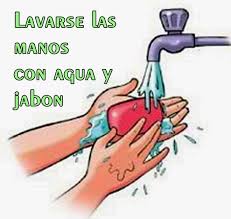
AYUDO A CONTROLAR EL VIRUS COVID-19 LAVANDO MIS MANOS MUCHAS.


Las Manos a Lavar – Gallina Pintadita 3 – Oficial – Canciones infantiles para niños y bebés

Los Centros para el Control y la Prevención de Enfermedades (CDC) están vigilando de cerca un brote de enfermedad respiratoria causada por un nuevo coronavirus que se identificó por primera vez en Wuhan, en la provincia de Hubei, en China. Esta es una situación emergente que está cambiando rápidamente y los CDC continuarán brindando información actualizada a medida que esté disponible. Los CDC trabajan a toda hora para proteger la salud de las personas. Es función de los CDC preocuparse y actuar rápidamente cada vez que haya un problema potencial para la salud pública. Hay información adicional sobre la respuesta de los CDC al  COVID-19 en inglés. Leer Más

  • Las Manos a Lavar (Letra):
  • La, la, la las manos a lavar
  • A lavar La, la, la las manos
  • a lavar A lavar Para tomar un pan Las manitas,
  • a lavar Antes de comer el lunch Las manitas,
  • a lavar Si fuiste al baño, entonces…
  • Las manitas, a lavar Si tocaste algo sucio en suelo Las manitas,
  • a lavar A lavar las manos
  • Chic, chic, chic
  • A lavar las manos
  • Chic, chic, chic
  • La, la, la, la las manos a lavar
  • La, la, la las manos a lavar
  • A lavar La, la, la las manos a lavar
  • A lavar Al llegar de un paseo
  • Si fuiste al baño
  • Si tomaste el autobús
  • Si jugaste en el piso
  • Espuma, espuma y manos a lavar
  • © Bromelia Produções

CARTOON HUMOR: WASH YOUR HANDS… LAVA LAS MANOS`


MUST SEE VIDEO… TiKToK CORONAVIRUS SONG GONE VIRAL lol


coronavirus song vietnam health department
VIDEO BELOW STORY


Vietnamese Corona virus TikTok songs taking over the internet as a challenge.

Thanks to YouTuber: Nikki Châu Ngọc Trân who translated this into English.

IN HER OWN WORDS, Nikki Châu Ngọc Trân

Hi everyone. I came across the video and liked it so much, I translated the lyrics into English and add as subtitles. The original video is here: https://www.youtube.com/watch?v=BtulL….

My English translation is here. Vietnamese original text is below. I took some tiny creative license with the translation to make the text flow in English, such as “fight coronavirus” instead of “push back coronavirus”.

VIDEO CONTEXT:
Ghen means jealous. Cô Vy appears to be a word play on Covid. Cô means lady. Vy is a common Vietnamese name. The video is portraying the virus as someone who’s trying to come between a couple. At the beginning of the video the couple was fighting and at the end they came together. And yes, the video does perpetuate gender roles. (This song is based on another song the same musicians made: https://www.youtube.com/watch?v=Vk8_0…)

TRANSLATED TEXT:
“‘Ghen Cô Vy’ is creation of the Vietnamese Institute of Occupational and Environmental Health, in collaboration with musicians Khac Hung, Min, and Erik.

Through this project, we aim to empower and strengthen trust in the community, so that we can join hands to combat COVID-19 (aka nCoV-2019).

In this critical moment of fighting the virus, we hope the song will ignite our spirits and reduce stress for the frontline fighters of this war: the team of experts, physicians, health workers and millions of other workers who are in the frontline of exposure and daily struggle with this disease.

Let our community take the initiative in implementing preventive habits as recommended by health experts, and let us spread goodness and kindness to win the disease together.”

CREDITS:
Producer: Institute of Occupational and Environmental Health
Music & Lyrics: Khắc Hưng
Singer: Min x Erik
Visual: Yang Animation Artist

ORIGINAL VIETNAMESE TEXT:
“‘Ghen Cô Vy’ là 1 dự án sáng tạo của Viện Sức khoẻ nghề nghiệp và môi trường, hợp tác với nhạc sĩ Khắc Hưng , ca sĩ Min và ca sĩ Erik.

Qua dự án này, chúng tôi mong muốn được tiếp thêm sức mạnh và niềm tin cho cộng đồng, để chúng ta cùng chung tay chống dịch COVID-19 (hay còn gọi là nCoV-2019).

Trong thời khắc quan trọng chiến đấu với dịch bệnh này, chúng tôi mong ca khúc có thể truyền thêm lửa và bớt chút căng thẳng cho những chiến sĩ tuyến đầu của cuộc chiến này. Đó là đội ngũ chuyên gia, các y bác sĩ, các nhân viên y tế và hàng triệu người lao động, những người ở tiền tuyến vẫn tiếp xúc và đấu tranh hàng ngày với dịch bệnh.

Cộng đồng chúng ta hãy cùng nhau chủ động thực hiện các thói quen phòng bệnh theo khuyến cáo của các cơ quan chuyên môn và lan toả những điều tử tế, tốt đẹp để cùng nhau chiến thắng dịch bệnh.”

“Jealous Coronavirus” music video from Vietnamese Health Dept. w/ English subtitles

https://youtu.be/6Ud_MP3dj7k


DASH DIET, Needs More Research, What’s your opinion?


healthlife-sign

SOURCED FROM: MAYO CLINIC, Wikipedia

IS THIS DIET HEART SMART?

DASH DIET:  MAYO CLINIC reports healthy eating to lower your blood pressure.
The DASH diet emphasizes the right portion sizes, variety of foods and nutrients. Discover how DASH can improve your health and lower your blood pressure.

DASH stands for Dietary Approaches to Stop Hypertension. The DASH diet is a lifelong approach to healthy eating that’s designed to help treat or prevent high blood pressure (hypertension). The DASH diet plan was developed to lower blood pressure without medication in research sponsored by the National Institutes of Health.

The DASH diet encourages you to reduce the sodium in your diet and eat a variety of foods rich in nutrients that help lower blood pressure, such as potassium, calcium and magnesium.
By following the DASH diet, you may be able to reduce your blood pressure by a few points in just two weeks. Over time, the top number of your blood pressure (systolic blood pressure) could drop by eight to 14 points, which can make a significant difference in your health risks.
Because the DASH diet is a healthy way of eating, it offers health benefits besides just lowering blood pressure. The DASH diet is also in line with dietary recommendations to prevent osteoporosis, cancer, heart disease, stroke and diabetes.
DASH diet: Sodium levels

The DASH diet emphasizes vegetables, fruits and low-fat dairy foods — and moderate amounts of whole grains, fish, poultry and nuts.
In addition to the standard DASH diet, there is also a lower sodium version of the diet. You can choose the version of the diet that meets your health needs:

Standard DASH diet. You can consume up to 2,300 milligrams (mg) of sodium a day.
Lower sodium DASH diet. You can consume up to 1,500 mg of sodium a day.
Both versions of the DASH diet aim to reduce the amount of sodium in your diet compared with what you might get in a typical American diet, which can amount to a whopping 3,400 mg of sodium a day or more.
The standard DASH diet meets the recommendation from the Dietary Guidelines for Americans to keep daily sodium intake to less than 2,300 mg a day.
The American Heart Association recommends 1,500 mg a day of sodium as an upper limit for all adults. If you aren’t sure what sodium level is right for you, talk to your doctor.
DASH diet: What to eat

Both versions of the DASH diet include lots of whole grains, fruits, vegetables and low-fat dairy products. The DASH diet also includes some fish, poultry and legumes, and encourages a small amount of nuts and seeds a few times a week.

You can eat red meat, sweets and fats in small amounts. The DASH diet is low in saturated fat, trans fat and total fat.
Here’s a look at the recommended servings from each food group for the 2,000-calorie-a-day DASH diet.
Grains: 6 to 8 servings a day
Grains include bread, cereal, rice and pasta. Examples of one serving of grains include 1 slice whole-wheat bread, 1 ounce dry cereal, or 1/2 cup cooked cereal, rice or pasta.
Focus on whole grains because they have more fiber and nutrients than do refined grains. For instance, use brown rice instead of white rice, whole-wheat pasta instead of regular pasta and whole-grain bread instead of white bread. Look for products labeled “100% whole grain” or “100% whole wheat.”
Grains are naturally low in fat. Keep them this way by avoiding butter, cream and cheese sauces.
Vegetables: 4 to 5 servings a day
Tomatoes, carrots, broccoli, sweet potatoes, greens and other vegetables are full of fiber, vitamins, and such minerals as potassium and magnesium. Examples of one serving include 1 cup raw leafy green vegetables or 1/2 cup cut-up raw or cooked vegetables.
Don’t think of vegetables only as side dishes — a hearty blend of vegetables served over brown rice or whole-wheat noodles can serve as the main dish for a meal.
Fresh and frozen vegetables are both good choices. When buying frozen and canned vegetables, choose those labeled as low sodium or without added salt.
To increase the number of servings you fit in daily, be creative. In a stir-fry, for instance, cut the amount of meat in half and double up on the vegetables.
Fruits: 4 to 5 servings a day
Many fruits need little preparation to become a healthy part of a meal or snack. Like vegetables, they’re packed with fiber, potassium and magnesium and are typically low in fat — coconuts are an exception.
Examples of one serving include one medium fruit, 1/2 cup fresh, frozen or canned fruit, or 4 ounces of juice.
Have a piece of fruit with meals and one as a snack, then round out your day with a dessert of fresh fruits topped with a dollop of low-fat yogurt.
Leave on edible peels whenever possible. The peels of apples, pears and most fruits add interesting texture to recipes and contain healthy nutrients and fiber.
Remember that citrus fruits and juices, such as grapefruit, can interact with certain medications, so check with your doctor or pharmacist to see if they’re OK for you.
If you choose canned fruit or juice, make sure no sugar is added.
Dairy: 2 to 3 servings a day
Milk, yogurt, cheese and other dairy products are major sources of calcium, vitamin D and protein. But the key is to make sure that you choose dairy products that are low-fat or fat-free because otherwise they can be a major source of fat — and most of it is saturated.
Examples of one serving include 1 cup skim or 1 percent milk, 1 cup low-fat yogurt, or 1 1/2 ounces part-skim cheese.
Low-fat or fat-free frozen yogurt can help you boost the amount of dairy products you eat while offering a sweet treat. Add fruit for a healthy twist.
If you have trouble digesting dairy products, choose lactose-free products or consider taking an over-the-counter product that contains the enzyme lactase, which can reduce or prevent the symptoms of lactose intolerance.
Go easy on regular and even fat-free cheeses because they are typically high in sodium.
Lean meat, poultry and fish: 6 one-ounce servings or fewer a day
Meat can be a rich source of protein, B vitamins, iron and zinc. Choose lean varieties and aim for no more than 6 one-ounce servings a day. Cutting back on your meat portion will allow room for more vegetables.
Examples of one serving include 1 egg or 1 ounce of cooked meat, poultry or fish.
Trim away skin and fat from poultry and meat and then bake, broil, grill or roast instead of frying in fat.
Eat heart-healthy fish, such as salmon, herring and tuna. These types of fish are high in omega-3 fatty acids, which are healthy for your heart.
Nuts, seeds and legumes: 4 to 5 servings a week
Almonds, sunflower seeds, kidney beans, peas, lentils and other foods in this family are good sources of magnesium, potassium and protein.
They’re also full of fiber and phytochemicals, which are plant compounds that may protect against some cancers and cardiovascular disease.
Serving sizes are small and are intended to be consumed only a few times a week because these foods are higher in calories.
Examples of one serving include 1/3 cup nuts, 2 tablespoons seeds or nut butter, or 1/2 cup cooked beans or peas.
Nuts sometimes get a bad rap because of their fat content, but they contain healthy types of fat — monounsaturated fat and omega-3 fatty acids. Nuts are high in calories, however, so eat them in moderation. Try adding them to stir-fries, salads or cereals.
Soybean-based products, such as tofu and tempeh, can be a good alternative to meat because they contain all of the amino acids your body needs to make a complete protein, just like meat.
Fats and oils: 2 to 3 servings a day
Fat helps your body absorb essential vitamins and helps your body’s immune system. But too much fat increases your risk of heart disease, diabetes and obesity.
The DASH diet strives for a healthy balance by limiting total fat to less than 30 percent of daily calories from fat, with a focus on the healthier monounsaturated fats.
Examples of one serving include 1 teaspoon soft margarine, 1 tablespoon mayonnaise or 2 tablespoons salad dressing.
Saturated fat and trans fat are the main dietary culprits in increasing your risk of coronary artery disease. DASH helps keep your daily saturated fat to less than 6 percent of your total calories by limiting use of meat, butter, cheese, whole milk, cream and eggs in your diet, along with foods made from lard, solid shortenings, and palm and coconut oils.
Avoid trans fat, commonly found in such processed foods as crackers, baked goods and fried items.
Read food labels on margarine and salad dressing so that you can choose foods that are lowest in saturated fat and free of trans fat.
Sweets: 5 servings or fewer a week
You don’t have to banish sweets entirely while following the DASH diet — just go easy on them. Examples of one serving include 1 tablespoon sugar, jelly or jam, 1/2 cup sorbet, or 1 cup lemonade.
When you eat sweets, choose those that are fat-free or low-fat, such as sorbets, fruit ices, jelly beans, hard candy, graham crackers or low-fat cookies.
Artificial sweeteners such as aspartame (NutraSweet, Equal) and sucralose (Splenda) may help satisfy your sweet tooth while sparing the sugar. But remember that you still must use them sensibly. It’s OK to swap a diet cola for a regular cola, but not in place of a more nutritious beverage such as low-fat milk or even plain water.
Cut back on added sugar, which has no nutritional value but can pack on calories.
DASH diet: Alcohol and caffeine

Drinking too much alcohol can increase blood pressure. The Dietary Guidelines for Americans recommends that men limit alcohol to no more than two drinks a day and women to one or less.
The DASH diet doesn’t address caffeine consumption. The influence of caffeine on blood pressure remains unclear. But caffeine can cause your blood pressure to rise at least temporarily.

If you already have high blood pressure or if you think caffeine is affecting your blood pressure, talk to your doctor about your caffeine consumption.
DASH diet and weight loss

While the DASH diet is not a weight-loss program, you may indeed lose unwanted pounds because it can help guide you toward healthier food choices.
The DASH diet generally includes about 2,000 calories a day. If you’re trying to lose weight, you may need to eat fewer calories. You may also need to adjust your serving goals based on your individual circumstances — something your health care team can help you decide.

Tips to cut back on sodium

The foods at the core of the DASH diet are naturally low in sodium. So just by following the DASH diet, you’re likely to reduce your sodium intake. You also reduce sodium further by:

Using sodium-free spices or flavorings with your food instead of salt
Not adding salt when cooking rice, pasta or hot cereal
Rinsing canned foods to remove some of the sodium
Buying foods labeled “no salt added,” “sodium-free,” “low sodium” or “very low sodium”
One teaspoon of table salt has 2,325 mg of sodium. When you read food labels, you may be surprised at just how much sodium some processed foods contain.
Even low-fat soups, canned vegetables, ready-to-eat cereals and sliced turkey from the local deli — foods you may have considered healthy — often have lots of sodium.
You may notice a difference in taste when you choose low-sodium food and beverages. If things seem too bland, gradually introduce low-sodium foods and cut back on table salt until you reach your sodium goal. That’ll give your palate time to adjust.
Using salt-free seasoning blends or herbs and spices may also ease the transition. It can take several weeks for your taste buds to get used to less salty foods.
Putting the pieces of the DASH diet together

Try these strategies to get started on the DASH diet:
Change gradually. If you now eat only one or two servings of fruits or vegetables a day, try to add a serving at lunch and one at dinner. Rather than switching to all whole grains, start by making one or two of your grain servings whole grains. Increasing fruits, vegetables and whole grains gradually can also help prevent bloating or diarrhea that may occur if you aren’t used to eating a diet with lots of fiber. You can also try over-the-counter products to help reduce gas from beans and vegetables.
Reward successes and forgive slip-ups. Reward yourself with a nonfood treat for your accomplishments — rent a movie, purchase a book or get together with a friend. Everyone slips, especially when learning something new. Remember that changing your lifestyle is a long-term process. Find out what triggered your setback and then just pick up where you left off with the DASH diet.
Add physical activity. To boost your blood pressure lowering efforts even more, consider increasing your physical activity in addition to following the DASH diet. Combining both the DASH diet and physical activity makes it more likely that you’ll reduce your blood pressure.
Get support if you need it. If you’re having trouble sticking to your diet, talk to your doctor or dietitian about it. You might get some tips that will help you stick to the DASH diet.

Remember, healthy eating isn’t an all-or-nothing proposition. What’s most important is that, on average, you eat healthier foods with plenty of variety — both to keep your diet nutritious and to avoid boredom or extremes. And with the DASH diet, you can have both.


Wikipedia Reports: DASH DIET needs more medical references for verification or relies too heavily on primary sources.

The DASH diet (Dietary Approaches to Stop Hypertension) is a dietary pattern promoted by the U.S.-based National Heart, Lung, and Blood Institute (part of the National Institutes of Health (NIH), an agency of the United States Department of Health and Human Services) to prevent and control hypertension. The DASH diet is rich in fruits, vegetables, whole grains, and low-fat dairy foods. It includes meat, fish, poultry, nuts, and beans, and is limited in sugar-sweetened foods and beverages, red meat, and added fats. In addition to its effect on blood pressure, it is designed to be a well-balanced approach to eating for the general public. DASH is recommended by the United States Department of Agriculture (USDA) as a healthy eating plan. The DASH diet is one of three healthy diets recommended in the 2015-2020 US Dietary Guidelines, which also include the Mediterranean diet or a vegetarian diet. The AHA considers the DASH diet «specific and well-documented across age, sex and ethnically diverse groups».
The DASH diet is based on NIH studies that examined three dietary plans and their results. None of the plans were vegetarian, but the DASH plan incorporated more fruits and vegetables, low fat or nonfat dairy, beans, and nuts than the others studied. The DASH diet reduced systolic blood pressure by 6 mm Hg and diastolic blood pressure by 3 mm Hg in patients with high normal blood pressure (formerly called “pre-hypertension”). Those with hypertension dropped by 11 and 6 mm Hg, respectively. These changes in blood pressure occurred with no changes in body weight. The DASH dietary pattern is adjusted based on daily caloric intake ranging from 1,600 to 3,100 dietary calories. Although this diet is associated with a reduction of blood pressure and improvement of gout, there are uncertainties around whether its recommendation of low-fat dairy products is beneficial or detrimental. The diet is also advised to diabetic or obese individuals.
The DASH diet was further tested and developed in the Optimal Macronutrient Intake Trial for Heart Health (OmniHeart diet). “The DASH and DASH-sodium trials demonstrated that a carbohydrate-rich diet that emphasizes fruits, vegetables, and low-fat dairy products and that is reduced in saturated fat, total fat, and cholesterol substantially lowered blood pressure and low-density lipoprotein cholesterol. OmniHeart demonstrated that partial replacement of carbohydrate with either protein (about half from plant sources) or with unsaturated fat (mostly monounsaturated fat) can further reduce blood pressure, low-density lipoprotein cholesterol, and coronary heart disease risk.”
In January 2018, DASH was named the number 1 for “Best Diets Overall” for the eighth year in a row,, and also as “For Healthy Eating”, and “Best Heart-Healthy Diet”; and tied number 2 “For Diabetes”(out of 40 diets tested) in the U.S. News & World Report’s annual “Best Diets” rankings.
The DASH diet is similar to the Mediterranean diet and the AHA diet.

PROS and CONS

It’s Your Life, Take Care Of It…

PROS: Dietary Approaches to Stop Hypertension, or DASH, has been voted as the best overall diet for several years…(DASH) was developed by a panel of experts at the National Institutes of Health to help Americans lower their blood pressure, but as it turns out it is also effective at weight loss as well.

CONS: DASH is not a weight loss plan for those looking for a “quick fix” solution. In the aforementioned U.S. News and World Report Best Diets rankings, DASH only ranked number nine for “best weight loss diets”. As with other diets, it must be adopted as a long-term lifestyle change in order to work.

All the information in this article is found in MAYO CLINIC, Wikipedia.

We do not endorse any product or research. It is up to you to make your own conclusion which is right for you.




Important Tests Your Doctor Should Run For Your Annual Physical


IF You Are Over 40 or pregnant, demand these tests be done during your annual physical.

TAKE CONTROL OF YOUR HEALTH. You are the best manager for your health.

  • High-Sensitivity C-reactive Protein Test The level of C-reactive protein (CRP), which can be measured in your blood, increases when there’s inflammation in your body. Your doctor might check your C-reactive protein level for infections or for other medical conditions.
  • Duplex Ultrasound The purpose of this study is early identification of reduced arteriovenous fistula and Graft blood flow by Doppler ultrasound and evaluation of doppler US as a mean of vascular access blood flow surveillance.
  • Electron Beam Computed Tomogram Electron beam tomography (EBT) is a specific form of computed tomography (CT) in which the X-ray tube is not mechanically spun in order to rotate the source of X-ray photons. This different design was explicitly developed to better image heart structures which never stop moving, performing a complete cycle of movement with each heart beat.
  • Homocysteine Test  A homocysteine test measures the amount of homocysteine in your blood. Homocysteine is a type of amino acid, a chemical your body uses to make proteins. Normally, vitamin B12, vitamin B6, and folic acid break down homocysteine and change it into other substances your body needs. There should be very little homocysteine left in the bloodstream.
  • Isotope Treadmill Stress Test An IV is started in your arm before your treadmill stress test. A chemical called an isotope (radioactive substance) will be put in the IV during the test. The isotope sticks to your blood cells and will help show images of your heart and how much blood gets into your heart muscle).
  • Fasting blood glucose test  The glucose tolerance test, also known as the oral glucose tolerance test, measures your body’s response to sugar (glucose). The glucose tolerance test can be used to screen for type 2 diabetes. More commonly, a modified version of the glucose tolerance test is used to diagnose gestational diabetes — a type of diabetes that develops during pregnancy.
  • Colonoscopy A colonoscopy (koe-lun-OS-kuh-pee) is an exam used to detect changes or abnormalities in the large intestine (colon) and rectum.
  • DEXA Scan A bone density test determines if you have osteoporosis — a disorder characterized by bones that are more fragile and more likely to break.
  • The PSA Test  Prostate cancer test for men

FOOD SAFETY ALERT: Flax Seed Fiber Powder and Nopalina Flax Seed Fiber Capsules


napolina flaX SEED RECALL

UPDATE: Chinese Doctor Who Issued Early Warning on Coronavirus Dies


REPORTED BY: THE WALL STREET JOURNAL, Chao Deng, Josh Chin 134 mins ago


corona virus sars mers emergency teamWUHAN, China—A Chinese doctor who became a folk hero after he was arrested for warning about the dangers of the deadly new virus now spreading around the world died on Friday after becoming infected with it.
Li Wenliang, a 33-year-old ophthalmologist based in Wuhan, the epicenter of the outbreak, had captivated the country and triggered an extraordinary outpouring of emotion as he ailed.

In social-media posts, many Chinese directed their frustration at government officials who many believe didn’t respond quickly enough despite clear evidence of the developing epidemic. Millions of people flocked to a live stream about Dr. Li that was run by local media outside the hospital where he was being treated.

“An all-out effort to save him was unsuccessful,” the hospital said. “We deeply grieve the loss.”

The World Health Organization on Thursday reported 28,285 confirmed cases globally, including more than 3,700 new ones. A total of 565 people have died, it said. Singapore, which has the second-largest number of cases outside China, reported two new infections, including one with no apparent link to China.
Chinese state media reported Thursday night that Dr. Li’s heart had stopped at around 9:30 p.m., and that he was immediately put on life support. The hospital where Dr. Li was being treated later said authorities were still fighting to keep him alive and then announced his death at 2:58 a.m. Friday.
After initial reports of Dr. Li’s death began circulating online late Thursday in China, including from the official social-media accounts of Communist Party publications, he was mourned and celebrated as a symbol of the public’s determination to find answers to still-unanswered questions about how officials first responded to the outbreak.

READ MORE THE WALL STREET JOURNAL


Please Help to get some choppers

dentures
CLICK HERE FOR FULL STORY

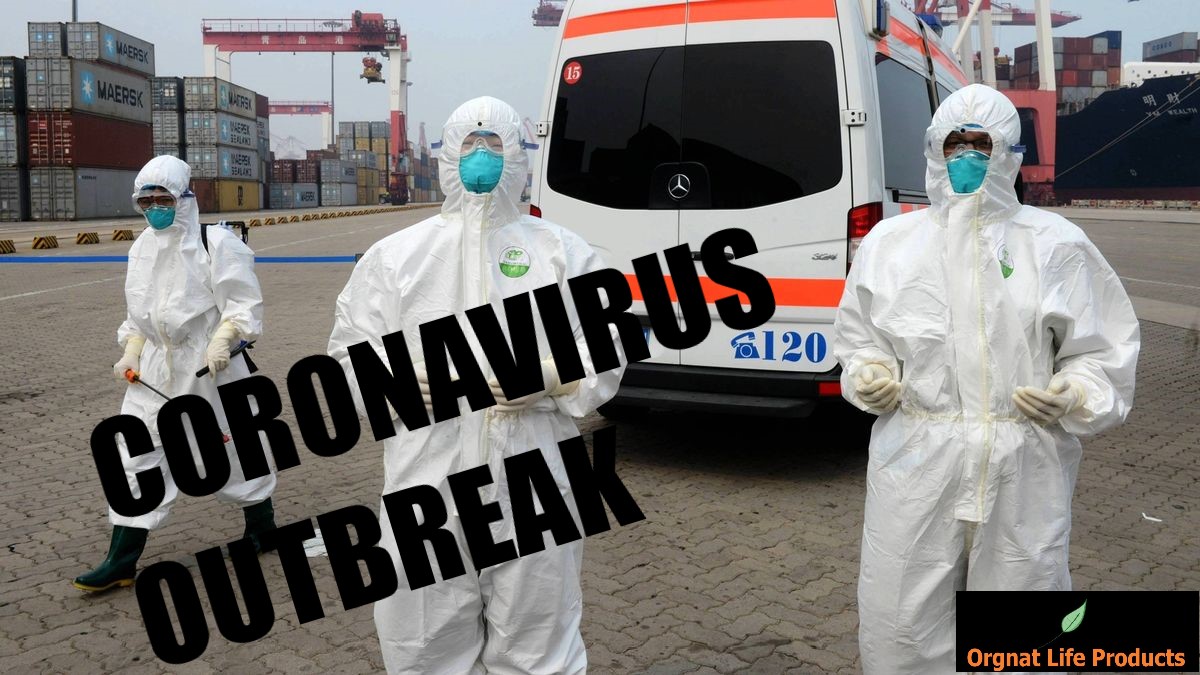
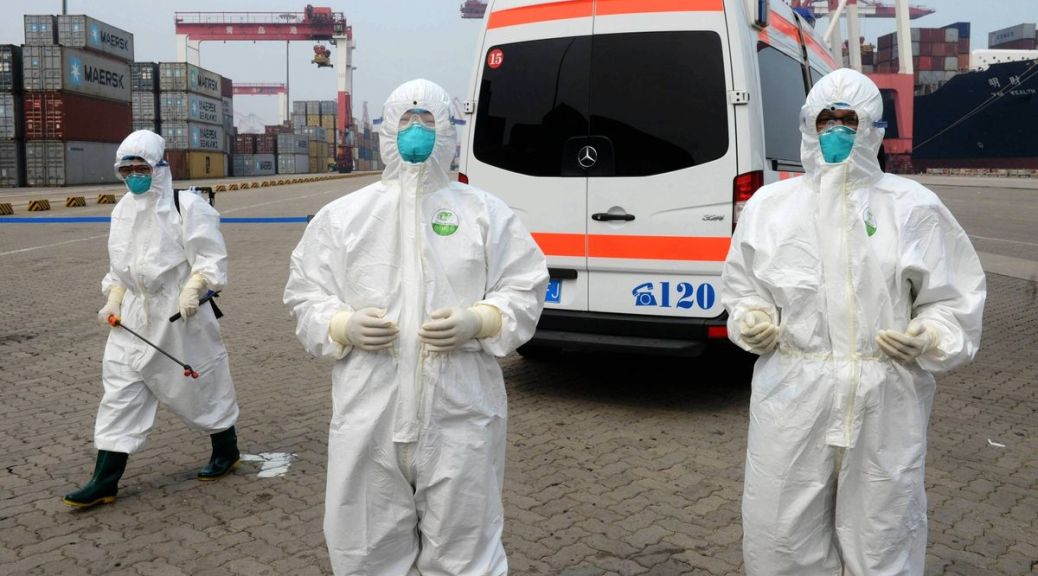
CORONAVIRUS: WHAT ARE THE DANGERS?


SOURCE: MAYO CLINIC

Español

Where Do Coronaviruses Come From

Coronaviruses are common in many different species of animals, including camels and bats. Rarely, these coronaviruses can evolve and infect humans and then spread between humans. Recent examples of this include SARS-CoV and MERS-CoV.

Most coronaviruses infect animals, but not people. In the future, one or more of these other coronaviruses could potentially evolve and spread to humans, as has happened in the past. We still don’t understand why only certain coronaviruses are able to infect people.

Common human coronaviruses

Common human coronaviruses, including types 229E, NL63, OC43, and HKU1, usually cause mild to moderate upper-respiratory tract illnesses, like the common cold. Most people get infected with these viruses at some point in their lives. These illnesses usually only last for a short amount of time. Symptoms may include

  • runny nose
  • headache
  • cough
  • sore throat
  • fever
  • a general feeling of being unwell

Human coronaviruses can sometimes cause lower-respiratory tract illnesses, such as pneumonia or bronchitis. This is more common in people with cardiopulmonary disease, people with weakened immune systems, infants, and older adults.

Transmission

Human coronaviruses most commonly spread from an infected person to others through

  • the air by coughing and sneezing
  • close personal contact, such as touching or shaking hands
  • touching an object or surface with the virus on it, then touching your mouth, nose, or eyes before washing your hands
  • rarely, fecal contamination

In the United States, people usually get infected with common human coronaviruses in the fall and winter. However, you can get infected at any time of the year. Most people will get infected with one or more of the common human coronaviruses in their lifetime. Young children are most likely to get infected. However, people can have multiple infections in their lifetime.

Other human coronaviruses

Most people confirmed to have MERS-CoV infection have had severe respiratory illness with symptoms of:

  • fever
  • cough
  • shortness of breath

Some people also had diarrhea and nausea/vomiting. For many people with MERS, more severe complications followed, such as pneumonia and kidney failure. About 3 or 4 out of every 10 people reported with MERS have died. Most of the people who died had a pre-existing medical condition that weakened their immune system, or an underlying medical condition that hadn’t yet been discovered. Medical conditions sometimes weaken people’s immune systems and make them more likely to get sick or have severe illness.

Pre-existing conditions among people who got MERS have included

  • diabetes
  • cancer
  • chronic lung disease
  • chronic heart disease
  • chronic kidney disease

Some infected people had mild symptoms (such as cold-like symptoms) or no symptoms at all.

The symptoms of MERS start to appear about 5 or 6 days after a person is exposed, but can range from 2 to 14 days.

The coronavirus that originated in Wuhan, China, raised global concerns but, after a two day meeting, the World Health Organization has issued a statement saying the situation is not yet an emergency of international concern.

Meanwhile, the Centers for Disease Control and Prevention is monitoring the situation and will provide updated information as it becomes available.
In addition, Mayo Clinic continues to closely monitor the coronavirus outbreak and says staff is trained and prepared to care for patients, should the need arise.
Dr. Pritish Tosh, a Mayo Clinic infectious diseases specialist, says health care providers need to ask patients with respiratory illness and fever about their recent travel.
“It’s important we focus on patients with fever and respiratory symptoms, not just for the novel coronavirus, but also for other respiratory viruses that are circulating, such as influenza,” says Dr. Tosh. “Once these patients are identified, they should be given a mask to wear and put into a room where a health care provider can ask them about recent travel.”
Dr. Tosh adds, “They may have been to a part of the Middle East where there is ongoing MERS (Middle East respiratory syndrome) infections. They may also have been in Wuhan, China, or been close to someone who has been there.”
The coronavirus is in the same family of viruses as SARS (severe acute respiratory syndrome) and MERS.

DONATE YOUR DENTURES TODAY…


dentures

Are you getting new dentures and don’t know what to do with your old ones?

Donate your old dentures

https://disposalknowhow.com/dentures/

Usually you replace your dentures every 3 to 5 years. If you don’t donate them at your dentist office they are probably laying around collecting dust at your house. Put them to good use.

The Japan Denture Recycling Association, is a nonprofit organization since December 2006. JDRA recycles the metal from used dentures and donates the money to UNICEF to support underprivileged children in the world.

All you have to do is sanitize the dentures. You can do so by boiling some water and placing the dentures in a glass bowl and pour water over the dentures. Let the dentures soak until water is cool. Remove dentures, dry off, wrap in plastic wrap and place in envelope or small box and mail them off.

MAIL TO:

  • Japan Dentures Recycling Association
  • 350-8799 Kawagoe Post Office Stop
  • Japan

There are several worthy causes to donate to for dental repair. Thank you for taking the time to read. Please share the story with others so we can spread the word.

https://disposalknowhow.com/dentures/

KETO DIET… Not all Hype


Keto Diet

The ketogenic diet is all about eating the right foods in the right proportions. When you get it right, it’ll trigger your body to start burning stored fat.

Is it a Diet or is it a Lifestyle change? That’s the question… Are you seeking to medically repair an illness or weight loss permantely.

In the 1920’s it was medically introduced to treat epilepsy in children. Today it helps diabetics regulate their blood sugar levels. It’s also being introduced to cancer patients for weight control.

Yes, you can use it as a diet method and loose the weight you need and go back to the same old lifestyle. But, by returning to sugar and yeast you are creating a YO-YO diet lifestyle. It’s better to try and balance a nutrious diet.

What foods can you eat?

Ewoldt says:

  • nuts
  • seeds
  • full-fat cheese and other dairy products
  • plain Greek yogurt
  • non-starchy and fibrous vegetables
  • oils
  • along with smaller amounts of meats, eggs and fish, become keto diet mainstays.


You’ll need to sharply limit carbohydrates

  • bread and baked goods
  • sweets
  • pasta
  • breakfast cereals
  • starchy vegetables like potatoes, sweet potatoes
  • corn and peas
  • beans
  • fruit
  • beer

Does it really work for weight loss?

Yes — but that answer comes with a qualifier. It takes two to three weeks on the diet to start fat burning (ketosis) in the body. So, don’t expect instant results. Some studies have shown that adhering to low- or very-low-carbohydrate ketogenic diets helps people lose weight. However, long term there is little difference between a ketogenic diet and a higher carbohydrate diet.

Ketogenic diet for Epilepsy

The ketogenic diet is a high-fat, adequate-protein, low-carbohydrate diet that in medicine is used primarily to treat difficult-to-control epilepsy in children and now for adults.

The diet forces the body to burn fats rather than carbohydrates. Normally, the carbohydrates contained in food are converted into glucose, which is then transported around the body and is particularly important in fueling brain function.

However, if little carbohydrate remains in the diet, the liver converts fat into fatty acids and ketone bodies. The ketone bodies pass into the brain and replace glucose as an energy source.

An elevated level of ketone bodies in the blood, a state known as ketosis, leads to a reduction in the frequency of epileptic seizures.

Around half of children and young people with epilepsy who have tried some form of this diet saw the number of seizures drop by at least half, and the effect persists even after discontinuing the diet.

Some evidence indicates that adults with epilepsy may benefit from the diet, and that a less strict regimen, such as a modified Atkins diet, is similarly effective.

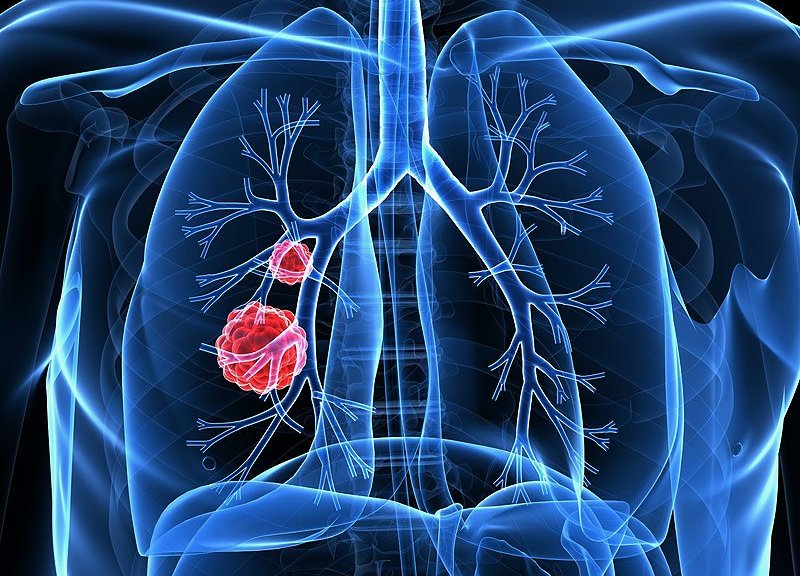
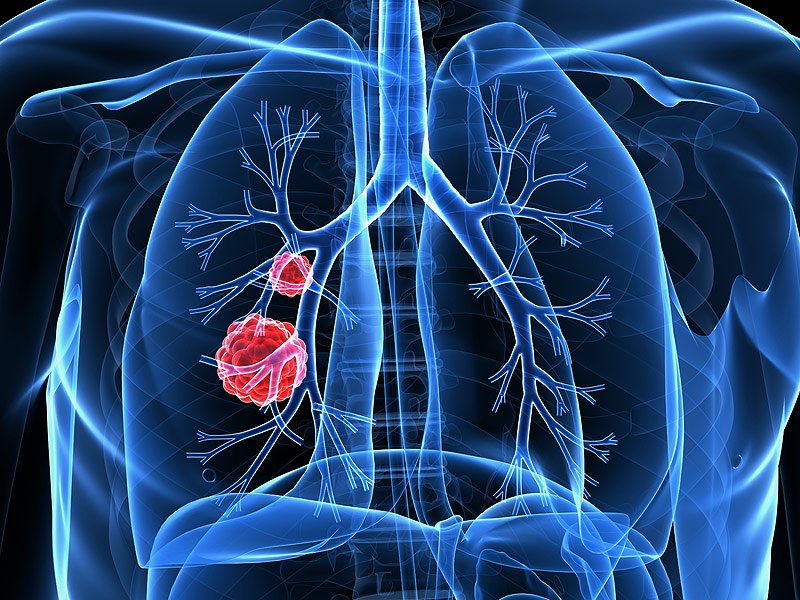
CANCER: LUNG


SOURCE: Mayo Clinic

Lung Cancer

Diagnosis

Testing healthy people for lung cancer

People with an increased risk of lung cancer may consider annual lung cancer screening using low-dose CT scans. Lung cancer screening is generally offered to people 55 and older who smoked heavily for many years and are otherwise healthy.

Discuss your lung cancer risk with your doctor. Together you can decide whether lung cancer screening is right for you.
Tests to diagnose lung cancer

If there’s reason to think that you may have lung cancer, your doctor can order a number of tests to look for cancerous cells and to rule out other conditions.

Tests may include:

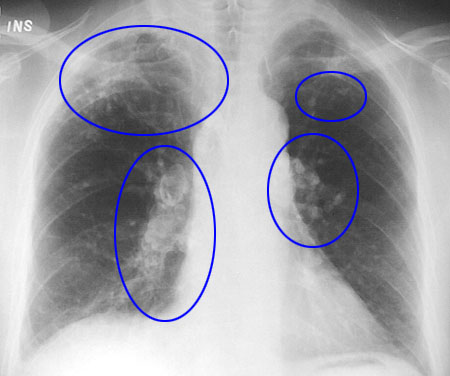
  • Imaging tests. An X-ray image of your lungs may reveal an abnormal mass or nodule. A CT scan can reveal small lesions in your lungs that might not be detected on an X-ray.
  • Sputum cytology. If you have a cough and are producing sputum, looking at the sputum under the microscope can sometimes reveal the presence of lung cancer cells.
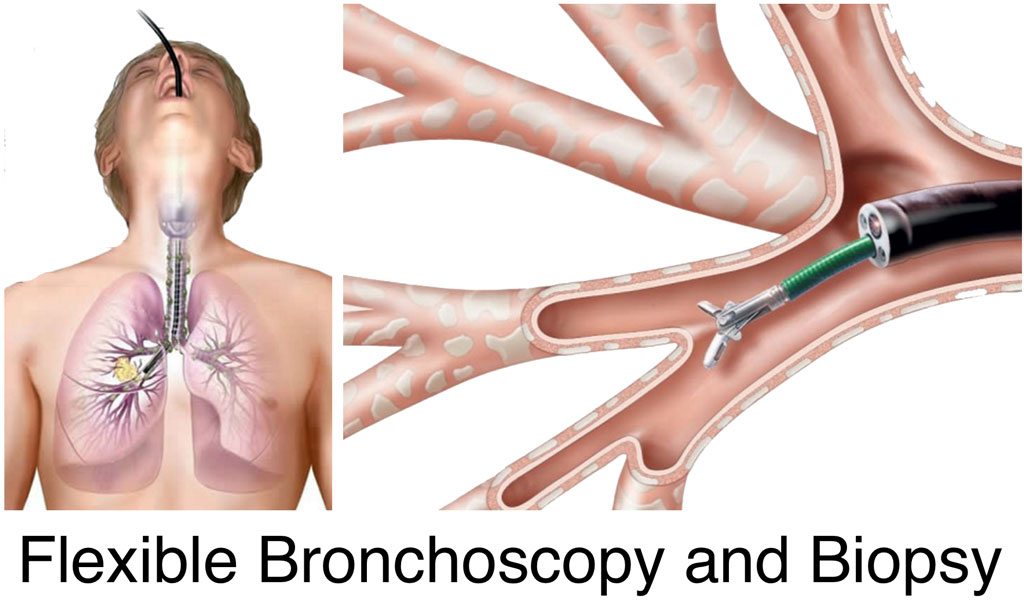
  • Tissue sample (biopsy). A sample of abnormal cells may be removed in a procedure called a biopsy. Your doctor can perform a biopsy in a number of ways, including bronchoscopy, in which your doctor examines abnormal areas of your lungs using a lighted tube that’s passed down your throat and into your lungs; mediastinoscopy, in which an incision is made at the base of your neck and surgical tools are inserted behind your breastbone to take tissue samples from lymph nodes; and needle biopsy, in which your doctor uses X-ray or CT images to guide a needle through your chest wall and into the lung tissue to collect suspicious cells. A biopsy sample may also be taken from lymph nodes or other areas where cancer has spread, such as your liver.

Careful analysis of your cancer cells in a lab will reveal what type of lung cancer you have. Results of sophisticated testing can tell your doctor the specific characteristics of your cells that can help determine your prognosis and guide your treatment.

Tests to determine the extent of the cancer

Once your lung cancer has been diagnosed, your doctor will work to determine the extent (stage) of your cancer. Your cancer’s stage helps you and your doctor decide what treatment is most appropriate.

Staging tests may include imaging procedures that allow your doctor to look for evidence that cancer has spread beyond your lungs. These tests include CT, MRI, positron emission tomography (PET) and bone scans. Not every test is appropriate for every person, so talk with your doctor about which procedures are right for you.

The stages of lung cancer are indicated by Roman numerals that range from 0 to IV, with the lowest stages indicating cancer that is limited to the lung. By stage IV, the cancer is considered advanced and has spread to other areas of the body.

More Information

Treatment

  • Lung cancer surgery

You and your doctor choose a cancer treatment plan based on a number of factors, such as your overall health, the type and stage of your cancer, and your preferences.

In some cases, you may choose not to undergo treatment. For instance, you may feel that the side effects of treatment will outweigh the potential benefits. When that’s the case, your doctor may suggest comfort care to treat only the symptoms the cancer is causing, such as pain or shortness of breath.

Surgery

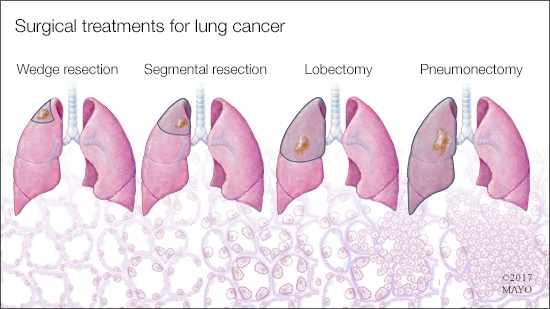
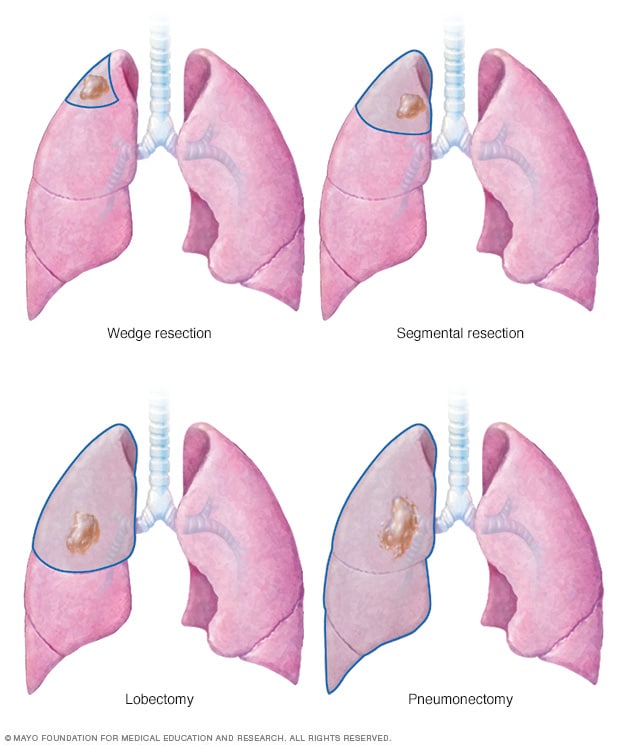
During surgery your surgeon works to remove the lung cancer and a margin of healthy tissue. Procedures to remove lung cancer include:

  • Wedge resection to remove a small section of lung that contains the tumor along with a margin of healthy tissue
  • Segmental resection to remove a larger portion of lung, but not an entire lobe
  • Lobectomy to remove the entire lobe of one lung
  • Pneumonectomy to remove an entire lung

If you undergo surgery, your surgeon may also remove lymph nodes from your chest in order to check them for signs of cancer.

Surgery may be an option if your cancer is confined to the lungs. If you have a larger lung cancer, your doctor may recommend chemotherapy or radiation therapy before surgery in order to shrink the cancer. If there’s a risk that cancer cells were left behind after surgery or that your cancer may recur, your doctor may recommend chemotherapy or radiation therapy after surgery.

Radiation therapy

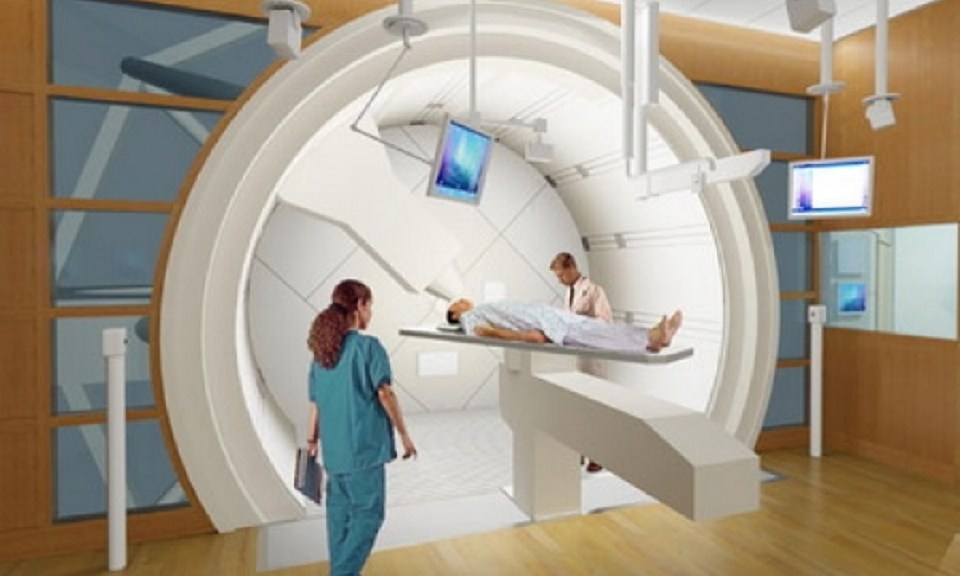
Radiation therapy uses high-powered energy beams from sources such as X-rays and protons to kill cancer cells. During radiation therapy, you lie on a table while a machine moves around you, directing radiation to precise points on your body.

For people with locally advanced lung cancer, radiation may be used before surgery or after surgery. It’s often combined with chemotherapy treatments. If surgery isn’t an option, combined chemotherapy and radiation therapy may be your primary treatment.

For advanced lung cancers and those that have spread to other areas of the body, radiation therapy may help relieve symptoms, such as pain.

Chemotherapy

Chemotherapy uses drugs to kill cancer cells. One or more chemotherapy drugs may be given through a vein in your arm (intravenously) or taken orally. A combination of drugs usually is given in a series of treatments over a period of weeks or months, with breaks in between so that you can recover.

Chemotherapy is often used after surgery to kill any cancer cells that may remain. It can be used alone or combined with radiation therapy. Chemotherapy may also be used before surgery to shrink cancers and make them easier to remove.

In people with advanced lung cancer, chemotherapy can be used to relieve pain and other symptoms.

Radiosurgery

Stereotactic body radiotherapy, also known as radiosurgery, is an intense radiation treatment that aims many beams of radiation from many angles at the cancer. Stereotactic body radiotherapy treatment is typically completed in one or a few treatments.

Radiosurgery may be an option for people with small lung cancers who can’t undergo surgery. It may also be used to treat lung cancer that spreads to other parts of the body, including the brain.

Targeted drug therapy

Targeted drug treatments focus on specific abnormalities present within cancer cells. By blocking these abnormalities, targeted drug treatments can cause cancer cells to die.

Many targeted therapy drugs are used to treat lung cancer, though most are reserved for people with advanced or recurrent cancer.

Some targeted therapies only work in people whose cancer cells have certain genetic mutations. Your cancer cells may be tested in a laboratory to see if these drugs might help you.

Immunotherapy

Immunotherapy uses your immune system to fight cancer. Your body’s disease-fighting immune system may not attack your cancer because the cancer cells produce proteins that blind the immune system cells. Immunotherapy works by interfering with that process.

Immunotherapy treatments are generally reserved for people with advanced lung cancer.

Palliative care

People with lung cancer often experience signs and symptoms of the cancer, as well as side effects of treatment. Supportive care, also known as palliative care, is a specialty area of medicine that involves working with a doctor to minimize your signs and symptoms.

Your doctor may recommend that you meet with a palliative care team soon after your diagnosis to ensure that you’re comfortable during and after your cancer treatment.

In one study, people with advanced non-small cell lung cancer who began receiving supportive care soon after their diagnosis lived longer than those who continued with treatments, such as chemotherapy and radiation. Those receiving supportive care reported improved mood and quality of life. They survived, on average, almost three months longer than did those receiving standard care.

CANCER: Proton Therapy


SOURCE: Mayo Clinic

What is proton Therapy

Proton therapy is a type of radiation therapy — a treatment that uses high-energy beams to treat tumors. Radiation therapy using X-rays has long been used to treat cancers and noncancerous (benign) tumors. Proton therapy is a newer type of radiation therapy that uses energy from positively charged particles called protons.

Proton therapy has shown promise in treating several kinds of cancer. Studies have suggested that proton therapy may cause fewer side effects than traditional radiation, since doctors can better control where the proton beams deposit their energy. But few studies have directly compared proton therapy radiation and X-ray radiation, so it’s not clear whether proton therapy is more effective in prolonging lives.

Proton therapy isn’t widely available in the United States.

This is the machine that delivers the treatment.

Why it’s done

Proton therapy is used as a treatment for cancer and some noncancerous tumors. Proton therapy may be used as the only treatment for your condition. Or it may be used in conjunction with other treatments, such as surgery and chemotherapy.

Proton therapy is sometimes used to treat:

  • Brain tumors
  • Breast cancer
  • Cancer in children
  • Eye melanoma
  • Esophageal cancer
  • Head and neck cancers
  • Liver cancer
  • Lung cancer
  • Pituitary gland tumors
  • Prostate cancer
  • Sarcoma
  • Tumors affecting the spine
  • Tumors in the base of the skull

Clinical trials are investigation proton therapy as a treatment for a number of other types of cancer.

Risks

Proton therapy can cause side effects as the cancer cells die or when the energy from the proton beam damages healthy tissue.

Because doctors can better control where proton therapy releases its highest concentration of energy, proton therapy is believed to affect less healthy tissue and have fewer side effects than traditional radiation therapy. Still, proton therapy does release some of its energy in healthy tissue.

What side effects you experience will depend on what part of your body is being treated and the dose of proton therapy you receive.

In general, common side effects of proton therapy include:

  • Fatigue
  • Mouth, eating and digestion problems
  • Headaches
  • Hair loss around the part of your body being treated
  • Skin redness around the part of your body being treated
  • Soreness around the part of your body being treated

How you prepare

Before you undergo proton therapy, your health care team guides you through a planning process to ensure that the proton beam reaches the precise spot in your body where it’s needed.

Planning typically includes:

  • Determining the best position for you during treatment. During radiation simulation, your radiation therapy team works to find a comfortable position for you during treatment. It’s imperative that you lie still during treatment, so finding a comfortable position is vital. To do this, you’ll be positioned on a table that will be used during your treatment. Cushions and restraints are used to place you in the correct position and to help you hold still. Your radiation therapy team will mark the area of your body that will receive the radiation. Depending on your situation, you may receive temporary marking with a marker or you may receive permanent tattoos.
  • Planning the path of the protons with imaging tests. Your radiation therapy team may have you undergo magnetic resonance imaging (MRI) or computerized tomography (CT) scans to determine the area of your body to be treated and how best to reach it with the proton beams.

Consider the cost

Proton therapy is a newer form of radiation therapy that may be more expensive than traditional radiation therapy with X-rays. Not all insurance policies cover proton therapy. When considering your treatment options, work with your health insurance provider to understand what costs are covered by insurance and which costs you’ll be expected to pay.

What you can expect

During proton therapy

You typically undergo proton therapy five days a week for several weeks. However, in some cases, you may undergo only one or only a few treatments, depending on your condition. The actual proton therapy treatment may take only a minute or so, but expect to spend 30 to 45 minutes preparing before each treatment session.

You may also undergo weekly CT verification scans to see if the dose you receive needs to be recalculated based on changes in weight, or tumor size and shape, depending on your situation.

To prepare, you’ll be positioned on a table. Cushions and restraints will be used to hold your body still. Then you’ll undergo an imaging test, such as an X-ray or CT scan, to make sure your body is in the same precise position before each treatment.

Your radiation therapy team will then leave the room and go to an area where they can monitor you. They can still see and hear you.

What you experience next depends on the type of proton therapy machine your treatment team uses:

  • A proton therapy machine that rotates around you. If you’re undergoing proton therapy with a machine called a gantry, you’ll be placed on a table that is slowly slid into the circular opening of the machine. The machine rotates around you to direct proton beams at precise points on your body.
  • A proton therapy machine that doesn’t move. If you’re undergoing proton therapy with a fixed-beam machine, the table you’re positioned on will move and the proton therapy machine will remain still. The movement of your table during treatment is controlled remotely by your radiation therapy team. How often your table moves during treatment depends on your situation.

You won’t be able to feel the radiation during your proton therapy treatment.

After proton therapy

Once your treatment session is complete, you can go about your day. You won’t be radioactive or give off radiation.

Side effects of radiation usually develop over time. You may experience few side effects at first. But after several treatments you may experience fatigue, which can make it feel like your usual activities take more energy or that you have little energy for everyday tasks. You may also notice a sunburn-like skin redness in the area where the proton beams are directed.

Results

Your doctor may recommend periodic imaging tests during and after your proton therapy to determine whether your cancer is responding to the treatments. How often you’ll undergo scans depends on your situation.

ASK YOUR DOCTOR WHAT YOUR OPTIONS ARE BEFORE YOU DECIDE ON A TREATMENT.

Cool Soothing Tea Tree Oil For Hemorrhoids


Ok wow what relief…

Let’s get the nitty gritty out of the way first.. What is this pain in my anus?

Hemorrhoids (HEM-uh-roids), also called piles, are swollen veins in your anus and lower rectum, similar to varicose veins. Hemorrhoids can develop inside the rectum (internal hemorrhoids) or under the skin around the anus (external hemorrhoids).

Nearly three out of four adults will have hemorrhoids from time to time. Hemorrhoids have a number of causes, but often the cause is unknown.

Symptoms

Signs and symptoms of hemorrhoids usually depend on the type of hemorrhoid.

External hemorrhoids

These are under the skin around your anus. Signs and symptoms might include:

  • Itching or irritation in your anal region
  • Pain or discomfort
  • Swelling around your anus
  • Bleeding

Internal hemorrhoids

Internal hemorrhoids lie inside the rectum. You usually can’t see or feel them, and they rarely cause discomfort. But straining or irritation when passing stool can cause:

  • Painless bleeding during bowel movements. You might notice small amounts of bright red blood on your toilet tissue or in the toilet.
  • A hemorrhoid to push through the anal opening (prolapsed or protruding hemorrhoid), resulting in pain and irritation.

Thrombosed hemorrhoids

If blood pools in an external hemorrhoid and forms a clot (thrombus), it can result in:

  • Severe pain
  • Swelling
  • Inflammation
  • A hard lump near your anus

When to see a doctor

If you have bleeding during bowel movements or you have hemorrhoids that don’t improve after a week of home care, talk to your doctor.

Don’t assume rectal bleeding is due to hemorrhoids, especially if you have changes in bowel habits or if your stools change in color or consistency. Rectal bleeding can occur with other diseases, including colorectal cancer and anal cancer.

Seek emergency care if you have large amounts of rectal bleeding, lightheadedness, dizziness or faintness.

OMG.. You just want to shout…

I had a heart attack a few months back and I have been on blood thinners for 4 months. My hair stopped growing and an extra special event of Hemorrhoids came along at 3 months and 2 weeks into the medication. At first I didn’t realize how bad they had gotten until I woke up and found it very painful to walk.

OMG… What pain… I tried Apple Cider Vinegar it was not enough. I did not have any Witch Hazel.

Fortunately, I had Melaleuca Tea Tree Oil T36-C5 in the cabinet. Because these Hemorrhoids were to much for the Apple Cider Vinegar to handle.

There are many effective options available to treat hemorrhoids. Many people get relief with home treatments. So never be afraid to keep some of these remedies in your medicine cabinet.

I first applied a weaken solution of 3 drops Tea Tree Oil and a splash of water on a cotton ball. Laid down and tucked that cottonball away between my checks and it stayed there for 2 hours. It relieved my pain with a cool soothing feeling compared to the burning sensation of the ACV. I did that for two days. They were going down but it was still very painful.

I decided to go to full strength on the 3rd day. I took a cotton swap and 2 drops. I made sure I coated the outside really well and I started trying to insert the tip into the inside. It was swollen I really could not get it to go in. Later that night I did it again. I noticed I was able to get the tip in a little. That over whelming feeling of a cool sensation was spreading up inside. That became a wonderful feeling.

The next morning I felt so much better and things were getting back to normal. So short story. Keep stuff available to heal yourself at home.

LADY KILLER… CLAIMS 1 WOMAN EVERY MINUTE


HEART DIEASE CLAIMS THE LIFE OF A WOMAN EVERY MINUTE.

  1. Uncomfortable pressure, squeezing, fullness or pain in the center of your chest. It lasts more than a few minutes, or goes away and comes back.
  2. Pain or discomfort in one or both arms, the back, neck, jaw or stomach.
  3. Shortness of breath with or without chest discomfort.
  4. Other signs such as breaking out in a cold sweat, nausea or lightheadedness.
  5. As with men, women’s most common heart attack symptom is chest pain or discomfort. But women are somewhat more likely than men to experience some of the other common symptoms, particularly shortness of breath, nausea/vomiting and back or jaw pain.

You may think you have indigestion, heartburn or discomfort in your chest. The doctor told me that it was just heart burn and prescribed antacids. I had 6 heart attacks in 4 days. I was taking apple cider vinegar thinking it was heartburn. I think it saved my life. I have a new doctor now!!!

Let’s Win This Together
Heart disease is the No. 1 killer of women. Support the innovative research, education and prevention services that protect the women we love.

FIND OUT MORE

DONATE TODAY… American Heart Association

SEE YOUR DOCTOR – GET CHECKED TODAY

CBD Vs. THC


CBD = Healing / Pain Relief NO HIGH

TCH = Gets you High.

So much to be discovered in the world of CBD treatments. As soon as we all get away from the stigma that has been placed on a wonderful plant that can help with so many illnesses in so many ways.

Other countries have been testing and experimenting with their patients and CBD for many years, since the early 1920’s. Some say the Egyptians treated illnesses with CBD Hemp Marijuana dates back 3000 years. During the early years of this planet they used herbs and plants native to their areas to use as medicine. This plant was placed on this earth for a reason. Every plant on this earth has a medicinal use of some sort. Some we can even use as poison to kill off bad cells in our bodies. Natural medicine is the answer for so many medical uses .

It was prohibition that caused the medical society to put CBD Hemp Tinctures on the back burner and call it “A MONSTER” that created people to act crazy. We all know that was Alcohol and is to this day and not CBD , Marijuana, Hemp, Grass, Pot and Etc nicknames.

Actually all products and Bi-Products of THC does not make the people go all crazy. Actually opposite of that. They are very mellow and avoid any type of aggressive behavior unlike what we see with alcohol.

Non-Psychoactive

CBD is non-psychoactive because it does not act on the same pathways as the Psychoactive counterparts. These pathways in the brain, called CB1 receptors, are responsible for the psychoactive effects. The .3% or less standard has been established by the FDA as a trace amount with no psychoactive impacts on the human brain.

Cannabidiol (CBD) is a naturally occurring cannabinoid constituent of cannabis. It was discovered in 1940 and initially thought not to be pharmaceutically active. It is one of at least 113 cannabinoids identified in hemp plants, accounting for up to 40% of the plant’s extract. As of 2018 in the United States, Food and Drug Administration approval of cannabidiol as a prescription drug called Epidiolex for medical uses has been limited to two rare forms of childhood epilepsy.

Cannabidiol can be taken into the body in multiple different ways, including by inhalation of cannabis smoke or vapor, as an aerosol spray into the cheek, and by mouth. It may be supplied as an oil containing only CBD as the active ingredient (no added THC or terpenes), a full-plant CBD-dominant hemp extract oil, capsules, dried cannabis, or as a prescription liquid solution.

Crystal Isolates is a high-end vapor liquid and oral drops infused with premium CBD rich hemp oil.

The research continues after several people have died from vaping THC and Vaping.

Side effects of CBD include sleepiness, decreased appetite, diarrhea, fatigue, malaise, weakness, sleeping problems, and others. It does not have intoxicating effects like those caused by THC, and may have an opposing effect on disordered thinking and anxiety produced by THC. CBD has been found to interact with a variety of different biological targets, including cannabinoid receptors and other neurotransmitter receptors. The mechanism of action of CBD in terms of its psychoactive and therapeutic effects is not fully clear.

Are you in need of some sleep? Edibles are a wonderful way to get your medicine dispensed so you can get a good nights rest. Many are available in todays market.

PLEASE RESEARCH YOUR PRODUCTS BEFORE YOU CONSUME ANY TYPE OF THC OR CBD OIL.

CDC reports that Vitamin E Acetate could be responsible for the deaths of 54 as of December 20, 2019…

CDC is confident that Vitamin E acetate is strongly linked to the EVALI outbreak. In a second report in the New England Journal of Medicine, CDC scientists found Vitamin E acetate in lung fluid washings, what we call bronchioloalveolar lavage samples in 48 of 51 samples of patients with EVALI but not in a variety of comparison patient groups. The patients with EVALI came from 16 different states, suggesting this was not a single local supplier of tainted products. These expanded patient clinical specimen results are consistent with previous work including identification by FDA and others of Vitamin E acetate in THC-containing products collected from patients with EVALI, as well as Minnesota’s recent report that Vitamin E acetate was in seized THC products from 2019 but not in any samples from 2018.

Given all of these findings, including today’s study, we can conclude that what I call the explosive outbreak of cases of EVALI can be attributed to exposure to THC-containing vaping products that also contained Vitamin E acetate. I want to stress that this does not mean that there are not other substances in e-cigarette or vaping products that have or are capable of causing lung injury. We know that a persistent small proportion of EVALI cases do not report use of THC-containing vaping products.

Key Facts about Use of E-Cigarette, or Vaping, Products


Key Facts about Use of E-Cigarette, or Vaping, Products

  • Electronic cigarettes—or e-cigarettes—are also called vapes, e-hookahs, vape pens, tank systems, mods, and electronic nicotine delivery systems (ENDS).
  • Using an e-cigarette is commonly called vaping.
  • E-cigarettes work by heating a liquid to produce an aerosol that users inhale into their lungs.
  • The liquid can contain: nicotine, tetrahydrocannabinol (THC) and cannabinoid (CBD) oils, and other substances, flavorings, and additives. THC is the psychoactive mind-altering compound of marijuana that produces the “high.”

Some of these products contain antifreeze / engine coolant. These products are harmful and can cause death if used improperly. Prolonged exposure or high concentrations of vapor or mist may cause mild irritation of the respiratory respiratory and headache, dizziness, nausea, vomiting, drowsiness, disturbances of the central nervous system, involuntary eye irritation. If swallowed may cause death if not given emergency services.

WOMEN AND HOLIDAY STRESS…TIRED, CHEST PAIN, LEG PAIN, HEART ATTACK


IT’S THE HOLIDAY SEASON AND HERE COMES ALL THE STRESS!!!

ARE YOU DREAMING OF DANCING LOLLIPOPS AND WALTZING WITH GINGERBREAD MEN?

I highly doubt you are feeling all warm and dreamy about Christmas at this point. D-Day is tomorrow and you are behind on getting all the goodies under the tree. Baking cookies and treats for your spectacular day to celebrate with family and friends.

It’s time to take a minute to check on yourself… Litterly sit yourself down and take a 5 minute break. If you are feeling tired or even exhausted to the point where you don’t feel well.

Don’t wait to get help if you experience any of these heart attack warning signs. Some heart attacks are sudden and intense. But most start slowly, with mild pain or discomfort. Pay attention to your body and call 911 if you experience:

DONT HESITATE CALL 911

Symptoms vary between men and women

As with men, women’s most common heart attack symptom is chest pain (angina) or discomfort. But women are somewhat more likely than men to experience some of the other common symptoms, particularly shortness of breath, nausea/vomiting, and back or jaw pain.

Learn about the warning signs of heart attack in women.

  1. Uncomfortable pressure, squeezing, fullness or pain in the center of your chest. It lasts more than a few minutes, or goes away and comes back.
  2. Pain or discomfort in one or both arms, the back, neck, jaw or stomach.
  3. Shortness of breath with or without chest discomfort.
  4. Other signs such as breaking out in a cold sweat, nausea or lightheadedness.
  5. As with men, women’s most common heart attack symptom is chest pain or discomfort. But women are somewhat more likely than men to experience some of the other common symptoms, particularly shortness of breath, nausea/vomiting and back or jaw pain.

Watch video: “Just A Little Heart Attack” – a short film directed by and starring Elizabeth Banks

This is just a few of the warning signs prior to a heart attack.

  • Leg pain night or day
  • Sudden Rise in Blood Pressure
  • Shortness of Breath

ideal blood pressure chart 70

Top 10 Myths About Cardiovascular Disease

American Heart Association… 10 MYTHS Of HEART DISEASE


Top 10 Myths About Cardiovascular Disease

  • “I’m too young to worry about heart disease.” How you live now affects your risk for cardiovascular diseases later in life. As early as childhood and adolescence, plaque can start accumulating in the arteries and later lead to clogged arteries. One in three Americans has cardiovascular disease, but not all of them are senior citizens. Even young and middle-aged people can develop heart problems – especially now that obesity, type 2 diabetes and other risk factors are becoming more common at a younger age.
  • “I’d know if I had high blood pressure because there would be warning signs.” High blood pressure is called the “silent killer” because you don’t usually know you have it. You may never experience symptoms, so don’t wait for your body to alert you that there’s a problem. The way to know if you have high blood pressure is to check your numbers with a simple blood pressure test. Early treatment of high blood pressure is critical because, if left untreated, it can cause heart attack, stroke, kidney damage and other serious health problems. Learn how high blood pressure is diagnosed.
  • “I’ll know when I’m having a heart attack because I’ll have chest pain.” Not necessarily. Although it’s common to have chest pain or discomfort, a heart attack may cause subtle symptoms. These include shortness of breath, nausea, feeling lightheaded, and pain or discomfort in one or both arms, the jaw, neck or back. Even if you’re not sure it’s a heart attack, call 911 immediately. Learn you risk of heart attack today!
  • “Diabetes won’t threaten my heart as long as I take my medication.” Treating diabetes can help reduce your risk for or delay the development of cardiovascular diseases. But even when blood sugar levels are under control, you’re still at increased risk for heart disease and stroke. That’s because the risk factors that contribute to diabetes onset also make you more likely to develop cardiovascular disease. These overlapping risk factors include high blood pressure, overweight and obesity, physical inactivity and smoking.
  • “Heart disease runs in my family, so there’s nothing I can do to prevent it.” Although people with a family history of heart disease are at higher risk, you can take steps to dramatically reduce your risk. Create an action plan to keep your heart healthy by tackling these to-dos: get active; control cholesterol; eat better; manage blood pressure; maintain a healthy weight; control blood sugar; and stop smoking.
  • “I don’t need to have my cholesterol checked until I’m middle-aged.” The American Heart Association recommends you start getting your cholesterol checked every 5 years starting at age 20. It’s a good idea to start having a cholesterol test even earlier if your family has a history of heart disease. Children in these families can have high cholesterol levels, putting them at increased risk for developing heart disease as adults. You can help yourself and your family by eating a healthy diet and exercising regularly.
  • “Heart failure means the heart stops beating.” The heart suddenly stops beating during cardiac arrest, not heart failure. With heart failure, the heart keeps working, but it doesn’t pump blood as well as it should. It can cause shortness of breath, swelling in the feet and ankles or persistent coughing and wheezing. During cardiac arrest, a person loses consciousness and stops normal breathing.
  • “This pain in my legs must be a sign of aging. I’m sure it has nothing to do with my heart.” Leg pain felt in the muscles could be a sign of a condition called peripheral artery disease. PAD results from blocked arteries in the legs caused by plaque buildup. The risk for heart attack or stroke increases for people with PAD.
  • “My heart is beating really fast. I must be having a heart attack.” Some variation in your heart rate is normal. Your heart rate speeds up during exercise or when you get excited, and slows down when you’re sleeping. Most of the time, a change in your heartbeat is nothing to worry about. But sometimes, it can be a sign of arrhythmia, an abnormal or irregular heartbeat. Most arrhythmias are harmless, but some can last long enough to impact how well the heart works and require treatment.
  • “I should avoid exercise after having a heart attack.” No! As soon as possible, get moving with a plan approved for you! Research shows that heart attack survivors who are regularly physically active and make other heart-healthy changes live longer than those who don’t. People with chronic conditions typically find that moderate-intensity activity is safe and beneficial. The American Heart Association recommends at least two and a half hours of moderate intensity physical activity each week For Overall Cardiovascular Health. Find the help you need by joining a cardiac rehabilitation program, but first consult your healthcare provider for advice on developing a physical activity plan tailored to your needs.

DANGEROUS: Key Facts about Vitamin E Acetate


Español (Spanish)

Key Facts about Vitamin E Acetate

  • Vitamin E acetate is used as an additive, most notably as a thickening agent in THC-containing e-cigarette, or vaping, products.
  • Vitamin E is a vitamin found in many foods, including vegetable oils, cereals, meat, fruits, and vegetables. It is also available as a dietary supplement and in many cosmetic products, like skin creams.
  • Vitamin E acetate usually does not cause harm when ingested as a vitamin supplement or applied to the skin. However, previous research suggests that when vitamin E acetate is inhaled, it may interfere with normal lung functioning.
Any of these products pictured here may contain dangerous substances that can kill you!!!

Latest Outbreak Information From The CDC:

  • This complex investigation spans all states, involves over 2,500 patients, and a wide variety of brands and substances and e-cigarette, or vaping, products.
  • As of December 3, 2019, CDC is only reporting hospitalized EVALI cases and EVALI deaths regardless of hospitalization status. CDC has removed non-hospitalized cases from previously reported case counts. See Public Health Reporting for more information.
  • As of December 17, 2019, a total of 2,506 cases of hospitalized e-cigarette, or vaping, product use-associated lung injury (EVALI) have been reported to CDC from 50 states, the District of Columbia, and two U.S. territories (Puerto Rico and U.S. Virgin Islands).
  • Fifty-four deaths have been confirmed in 27 states and the District of Columbia (as of December 17, 2019): Alabama, California, Connecticut, Delaware, District of Columbia, Florida, Georgia, Illinois, Indiana, Kansas, Louisiana, Massachusetts, Michigan, Minnesota, Mississippi, Missouri, Montana, Nebraska, New Jersey, New York, Oregon, Pennsylvania, Rhode Island, South Carolina, Tennessee, Texas, Utah, and Virginia
  • The median age of deceased patients was 52 years and ranged from 17 through 75 years (as of December 17, 2019).
  • More deaths are currently under investigation.
  • Data suggest the outbreak peaked in September 2019. However, states continue to report new cases, including deaths, to CDC on a weekly basis.
  • Among cases of hospitalized EVALI patients reported to CDC with available data (as of December 3, 2019): 67% were male (among 2,155 patients with data on sex)
  • 78% were under 35 years old, with a median age of 24 years and age range from 13 to 77 years (among 2,159 patients with data on age)
  • By age group category: 16% of patients were under 18 years old;
  • 38% of patients were 18 to 24 years old;
  • 24% of patients were 25 to 34 years old; and
  • 23% of patients were 35 years or older.
  • 1,782 hospitalized patients had complete information* on substances used in e-cigarette, or vaping, products in the 3 months prior to symptom onset, of whom (as of December 3, 2019): 80% reported using THC-containing products; 35% reported exclusive use of THC-containing products.
  • 54% reported using nicotine-containing products; 13% reported exclusive use of nicotine-containing products.
  • 12% reported using cannabidiol (CBD)-containing products; 1% reported exclusive use of cannabidiol (CBD)-containing products.
  • 40% reported both THC- and nicotine-containing product use.
  • 5% reported no THC-, nicotine-, or CBD-containing product use.
  • Among hospitalized EVALI patients who reported using THC-containing e-cigarette, or vaping product brands: The most commonly reported product brand included Dank vapes (56%), followed by TKO (15%), Smart Cart (13%), and Rove (12%). However, regional differences in THC-containing product use were noted.

CDC: WHAT WE KNOW ABOUT LUNG INJURY FROM VAPING OR E CIGARETTE?


CDC Laboratory Findings Reported November 8, 2019:

  • Analyses of bronchoalveolar lavage (BAL) fluid samples (fluid samples collected from the lungs) of patients with e-cigarette, or vaping, product use-associated lung injury (EVALI) identified vitamin E acetate, an additive in some THC-containing e-cigarette, or vaping, products.
  • CDC laboratory test results of BAL fluid samples from 29 patients submitted to CDC from 10 states found vitamin E acetate in all of the samples.
    • THC was identified in 82% of the samples and nicotine was identified in 62% of the samples.
    • CDC tested for a range of other chemicals that might be found in e-cigarette, or vaping, products, including plant oils, petroleum distillates like mineral oil, MCT (medium chain triglyceride) oil, and terpenes (which are compounds found in or added to THC products). None of these chemicals of concern were detected in the BAL fluid samples tested.
    • This is the first time that we have detected a chemical of concern in biologic samples from patients with these lung injuries. These findings provide direct evidence of vitamin E acetate at the primary site of injury within the lungs.
    • These findings complement the ongoing work of FDAexternal icon and some state public health laboratories to characterize e-liquid exposures and inform the ongoing multistate outbreak.
Any of these products pictured here can kill you !!!

About the Outbreak:

  • CDC is only reporting hospitalized EVALI cases and EVALI deaths regardless of hospitalization status. CDC has removed nonhospitalized cases from previously reported case counts. See Public Health Reporting for more information.
  • As of December 17, 2019, a total of 2,506 hospitalized EVALI cases have been reported to CDC from all 50 states, the District of Columbia, and two U.S. territories (Puerto Rico and U.S. Virgin Islands).
    • Fifty-four deaths have been confirmed in 27 states and the District of Columbia (as of December 17, 2019).
  • Although the number of reported cases appears to be declining, states are still reporting new hospitalized EVALI cases to CDC on a weekly basis and should remain vigilant with EVALI case finding and reporting.

About Patient Exposure:

  • All EVALI patients have reported a history of using e-cigarette, or vaping, products.
    • Vitamin E acetate has been identified as a chemical of concern among people with e-cigarette, or vaping, product use-associated lung injury (EVALI).
    • THC is present in most of the samples tested by FDA to date, and most patients report a history of using THC-containing products.
    • The latest national and state findings suggest THC-containing e-cigarette, or vaping, products, particularly from informal sources like friends, family, or in-person or online dealers, are linked to most of the cases and play a major role in the outbreak.
  • CDC has analyzed national data on use of THC-containing product brands by EVALI patients.
    • Overall, 152 different THC-containing product brands were reported by EVALI patients.
    • Dank Vapes, a class of largely counterfeit THC-containing products of unknown origin, was the most commonly reported product brand used by patients nationwide, although there are regional differences. While Dank Vapes was most commonly reported in the Northeast and South, TKO and Smart Cart brands were more commonly reported by patients in the West and Rove was more common in the Midwest.
    • The data further support that EVALI is associated with THC-containing products and that it is not likely associated with a single THC-containing product brand.

What We Don’t Know

  • While it appears that vitamin E acetate is associated with EVALI, there are many different substances and product sources that are being investigated, and there may be more than one cause.

What CDC Recommends

  • CDC and FDA recommend that people should not use THC-containing e-cigarette, or vaping, products, particularly from informal sources like friends, family, or in-person or online sellers.
  • Vitamin E acetate should not be added to e-cigarette, or vaping, products. Additionally, people should not add any other substances not intended by the manufacturer to products, including products purchased through retail establishments.
  • While it appears that vitamin E acetate is associated with EVALI, there are many different substances and product sources that are being investigated, and there may be more than one cause. Therefore, the best way for people to ensure that they are not at risk while the investigation continues is to consider refraining from the use of all e-cigarette, or vaping, products.
  • Adults using e-cigarettes or vaping products as an alternative to cigarettes should not go back to smoking; they should weigh all available information and consider utilizing FDA-approved cessation medicationsexternal icon. They should contact their healthcare provider if they need help quitting tobacco products, including e-cigarettes.
  • Adults who continue to use an e-cigarette, or vaping, product should carefully monitor themselves for symptoms and see a healthcare provider immediately if they develop symptoms like those reported in this outbreak.

If you are an adult trying to quit smoking:

If you are concerned about your health after using an e-cigarette, or vaping, product, contact your healthcare provider, or local poison control center at 1-800-222-1222.

Adults with ongoing cannabis (marijuana) use that leads to significant impairment or distress should seek out evidence-based behavioral treatment.

For adults currently using marijuana/THC-containing e-cigarette, or vaping, products for medical use: We do not know if there are different health effects of using different forms of marijuana, such as smoking, vaping, and edibles, or whether transitioning from one form to another might reduce harm. Talk with your healthcare provider about other available treatment options for the conditions.

  • Regardless of the ongoing investigation:
    • E-cigarette, or vaping, products should never be used by youths, young adults, or women who are pregnant.
    • Adults who do not currently use tobacco products should not start using e-cigarette, or vaping, products. There is no safe tobacco product. All tobacco products, including e-cigarettes, carry a risk.
    • THC use has been associated with a wide range of health effects, particularly with prolonged frequent use. The best way to avoid potentially harmful effects is to not use THC-containing e-cigarette, or vaping, products. Persons engaging in ongoing cannabis (marijuana) use that leads to significant impairment or distress should seek evidence-based treatment by a healthcare provider.

Lung Injury Associated with the Use of E-Cigarette, or Vaping, Products: UPDATE


As of December 19, 2019 the CDC reports 2,506 reported cases.

Español (Spanish)

Latest Update From The CDC:

  • CDC has analyzed national data on use of THC-containing product brands by e-cigarette, or vaping, product use-associated lung injury (EVALI) patients. Overall, 152 different THC-containing product brands were reported by EVALI patients.
  • Dank Vapes, a class of largely counterfeit THC-containing products of unknown origin, was the most commonly reported product brand used by patients nationwide, although there are regional differences. While Dank Vapes was most commonly reported in the Northeast and South, TKO and Smart Cart brands were more commonly reported by patients in the West and Rove was more common in the Midwest.
  • The data further support that EVALI is associated with THC-containing products and that it is not likely associated with a single THC-containing product brand.
  • CDC and FDA recommend that people should not use THC-containing e-cigarette, or vaping, products, particularly from informal sources like friends, family, or in-person or online sellers.
  • Vitamin E acetate should not be added to e-cigarette, or vaping, products. Additionally, people should not add any other substances not intended by the manufacturer to products, including products purchased through retail establishments.
  • CDC, FDA, and state health authorities have made progress in identifying substances of concern in EVALI. However, there are many different substances and product sources that remain under investigation, and there may be more than one cause.
  • The latest national and state data from patient reports and product sample testing suggest THC-containing e-cigarette, or vaping, products, particularly from informal sources like friends, family, or in-person or online dealers, are linked to most of the cases and play a major role in the outbreak.
  • While it appears that vitamin E acetate is associated with EVALI, there are many different substances and product sources that are being investigated, and there may be more than one cause.
  • Therefore, the best way for people to ensure that they are not at risk while the investigation continues is to consider refraining from the use of all e-cigarette, or vaping, products.

Stop Vaping Today. You just may save your lungs!!!


Influenza Season Has Arrived…


Flu is caused by influenza virus of Class A, B and C. Flu spreads directly or indirectly from airborne droplets produced during sneezing or coughing.

Following are the symptoms of flu:

  • Fever
  • Malaise
  • Headache
  • Runny nose
  • Postnasal drip
  • Sneezing
  • Reduced sense of smell
  • Metallic taste in mouth
  • Chills
  • Cough
  • Body pain or muscle pain
  • Sore throat

Take Three Actions to Protect Against Flu

  1. Get Vaccinated
  2. Take preventive steps
  3. Get Treatment

Preventive Steps You Can Take NOW

  • Try to avoid close contact with sick people.
  • While sick, limit contact with others as much as possible to keep from infecting them.
  • If you are sick with flu-like illness, CDC recommends that you stay home for at least 24 hours after your fever is gone except to get medical care or for other necessities. (Your fever should be gone for 24 hours without the use of a fever-reducing medicine.)
  • Cover your nose and mouth with a tissue when you cough or sneeze. After using a tissue, throw it in the trash and wash your hands.
  • Wash your hands often with soap and water. If soap and water are not available, use an alcohol-based hand rub.
  • Avoid touching your eyes, nose and mouth. Germs spread this way.
  • Clean and disinfect surfaces and objects that may be contaminated with germs like flu.

Treatments

Most of the time flu goes away without treatment. Taking medication can help relieve symptoms. Bed rest will help in faster recovery. Medication

Self care

  • Drink plenty of fluids
  • Take complete rest
  • Eat healthy foods
  • Practice good hygiene

170.3 million doses of flu vaccine have been distributed.

Happy Holidays and Stay Healthy!!!

Protecting your Skin … Cleansing your pores…Fire… Smoke and Ash Fallout. What to Do.


BY: ORGNAT LIFE

MOST IMPORTANTLY: KEEP YOUR FACE, HANDS and EYES COVERED.

Always wash your hands and change clothes as soon as you get home.

Try and keep the contamination to one area.

If you are one of the few that come home to one of the burnt out neighborhoods make sure you exercise caution while out in the elements.

That means anytime you are outside make sure you follow these simple emergency instructions to cleansing your body.

  • You do not want to inhale any of the elements that is on fire or has been burnt out.
  • Respiratory infections and many other illness can be blamed on large burn out fires as these.
  • Think about how many toxic products that are in our homes. Make sure if moving one of these items you are prepared with emergency protection gear.
  • Refrigerator, microwaves, cars, carpet, wood flooring that has been treated and those are just a few things that every home may have.

Your home and residing in the neighborhood: Set up an area that you can seal off. If you have a separate hall way that you can close off with plastic or a separate entry, perhaps through the side garage door(not a big one)with door to house. Handy to change contaminated clothes.

Even though your area may not have flames crawling up your street or that you can actually see, remember embers and ash can float through the air. It will glide until it gets caught on a branch or something to cling onto.

Make sure you bath each night before you go to bed.

Open your pores with warm water and use a good scrubby or washcloth with loads of soap. Soap up really good. Use cold water after to wash the soap off and close your pores.

Keep all of your smoke clothes in a plastic bag in your sealed area until you wash them. You don’t want to spread the smell or contaminate any other area.

If you are in close vicinity of the devastated areas: Do Not run any fans or air conditioning that has a connetion to outdoors. Close all doors, windows and vents. Close blinds and curtains to keep sun out and temperatures down in the house.

Blood Pressure Chart: What Am I Reading???


If you are anything like me I didn’t know what my Blood Pressure Level should have been. I quickly learned after having a heart attack.

This blood pressure chart will help you as it did me.

This blood pressure chart can help you figure out if your blood pressure is at a healthy level or if you’ll need to take some steps to improve your numbers.

ideal blood pressure chart 70


Your total blood pressure reading is determined by measuring your systolic and diastolic blood pressures. Systolic blood pressure, the top number, measures the force your heart exerts on the walls of your arteries each time it beats. Diastolic blood pressure, the bottom number, measures the force your heart exerts on the walls of your arteries in between beats.

Blood pressure readings fall into four general categories, ranging from normal to stage 2 high blood pressure (hypertension). The level of your blood pressure determines what kind of treatment you may need. To get an accurate blood pressure measurement, your doctor should evaluate your readings based on the average of two or more blood pressure readings at three or more office visits.

Is Sparky Still Perky?


As the BIG BOOM for “natural dog foods” roll out of the factories, what are the true nutrional values? Not all are as healthy as they claim. Food dyes that are dangerous for humans are coloring your pets food. The regulations are very bleak for pet foods. There is no requirement that pet food products have pre-market approval by the FDA. https://www.fda.gov/animal-veterinary/animal-food-feeds/pet-food

As you can see from the recall list several have been recalled for various facts over the past year. Make sure you do a check once in awhile on your pets food. Or sign up for the FDA Recall Notice by email. https://www.fda.gov/animal-veterinary/safety-health/recalls-withdrawals

If you don’t know yet that you should be reading the labels on your dog food as well as your food, this is your wake up call. Did you know that awesome colored dog food that is apealing to you could be very dangerous to your pet. The dyes I have listed can have an adverse reactions on your dogs health.

Its not only the pretty colored kibble. Canned dog foods and treats are also included.

We all know that humans need to avoid Red #3 and that it has been linked to cancer. As a result of efforts begun in the 1970s, in 1990 the U.S. FDA had instituted a partial ban on erythrosine, citing research that high doses have been found to cause cancer in rats. A 1990 study concluded that “chronic erythrosine ingestion may promote thyroid tumor formation in rats via chronic stimulation of the thyroid. In June 2008, the Center for Science in the Public Interest (CSPI) petitioned the FDA for a complete ban on erythrosine in the United States, but the FDA has not taken any further action.

That is just one of the dangerous dyes for all your pets.

Check out these other dangerous dyes. We need to pay close attention to the labels.

Red #40: Allura Red AC is a red azo dye that goes by several names, including FD&C Red 40. The study found “a possible link between the consumption of these artificial colours and a sodium benzoate preservative and increased hyperactivity”.

Yellow #5 & #6: Tartrazine appears to cause the most allergic and intolerance reactions of all the azo dyes. It also has been known to cause food intolerances. Tartrazine has been used in 3D Printing as a biocompatible photoblocker for generating transparent hydrogels with complex inner structures.

I hope this information provides you with the power of knowledge on these dangerous food dyes in pet foods. Eliminate the colored food from your pets diet and go with the plain colored food.

Just remember… It’s up to us for the care and health of our family pets.

CANCER DOCTOR IS A FRAUD…


Dr. Farid Fata the $35 Million FRAUDULENT doctor practicing in Michigan was telling people they had cancer even when they didn’t. The worst part of the story is he was treating the patients that “DID NOT HAVE CANCER” with chemotherapy.

Dr. Farid Fata was a popular oncology doctor with his patients and the hospital. His sentence for his crimes is 45 years in prison.

He put his patients in harms way. They have lost hair and teeth. Some are or have had heart problems due to the medicine.

SIDE EFFECTS OF CHEMOTHERAPY:

  • Anemia
  • Appetite Loss
  • Bleeding and Bruising (Thrombocytopenia)
  • Bone and joint problems
  • Constipation
  • Delirium
  • Diarrhea
  • Diabetic
  • Early Menopause
  • Edema (Swelling)
  • Fatigue
  • Fertility Issues in Boys and Men
  • Fertility Issues in Girls and Women
  • Hair Loss (Alopecia)
  • Heart Issues
  • Infection and Neutropenia
  • Lung Issues
  • Lymphedema
  • Memory or Concentration Problems
  • Mouth and Throat Problems
  • Muscle Weakness
  • Nausea and Vomiting
  • Nerve Problems (Peripheral Neuropathy)
  • Pain
  • Secondary Cancers
  • Sexual Health Issues in Men
  • Sexual Health Issues in Women
  • Skin and Nail Changes
  • Sleep Problems
  • Urinary and Bladder Problems

Just think of the taxpayer dollars that came from Medicare and Medicaid programs. The insurance companies that were bilked out of millions by this man. This is one down and I hope we never hear of a Monster Like Mr. Farid Fata ever again.

Is a $9 million Bail bond high enough for the pain and great medical harm that these people have been subjected to.. I am thinking premeditated murder should be his charges and he should be behind bars. This man is a murderer and a flight risk.

The sound advise is that you always get a second opinion and compare notes.

If you suspect wrongdoing or Medicare fraud, report it. You can do that by clicking here.


I Know Who I Am NOT…


By Chad Rhodes

When was the last time you took a long look into that mirror? When was the last time you have done the “Me Check”? And if you did, did you ask yourself what have I been thinking???? Mental Check Up is worth a million my friend… If You assume you are “Un-Breakable”, your not. We sometimes forget that we are all humans.

Stop consuming your life and live it

Stop feeling sorry for yourself and start living

Stop Playing the victim and start living

We all need to keep up with these small things that could change our life rapidly into the dark side . Don’t keep that door closed on the “I can’t” corner. Open up and let it go so you can dump off the excess.

Don’t you wonder why we all think that we can not do something. That small hesitation, that we all have right before we are about to board a “Risk”. Our fears take over, even when we know we can.

Don’t be fooled it happens to everyone. You just need the correct tools to combat the negative fields that seem to pile up at times..

Listen to a great inspirational speech by Matthew McConaughey

We all have that moment when we can change it to reflect the positive. Just remember we can all find ourselves on the positive side when we let go of the excess. You might ask what is excess. That you must ask yourself. What makes you crazy, your fears, the negative influences. You’ll find it when you start to look for it. Then You Can Open That Door and Throw It Away.

If you’re suicidal, we recommend contacting the National Suicide Prevention Lifeline toll-free at 800-273-8255. Additional crisis and suicide hotlines are available in the category below, Crises and Suicide. Need help for domestic violence? Call toll-free: 800-799-7233 (SAFE).

#VacationHawaii

CBD.. ABC? Which is what and What is CBD?


Let the experts spell it all out for you

The benefits are so amazing

Organic and natural.

  • CBD is a natural constituent of hemp that has been shown to have positive health benefits, without causing psychoactive effects.
  • CBD-rich hemp provides a legal alternative to medical marijuana and allows the consumer to enjoy the benefits of CBD without the risk of getting high.
  • Since CBD has no psychoactive effect, it is an excellent option for people seeking the benefits of cannabis products without breaking federal law or risking impairment.
CBD Health Benefits:

CBD has been the subject of several health-related studies.

Here are the TOP 6.

  1. A 2015 study found that CBD may be neuprotective in adult and neonatal ischemia, brain trauma, Alzheimer’s disease, Parkinson’s disease, Huntington’s chorea, and amyotrophic lateral sclerosis (Lou Gehrig’s disease).
  2. A 2013 study found that in two groups of people who wished to quit smoking, those treated with CBD reduced the number of cigarettes smoked by approximately 40%.
  3. CBD was administered after onset of clinical symptoms, and in both models of arthritis the treatment effectively blocked progression of arthritis.
  4. A 2014 study found that CBD is a potent “universal” anti-acne agent which possesses the ability to reduce the occurrence of three primary types of acne.
  5. According to several scientific studies including Natural cannabinoids, such as CBD (cannabidiol), have been shown in research to have therapeutic possibilities in helping diabetes.
  6. Generalized Social Anxiety Disorder (SAD) is one of the most common anxiety conditions with impairment in social life. In a 2011 study, CBD was shown to reduce anxiety induced by simulated public speaking.

Don’t forget about your Pets. Amazing results.

Everyone and Every Living Animal Can Benefit

#VacationHawaii

ARE YOU SEXUALLY ACTIVE…


DID YOU KNOW THERE ARE 10 COMMON STD’s

HIV type 1 & type 2 antibody/antigen (4th gen), herpes type 1 & type 2, hepatitis A, hepatitis B & hepatitis C, chlamydia, gonorrhea and syphilis


If you are wondering what an STD is:

An STD is a sexually transmitted disease; an infection that is transmitted through oral, vaginal or anal sex, intravenous drug use or through nonsexual contact such as childbirth or breastfeeding. According to Centers for Disease Control and Prevention (CDC) estimates, there are 19 million reported STD cases each year in the United States. STDs are common and it is possible to be infected without being aware because many STDs do not display obvious signs or symptoms. STD testing once or twice every year is recommended. Regular STD testing is a great way to protect your sexual health as well as the health of your partner.

Why Should I get tested for STDs?

Everyone that is sexually active should be tested regularly. Take charge of your sexual health. Some STDs, like chlamydia and gonorrhea, may not display any symptoms at all, but are still just as contagious. Especially get tested if you experience any of these common STD symptoms: Genital sores, itching, unusual discharge from the penis or vagina, or a burning sensation during urination. Some people assume that they are tested for STDs when they have a Pap test or physical, but often this is not the case. There is no comprehensive test for all STDs because each test is specific to an infection. If you have STD symptoms, or have had unprotected sex, it is crucial that you and your partner get tested. By getting an STD test, you can officially put your mind at ease– After all, the most common STD symptoms is to have no symptoms at all.

How do I know if I have an STD?

You can have an STD and not know it due to a lack of symptoms. For instance, you can contract chlamydia or gonorrhea and not have the infection treated due to lack of bumps, rashes or itching. The “silent” nature of STDs helps explain why these infections are so widespread as so many individuals are simply unaware that they have one or more and they spread them unknowingly. Help put an end to the spread of STDs and help protect yourself by learning your status.

 Where can I get STD testing?

Contact your doctor or Health Department for testing.

Is oral sex safe sex?

Simply put, no. You are just as vulnerable to STDs from unprotected oral sex, whether you are the giver or the recipient, as you are with any other unprotected sexual activity. Oral sex may be comparatively less risky than vaginal or anal sex, but it is still advisable to use a latex or polyurethane condom, or dental dam in order to be safer. STDs can be transmitted through mouth sores and/or cuts, and some infections, such as herpes, can be spread via skin-to-skin contact. While condoms are not 100% effective in preventing all STDs, they greatly decrease the risk of transmitting an STD during oral sex.

How does your lab perform STD testing?

STD lab tests rely on either a small urine sample (for detecting chlamydia and/or gonorrhea) or a small blood sample (for detecting herpes, syphilis, hepatitis and/or HIV). You will be subjected to any uncomfortable physical exams and vaginal/penile swabbing is required.

Most sexually transmitted diseases do not show symptoms, making it possible to be infected with an STD and not know it. Did you know that if you have one STD, you may have multiple STDs? You should have a 10 Test STD Panel that tests for all the most common bacterial and viral STDs—including HIV type 1 & type 2 antibody/antigen (4th gen), herpes type 1 & type 2, hepatitis A, hepatitis B & hepatitis C, chlamydia, gonorrhea and syphilis. Comprehensive testing gives you peace of mind. 

HIV RNA Early Detection test is the only FDA-approved test that detects the virus directly by screening for its RNA genetic material in your bloodstream, as such this HIV test is able to deliver conclusive results as soon as 9 to 11 days after potential HIV exposure.


GET TESTED TODAY

  • State Health testing centers Nationwide

Know Your Status. Get Tested.

Take charge of your sex life today. Help stop the spread of STDs by knowing your status.

Companion Planting In The Garden Makes “Good Neighbors”


Mr. Cucumber and Mrs.Tomatoes would make great Neighbors.


 On the other side of the fence from Mrs.Tomatoes is Miss.Potatoe. They really don’t play well together. But add a Mrs.Basil in with Mr. Cucumber and Mrs.Tomatoes, and this combination will sure to give you a bumper crop.They work as a 3 plant combo very well.

You want to make sure that your veggies are happy in their neighborhoods

Here is a chart to help you find the right “Good Neighbors”

Listed from A To Z


Companion Planting Chart Courteous of:

Here are combinations found to be beneficial over time

from Todd Weinmann of North Dakota State University Agriculture Extension:
Plant Plant Companions Plant Allies Plant Enemies
Asparagus Basil, parsley, tomato Pot marigold deters beetles.
Beans Beet (to bush beans only), cabbage family, carrot, celery, chard, corn, cucumber, eggplant, pea, potatoes, radish, strawberry. Marigold deters Mexican bean beetles. Nasturtium and rosemary deter bean beetles. Summer savory deters bean beetles, improves growth and flavor. Garlic, onion and shallot stunt the growth of beans.
Beets Bush beans, cabbage family, lettuce, onion. Garlic improves growth and flavor. Pole beans and beets stunt each other’s growth.
Carrots Bean, lettuce, onion, pea, pepper, radish, tomato. Chives improve growth and flavor. Rosemary and sage deter carrot fly. Dill retards growth.
Celery Bean, cabbage family and tomato. Chives and garlic deter aphids. Nasturtium deters bugs and aphids.
Chard Bean, cabbage family and onion
Corn Bean, cucumber, melon, parsley, pea, potato, pumpkin, squash. Odorless marigold and white geranium deter Japanese beetles. Pigweed raises nutrients from the subsoil to where the corn can reach them. Tomatoes and corn are attacked by the same worm.
Cucumber Bean, cabbage family, corn, pea, radish, tomato Marigold deters beetles. Nasturtium deters aphids, beetles and bugs, improves growth and flavor. Oregano deters pests in general. Tansy deters ants, beetles, bugs, flying insects. Sage is generally injurious to cucumber.
Eggplant Bean, pepper. Marigold deters nematodes.
Lettuce Beet, cabbage family, carrot, onion, radish, strawberry. Chives and garlic deter aphids.
Melons Corn, pumpkin, radish, squash. Marigold deters beetles. Nasturtium deters bugs and beetles. Oregano provides general pest protection.
Onions Beet, cabbage family, carrot, chard, lettuce, pepper, strawberry, tomato. Chamomile and summer savory improve growth and flavor. Pigweed raises nutrients from subsoil and makes them available to the onions. Sow thistle improves growth and health. Onions stunt bean, pea.
Parsley Asparagus, corn, tomato
Peas Bean, carrot, corn, cucumber, radish, turnip. Chives deter aphids. Mint improves health and flavor. Garlic and onion stunt the growth of peas.
Peppers Carrot, eggplant, onion and tomato
Potatoes Beans, cabbage family, corn, eggplant, pea. Horseradish, planted at the corners of the potato patch, provides general protection. Marigold deters beetles. Tomatoes and potatoes are attacked by the same blight.
Pumpkins Corn, melon, squash. Marigold deters beetles. Nasturtium deters bugs, beetles. Oregano provides general pest protection.
Radishes Bean, carrot, cucumber, lettuce, melon, pea. Chervil and nasturtium improve growth and flavor. Hyssop
Spinach Cabbage family, strawberry
Squash Corn, melon, pumpkin. Borage deters worms, improves growth and flavor. Marigold deters beetles. Nasturtium deters squash bugs and beetles. Oregano provides general pest protection.
Strawberry Bean, lettuce, onion, spinach, thyme. Cabbage. Borage strengthens resistance to insects and disease. Thyme, as a border, deters worms.
Tomatoes Asparagus, carrot, celery, cucumber, onion, parsley, pepper. Basil repels flies and mosquitoes, improves growth and flavor. Bee balm, chives and mint improve health and flavor. Borage deters tomato worm, improves growth and flavor. Dill, until mature, improves growth and health. Once mature, it stunts tomato growth. Marigold deters nematodes. Pot marigold deters tomato worm and general garden pests. Corn and tomato are attacked by the same worm. Mature dill retards tomato growth. Kohlrabi stunts tomato growth. Potatoes and tomatoes are attacked by the same blight.
Turnips Pea
Cabbage Family (Broccoli, Brussels Sprouts, Cabbage, Cauliflower, Chinese Cabbage, Kale, and Kohlrabi) Beet, celery, chard, cucumber, lettuce, onion, potato, spinach. Chamomile and garlic improve growth and flavor. Catnip, hyssop, rosemary and sage deter cabbage moth. Dill improves growth and health. Mint deters cabbage moth and ants, improves health and flavor. Nasturtium deters bugs, beetles, aphids. Southernwood deters cabbage moth, improves growth and flavor. Tansy deters cabbageworm and cutworm. Thyme deters cabbageworm. Kohlrabi and tomato stunt each other’s growth.


Companion Planting In The Garden Makes “Good Neighbors ”


AMERICA, CODE BLUE… Young Pregnant Women Down!


USA Reports: Cardiac Arrest In Younger Pregnant Women Is On The Rise

BY: Chad Rhodes

NYU – School Of Medicine has conducted a study for the past 12 years on Heart Disease in pregnant women. Between 2002 and 2014 Cardiac Arrest has been the leading cause of death for 25% of young pregnant women. Heart Disease has been the number one cause of death for women for many years, but for younger women this is a drastic change compared to earlier years.

The disease in young women has been increasing and raising great concerns not only for the mother, but for the health of the unborn child also.  The risk factors for heart disease continue to increase in the United States. “High blood pressure, high cholesterol, diabetes are all higher in our younger women. Stress is another factor in High Risk pregnancy.

Rise in obesity in society plays a big part. Between more junk food available and the convenience of the “Drive Thru food”. Adding yeast to many packaged food and many drinks also.

Don’t get me started on Soda. This is a heart Killer, Diet KILLER.

You could ask if the younger women are getting enough “Quality” exercise, food and fluid intake. We all know with our busy lives exercise is the last thing we want to do after work all day. Making a wholesome meal for the family is about all the energy you can muster up. You end up asking yourself, where do I fit the time in?

The family entrees from the frozen section become your main staples. The concentrated amounts of sodium and preservatives is off the charts. Not only are you adding all this to your body that is creating it’s own voyage of problems to your heart risk factors.

Exercise does not have to mean Hitting the Gym 3 times a week. You can walk, band workout and create a new healthy diet. Include fresh home cooked meals that are lean, ending bad calorie intake.

IMG_4241
Healthy Ingredients

Get the kids to help you in the kitchen with dinner. Bringing your kids up with healthy choices makes their lifestyle an asset to their healthy future. Kids are great for washing the vegetables and mixing things up relieves you from 30 minutes of stress and time.

Most parents can not spend hours away from the kids, house or work. My solution is to incorporate the kids activities with yours.

Weekends are a good place to start. Take the kids for a walk every morning, that gets all of you on the road to increased blood flow through your body. As we all know the heart needs lots of exercise and if you sit for 8 hours a day, you need this more than those who stand up for work.

The U.K. Side

BJOG: UK Reports, Nearly one in four cardiac arrests in pregnancy are associated with complications of obstetric anesthesia.

Nearly one in four cardiac arrests in pregnancy are associated with complications of obstetric anesthesia, according to a new study published today (Friday 24 February) in BJOG: An International Journal of Obstetrics and Gynecology (BJOG).

The aim of this study was to estimate the incidence of cardiac arrest in the UK obstetric population, describe how cardiac arrest in pregnancy is managed and report maternal and fetal outcomes. Using the UK Obstetric Surveillance System (UKOSS), researchers identified 66 women who had experienced a cardiac arrest in pregnancy among 2.3 million who gave birth between 2011 and 2014.

The three year study shows that maternal cardiac arrest in the UK is very rare (a 1 in 36,000 risk) and that maternal survival rates of 58% were possible due to timely resuscitation and rapid perimortem caesarean section (PMCS). In the 66 women involved in the study, cardiac output was restored in 48 and 49 women had a PMCS. The results also show that time from collapse to PMCS was significantly shorter in women who survived. 58 babies were delivered, 12 were stillborn.

Results found that the main association of collapse among antenatal women was obstetric anesthesia, given as an epidural, spinal or combined spinal-epidural. 16 (24%) of the women in the study had a cardiac arrest following obstetric anesthesia (all survived).

Meanwhile, 12 of the 16 women (75%) who had a cardiac arrest following obstetric anesthesia were obese (defined as having a Body Mass Index of 30kg/m2 or more). This supports the view that obese pregnant women are at a higher risk of complications of anesthesia, as the increased body fat makes procedures technically more difficult.

The study also shows that hypovolaemia (a decrease in blood volume), venous thromboembolism (a formation of blood clots in the vein) and amniotic fluid embolism (when amniotic fluid or other debris makes its way into the mother’s blood) are the main non-anaesthetic causes of cardiac arrest. As recommended in the most recent MBRRACE-UK report, there is a pressing need to improve systems focused on preventing and responding appropriately to these complications.”

In addition, of the 66 women who arrested in pregnancy, 27 had co-morbidities which may have contributed to maternal arrest. The most common problems reported were asthma, mental health problems, cardiac disease, hypertension, hematological, autoimmune and endocrine problems.

The researchers suggest a revision of multi-disciplinary training for healthcare professionals, and a revision of supervision and support on the labor ward.

Dr Virginia Beckett, lead author and consultant obstetrician and gynecologist at Bradford Teaching Hospitals NHS Foundation Trust, said:

“Our study shows that management of cardiac arrest in pregnancy in the UK, following the introduction of training such as the Managing Obstetric Emergencies and Trauma (MOET) course, has resulted in a 58% maternal survival rate. The main reasons for this appear to be the involvement of senior medical professionals and swift PMCS.

“American data shows that up to one third of women who arrest die with their baby still in utero. In the UK, we take a very different approach; in this study, PMCS was carried out in 49 (74%) of the 66 women involved (only two women remained undelivered when they should have had a PMCS). This is close to a five-fold improvement. Rapid PMCS saves women’s lives.

“However, our study shows that the single, biggest association of maternal cardiac arrest is a complication of anesthesia. Further research is needed into this finding which presents an opportunity to reduce the incidence of maternal cardiac in the UK.

Mr Edward Morris, Vice President for Clinical Quality at the Royal College of Obstetricians and Gynecologists (RCOG), said:

“This study demonstrates the importance of robust multi-disciplinary risk assessment processes in antenatal care, as well as team training to manage obstetric emergencies. It is also a great example of the value of collecting high quality data through UKOSS to improve outcomes for patients.

“Childbirth can be unpredictable and timely access to specialist care is critical; especially for those considered at higher risk due to per-existing health conditions. This data supports existing evidence that maternal cardiac arrest is becoming more common, and there may be opportunities to further improve survival rates through detailed analysis of this data.

“Obesity has reached pandemic proportions globally, with around one in five pregnant women in the UK considered obese. This increases their risk of miscarriage, stillbirth and neonatal death as well gestational diabetes, blood clots, per-eclampsia, more complicated labors, and severe bleeding after the birth. Although they survived, a high proportion of the women who had cardiac arrests following obstetric anesthesia were obese.

“Maintaining a normal body weight can reduce the risk of complications for both mother and baby. Women should keep active and eat well prior to conception and limit weight gain during pregnancy in order to improve their own health and provide their baby with the best start in life.”

Mr Michael Masch, Deputy Editor-in-chief of BJOG, added:

“Although about 60 percent of women survived, and most received timely resuscitation and perimortem caesarean section, this study highlights the necessity for regular multi-disciplinary training in specific arrest management. Further research into the links between anesthesia and cardiac arrest is also warranted.”

Ends

For media inquiries or copies of the study please contact the RCOG press office on 020 7772 6357 or email .

Notes to editors:

VA Beckett, M Knight, and P Sharpe. The CAPS Study: Incidence, management and outcomes of cardiac arrest in pregnancy in the UK: a prospective, descriptive study. BJOG 2017: DOI: 10.1111/1471-0528.14521

The article can be found here: http://onlinelibrary.wiley.com/doi/10.1111/1471-0528.14521/full

This study was funded by a grant from Wellbeing of Women.

BJOG: An International Journal of Obstetrics and Gynecology is owned by the Royal College of Obstetricians and Gynecologists (RCOG) but is editorially independent and published monthly by Wiley. The journal features original, peer-reviewed, high-quality medical research in all areas of obstetrics and gynecology worldwide. Please quote ‘BJOG’ or ‘BJOG: An International Journal of Obstetrics and Gynecology’ when referring to the journal. To keep up to date with our latest papers, follow @BJOGTweets.

The Royal College of Obstetricians and Gynecologists is a medical charity that champions the provision of high quality women’s healthcare in the UK and beyond. It is dedicated to encouraging the study and advancing the science and practice of obstetrics and gynecology. It does this through postgraduate medical education and training and the publication of clinical guidelines and reports on aspects of the specialty and service provision.

23 People Affected, 13 injured, 10 taken to hospital, 1 remains in critical condition with broken leg by Lava Bomb


Here we go again with FAKE NEWS, News that is not reported correctly..

The truth once again bent lies just not the truth…. You really need to watch and listen to learn more. Everyone wants in the lime light… They want to be a star.

I heard on the mainland news that 23 people were seriously injured. We know that NOT to be true. They took 10 to hospital and one person was hospitalized with broken leg. It’s amazing how the story grows just in minutes from Agency to agency.

Hang in there guys. Accidents happen. And if you are on a whale watch tour or lava tour you should sign a waiver.

SHAME ON YOU HAWAII DLNR. Report the correct information.

SHANE TURPIN LAVA TOUR BOAT – 23 People Affected, 13 injured, 10 taken to hospital, 1 remains in critical condition with broken leg by Lava Bomb from explosion.

Shit Happens, Accidents happen… Stay Classy Puna.. I support you, your community supports…. I will take the boat tour. SHIT HAPPENS

STOP SAYING THE WRONG TOUR BOAT OPERATORS… GET IT RIGHT BEFORE YOU RUIN A PERSONS BUSINESS OR SOMEONE PROVIDING FOR THEIR FAMILY…

Here is Ikaika Marzo Video… Listen and Learn the truth

July 2, 2018 Lava Flow Continues (USGS Video)


Wow Life goes on here on the Big Island of Hawaii.

Several lava fissures starting to re-open.

More Lava at the shoreline coming, maybe from old lava tubes.

Pele is headed a little North west from what we have heard last few days

Today we have loud thunder or explosions. Big Clouds over the East Rift Zone.

Healthy Affects of Walking.


Did you know that walking can help our bodies fight off the Common cold and Flu?

  • A Simple short brisk 5 minute walk after lunch can keep that bug away.
  • Walking every day for 5 or 10 minutes. If you have longer, even better. It keeps the circulation in your legs healthy. Healthy legs, Healthy Life.
  • Exercises your heart with lite cardio. No strenuous exercises.
  • Stanford researchers found that walking boosts creative inspiration. They examined creativity levels of people while they walked versus while they sat. A person’s creative output increased by an average of 60 percent when walking.

  • Walking improves cardiac risk factors such as cholesterol, blood pressure, diabetes, obesity, vascular stiffness and inflammation, and mental stress.
  • If cardiac protection and a lower death rate are not enough to get you moving, consider that walking and other moderate exercise programs also help protect against dementia, peripheral artery disease, obesity, diabetes, depression, colon cancer, and even erectile dysfunction.

ARE YOU READY… Living Healthy Pays off in The Long Run…..

Walking it off

Exercise burns calories. In the case of walking and running, the calories you burn depend much more on the distance you cover and your body weight than on your pace. This table shows calories burned per mile of walking or jogging on the level for people of varying weights:

A hundred or so calories a mile might not seem like much, but they can add up to better weight control. For example, a 2009 study of 4,995 men and women found that the average American gains about 2.2 pounds a year during middle age. But during the 15-year study, people who walked gained significantly less weight than those who didn’t; the more walking, the less weight gain. And the benefit was greatest in the heaviest individuals. For example, walking for just 35 minutes a day saved a 160-pound person about 18 pounds of flab over 15 years of aging.

Your weight

Approximate calories per mile

120 lbs 85
140 lbs 95
160 lbs 105
180 lbs 115
200 lbs 125
220 lbs 135
    • Regular daily walking has been found to trigger an anti-aging process and help repair old DNA
    • Those who engaged in daily moderate exercise, such as a brisk walk, experienced anti-aging benefits that could add an additional three to seven years to your life
    • Recommended 20-minute daily walk to reap these benefits, but try striving to walk 10,000 steps a day is a better goal
    • Walking is an essential movement that we all require, ideally in addition to a regular exercise program
    • Activities like running and working out can reduce anxiety and improve your mood. It’s not just vigorous exercise, however, that has these kinds of benefits. A new study published found that walking may be an effective way to alleviate depression.
    •  Endorphins are your body’s pain-inhibiting hormones, and exercise walking can spur their release. This means that walking not only helps you maintain your functional capabilities, but it can also reduce your chronic lower back pain.


Are We Losing Our Natural Vitamin Sources?

High Dose Vitamin C Therapy

Homemade Black Bean Veggie Burgers

PETS, VOLCANO AND YOU


A volcano eruption can put many animals at risk.

Nothing, No-one, nor any animal or wild life is exempt from the vapors and / or ashes. Who ever is in the path of the downfall will be severally burned and death is usually imminent.

Animals who inhale or ingest volcanic ash are at risk for fluoride poisoning. This could cause internal bleeding, long-term bone damage and teeth loss.

Cows, sheep, goats and horses should be rounded up and put in a closed barn, provided with hay and clean water until the ash dissipated.

Birds were also affected by the volcano. The ponds became heavy with mud and they were unable to fly because their wings were covered with ash.

Guidelines for pet owners concerning animal health after a volcano:

  • if you notice any symptoms or smell sulfur, rotten eggs or a strong acidic smell take reasonable action to protect your pets by limiting their time outdoors
  • any pets with respiratory problems should be well protected from the atmosphere
  • cover outdoor aviaries to protect birds
  • find suitable shelter for any pets that usually live outdoors.

“Pet owners should limit the amount of time that they and their animals spend outside if they detect the ash and consult a vet if they have any concerns about the health of their pets.”

Make sure that you bathe your pet often in Luke warm. Keep any wounds covered and dry. Change bandages everyday for any wounds.

Fine Glass textured ash can cut the lungs if inhaled. Keep all pets in doors or completely covered and out of the elements as well as possible.


I know that the ASPCA steps up during all Natural Disasters to rescue all animals. I have witnessed that first hand during a volcano eruption 15 miles from my home. They came and rescued trapped animals with trucks, trailers and by helicopter. Please help this organization that really does their job…

Please Help and Donate Today.

ASPCA NEEDS OUR HELP.. Please DONATE TODAY
ASPCA logo. (PRNewsfoto/ASPCA)

The Vog Measurement and Prediction Project – VMAP.. Healthy Weather???


The Vog Measurement and Prediction Project (VMAP) provides real-time vog forecasts. With the help of our project collaborators vog forecasts are available to the public through this web site. Comments and inquiries can be directed to the appropriate contact. We welcome constructive comments from all VMAP users, and strive to provide the best possible service consistent with our mission and resources. Inquiries into actual measured values and concerns regarding hazardous conditions should be directed to the appropriate agency such as the Hawaii State Department of Health. The VMAP website is intended to be complementary to the data provided by other state and federal agencies.

Vog is primarily a mixture of sulfur dioxide (SO2) gas and sulfate (SO4) aerosol. SO2 (invisible) reacts with oxygen and moisture in the air to produce SO4 aerosol (visible). SO2 is expected to be the main problem in areas near the vent (Hawai`i Volcanoes National Park, Pahala, Na`alehu, Hawaiian Ocean View Estates) and SO4 aerosol is expected to be the main problem at locations far from the vent (Kona and farther north and west). For more information on vog visit the FAQ page here.

Vog and Your Health

The links and material on this page are provided to summarize findings about the effects of vog on health.

Health Effects

How vog affects human health is the topic of active research. Children and those with pre-existing lung conditions are the most vulnerable to its effects. Some studies show that children and those with pre-existing respiratory problems are more likely to visit a medical clinic or emergency room during vog episodes. Although vog exposure has not been shown to cause childhood asthma, it has been shown to aggravate asthma in those already diagnosed with the condition.

When exposed to vog, some people report eye, nose, throat, and/or skin irritation, coughing and/or phlegm, chest tightness and/or shortness of breath, headache, and increased susceptibility to respiratory ailments. Some people also report fatigue and/or dizziness. One researcher also found vog is associated with high blood pressure. Another researcher found a link to anxiety. More detail on the health effects on vog can be found in the References section, or by visiting the International Volcanic Health Hazard Network.

Disclaimer: The information contained in the VMAP website is for general information purposes only. While we endeavor to keep the information accurate and up-to-date, we make no representations, warranties, or guarantees about the completeness, accuracy, reliability, suitability, or availability with respect to the VMAP website or the information, products, services, or related graphics contained on the VMAP website for any purpose. Although every effort is made to avoid interruptions to VMAP access, any reliance upon any information presented is strictly at your own risk. In no event will the University of Hawaii at Manoa, the UH-M Department of Atmospheric Sciences, the VMAP team, or any personnel or collaborator associated with VMAP be liable for any losses or damages (direct or indirect) without limitation whatsoever in connection with the use of the VMAP website. The general public is welcome to use the VMAP at this time and by its use implicitly agrees to the terms of this disclaimer.

CLICK HERE FOR VMAP


THE HEALTH HAZARDS OF VOLCANIC ASH (part 6 Precautions for Children)


THE HEALTH HAZARDS OF VOLCANIC ASH

A guide for the public

This   document   has   been   prepared   by   the International  Volcanic  Health  Hazard  Network (IVHHN), Cities and Volcanoes Commission, GNS Science and the United States Geological Survey (USGS)  to  promote  the  safety  of  those  who experience volcanic ashfall. This guide explains the potential health effects of volcanic ash and gives details on how to protect yourself and your family in the event of a volcanic ash fall.

Precautions for Children

Children face the same hazards from the suspension of ash as other age groups, but their exposure may be increased because
they are physically smaller and are less likely to adopt reasonable, prudent, preventive measures to avoid unnecessary
exposure to ash. While evidence suggests that ingestion of small amounts of ash is not hazardous, we recommend that you take
the following precautions.
  • Keep children indoors if possible.
  • Children should be advised against strenuous play or running when ash is in the air, since exertion leads to heavier breathing, drawing small particles more deeply into the lungs.
  • Communities in heavy ash fall areas may wish to organize day-care programs to free parents for clean-up tasks.
  • If children must be outdoors when ash is present in the air, they should wear a mask (preferably one approved by IVHHN). Many masks, however, are designed to fit adults rather than children.
  • Take particular care to prevent children playing in areas where ash is deep on the ground or piled up.
  • Long Pants, Long Sleeve Shirts, mask, goggles, Hats and gloves.

Reduce the exposure to ash:

The most effective way to reduce exposure, especially for people with particular susceptibilities (e.g., children and infants, older people and those with existing respiratory (lung) or cardiovascular (heart and blood vessels) disease) is to shelter somewhere which is not ashy, ideally inside a building where you can stay indoors for some time, if necessary. If you are very concerned about your health, take advice from a health professional.

Take steps to keep ash out of your indoor environment:

  • Close doors and windows, where possible.
  • If possible, seal up large gaps and spaces to the outdoors. For example, you could use tape and plastic sheeting, or rolled-up towels.
  • Try to set up a single entry/exit point for the building. Leave ashy clothes/shoes outside
  • Do not use any appliances (e.g., air conditioners) which suck in air from the outside. If the indoor environment is ashy, try to gently clean away the ash (e.g., using damp cloths)
  • Don’t use vacuum cleaners as they can blow out fine ash, back into the indoor space.

If you are staying indoors for a long time:

  • Make sure that the indoor environment does not get too hot. If it gets too hot, consider evacuating.
  • Don’t use cooking and heating stoves, or other appliances, which produce smoke.
  • Do not smoke cigarettes or other products.
  • Do not use un-fluted gas heaters, or outdoor appliances such as gas patio heaters or barbecues, indoors, due to risk of carbon monoxide poisoning.

Once the ash has settled, it important to remove it through clean-up activities, using water to dampen it first. You must wear a face mask if you are cleaning up settled ash.

When should I use respiratory protection?

If you cannot remove yourself from the ash, you may wish to use some sort of respiratory protection (e.g., face mask), or may be advised to do so by governmental or humanitarian agencies. Masks may be worn when:

1) you are outdoors and there is ash in the air (either during ash fall or afterwards, when it may be remobilized by wind, vehicles and human activities);

2) ash is being mobilized indoors or outdoors by activities such as removal/cleaning-up.

Masks can be worn during waking hours. It is not recommended to wear a face mask while sleeping as it will probably not stay fitted to the face, and it is harder to breathe with a face mask on.

Who can wear respiratory protection?

People with existing respiratory or cardiovascular disease should talk to a health professional about whether facemasks are suitable. Care should be taken to ensure that it is not harder to breathe when using any form of respiratory protection.

Masks are not usually designed to fit children’s faces (although some manufacturers are now producing small masks aimed at children but not infants). Exposure for children and infants should be reduced by staying in a non-ashy (indoor) environment wherever possible. If you do give a mask to a child, show the child how to fit it well, and be very careful it does not make breathing difficult.

What types of respiratory protection are most effective?

The following information will help you decide on which type of respiratory protection to use, but other factors, such as the cost and availability of the protective products, may also need to be taken into account.

When you wear respiratory protection, the effectiveness depends particularly on two factors:

1) how effective the mask or material is at filtering particles (stopping the ash from passing through the material);

2) the fit of the mask or material to the face (preventing particles from entering around the edges).

  • The most effective respiratory protection for adults is to wear a well-fitting, industry-certified face mask such as an N95 mask (also called P2, FFP2 or DS2 in different parts of the world). The certification will be printed on the mask. Such masks are usually disposable.
    • These are highly-efficient at filtering ash and are also usually designed to fit adult faces well, but may be too big for children.
    • Due to their tight fit, they may feel uncomfortable.
    • Using highly-effective masks can make breathing harder; if you have existing respiratory or cardiovascular disease, talk to a health professional about whether such masks are suitable for you.
    • These masks come in many different shapes and sizes. Some fold out into a mask shape and some have a ready-made cup-shape. Some have a valve on the front to improve comfort by letting hot, humid air out. All of these masks will be highly-effective at filtering ash, if worn properly.
  • Some non-certified face masks state that they are designed to filter ‘PM2.5’ (small particles less than 2.5 micrometres in diameter), which is likely to be the most harmful fraction of the ash.
    • These are probably highly-efficient at filtering ash but are often not designed to fit well to the face and so may not be very effective.
  • A standard, pleated surgical mask will be good at filtering ash as long as it fits well to the face. If it does not, it will provide less protection than an industry-certified face mask.
  • Simple healthcare masks (rectangular, non-pleated) do not filter ash well and also do not have ways to make a good seal to the face.
  • Hard-cup (also called nuisance-dust), ‘fashion’ and scooter masks are less effective at filtering ash compared to industry-certified and surgical masks, and may not fit well to the face.
  • Cloth materials (e.g., bandanas, t-shirts, veils, handkerchiefs) worn over the nose and mouth are less effective at filtering ash than most masks, so will offer less protection and they also tend not to fit well.
    • Increasing the number of layers of cloth improves the ability to filter ash but will still be less effective at filtering ash than most face masks.
  • Wetting materials does not improve the ability of masks or cloth to filter volcanic ash.

How should I put on a face mask?

  • With clean hands, take the mask out of the packaging. Avoid contaminating the inside of the mask with ash.
  • Open up any flaps and prepare the straps/loops for tying around the head or ears.
  • Fit the mask over the nose and mouth.
  • Fit the straps to the head:
    • If the mask has elasticated, adjustable straps, put them over your head with the top strap above your ears, around the top of your head, and the lower strap below your ears, towards the bottom of your head. Tighten the straps until the mask makes a seal around your face and is comfortable.
    • If the mask has non-adjustable straps, tie them snuggly around the head.
    • If the mask has ear loops, you may need to use the loops to tighten the mask (you could tie a knot in the loops if the mask is baggy on your face).
  • With both hands, gently press the nose clip over the nose so that it fits well across the nose and onto the face below the eyes. Do not pinch the clip.
  • Press the edges of the mask onto your face (around the cheeks and chin).
  • Once you have fitted the mask, cover the mask with both hands, being careful not to change the fit. If you are using a mask without a valve, breathe out sharply. If you are using a mask with a valve, cover the valve with your hand before breathing out, or breathe in sharply, instead. You should not be able to feel any air escaping/entering around the edges of the mask. Readjust the fit until the seal is tight.
  • If you cannot get the mask to fit, try to find a different mask which fits your face better.

Make sure your choice of respiratory protection fits to your face!

  • A good face mask may have a flexible metal nose clip, adjustable straps and may also have foam around the edges to help with the seal to your face.
  • When your face mask fits properly, there should be a good seal around your face so that you cannot feel any air coming in around the edges.
  • Make sure that spectacle/goggle frames do not affect the seal between the face mask and your face.
  • If you have facial hair, the face mask will not be as effective, because it cannot make a good seal to your face.
  • You can improve the fit and effectiveness of a face mask by tying a layer of cloth over it, although you are likely to find this less comfortable and you should not tie the cloth so tight that it makes breathing harder.

How long will a face mask last for?

  • Disposable masks are designed for single use (so packaging will often state that they should be disposed of after 8 hours) but they can be worn until you notice that they are clogged and/or breathing becomes harder, or if you notice the mask starting to break.
  • However, you may choose to replace them sooner for hygiene reasons and should check frequently for any degradation or growth of mold.
  • Some industrially-certified face masks have a ‘use-by’ date printed on them. After this date, the manufacturer cannot guarantee the integrity of the mask materials.
  • If supplies are limited, disposable masks can be stored for re-use in a clean bag or box to ensure that dust from the outside does not contaminate them. They should not be hung in a dusty environment.
  • Some manufacturers now make non-disposable masks for community use. These can often be washed, for hygiene reasons, but washing will not remove particles from the filtering layer, so they must also be discarded when they become clogged and/or breathing becomes harder, or if you notice the mask starting to break.For further information on the health hazards of volcanic ash and preparedness for ash fall, please download the IVHHN pamphlets available at: http://www.ivhhn.org/pamphlets.htmlThe above material is reproduced from the NEW IVHHN guidelines on Protection from Breathing Ash. Please visit that page for the source research and references.


THE HEALTH HAZARDS OF VOLCANIC ASH (part 2 EYES)


THE HEALTH HAZARDS OF VOLCANIC ASH

A guide for the public

This   document   has   been   prepared   by   the International  Volcanic  Health  Hazard  Network (IVHHN), Cities and Volcanoes Commission, GNS Science and the United States Geological Survey (USGS)  to  promote  the  safety  of  those  who experience volcanic ashfall. This guide explains the potential health effects of volcanic ash and gives details on how to protect yourself and your family in the event of a volcanic ash fall.

Eye Symptoms

Eye irritation is a common health effect as pieces of grit can cause painful scratches in the front of the eye (corneal
abrasions) and conjunctivitis. Contact lens wearers need to be especially aware of this problem and leave out their lenses to
prevent corneal abrasion from occurring.

Common symptoms include:

  • Eyes feeling as though there are foreign particles in
  • them.
  • Eyes becoming painful, itchy or bloodshot.
  • Sticky discharge or tear
  • Corneal abrasions or scratches.
  • Acute conjunctivitis or the inflammation of the conjunctival sac that surrounds the eyeball due to the presence of ash, which leads to redness, burning of the eyes, and photosensitivity.

Eye protection

In fine-ash environments, wear goggles or corrective eyeglasses instead of contact lenses to protect eyes from irritation.

EYE FIRST AID

To minimize potential eye irritation:

  • Wear sunglasses (wrap-around styles are best) or goggles. The best are swimmers goggles that fit tight around the eyes.
  • Stay indoors when pollution levels are at their peak
  • Flush eyes with cool water or eye wash
  • Apply a cool compress to relieve discomfort
  • Lubricating eye drops may help prevent soreness or itching
  • Contact lens wearers should remove their lenses at the first sign of eye irritation and thoroughly clean them in their medicated cleaning solution

If symptoms persist you should seek advice from your doctor or optometry.


THE HEALTH HAZARDS OF VOLCANIC ASH (part 3 SKIN)


THE HEALTH HAZARDS OF VOLCANIC ASH (part 1 LUNGS)


THE HEALTH HAZARDS OF VOLCANIC ASH

A guide for the public

This   document   has   been   prepared   by   the International  Volcanic  Health  Hazard  Network (IVHHN), Cities and Volcanoes Commission, GNS Science and the United States Geological Survey (USGS)  to  promote  the  safety  of  those  who experience volcanic ashfall. This guide explains the potential health effects of volcanic ash and gives details on how to protect yourself and your family in the event of a volcanic ash fall.

What is volcanic ash?

Volcanic ash is composed of fine particles of fragmented volcanic
rock (less than 2 mm diameter). Volcanic ash is often hot very
close to the volcano but is cool when it falls at greater distances.
It is formed during volcanic explosions, from avalanches of hot
rock that flow down the side of volcanoes, or from red-hot liquid
lava spray. Ash varies in appearance depending upon the type of
volcano and the form of the eruption. Thus, it can range in color
from light grey to black and can vary in size from being like grit
to being as fine as talcum powder. Airborne ash blocks out
sunlight, reducing visibility and sometimes causes complete
darkness during day light.
Large ash deposits can incorporate into existing soils and become the future topsoil of a volcanic region. The fertility of the soils around many volcanoes is due to old ash deposits. This beneficial effect of volcanism outweighs, over time, the hazards.
Eruptions can also generate thunder and lightning from
friction between the fine, airborne particles which can be
localized above the volcano or accompany large ash plumes as
they move downwind from infrequent eruptions, so
fertile volcanic areas are often densely populated.
Freshly fallen ash particles can have acid coatings which may
cause irritation to the lungs and eyes. This acid coating is rapidly
removed by rain, which may then pollute local water supplies.
Acidic ash can also damage vegetation, leading to crop failure.
In most eruptions, volcanic ash causes relatively few health problems, but generates much anxiety. People can be more
fearful of the health hazards of volcanic ash and gases than of the risk of dying from more major hazards, such as pyroclastic
flows. However, ash falls can affect very wide areas around volcanoes and may cause major disruption to normal living.
Medical services can expect an increase in the number of patients
with respiratory and eye symptoms during and after an
ashfall event (see IVHHN guidelines on advice to the medical community).

What are the effects of ash on health?

Effects of ash on health may be divided into several categories:

Respiratory effects, eye symptoms, skin irritation and indirect
effects.

Respiratory effects

In some eruptions, ash particles can be so fine that they are
breathed deep into the lungs. With high exposure, even healthy
individuals will experience chest discomfort with increased
coughing and irritation.
Common acute (short-term) symptoms include:
  • Nasal irritation and discharge (runny nose).
  • Throat irritation and sore throat, sometimes accompanied by dry coughing.
  • People with pre-existing chest complaints may develop severe bronchitic symptoms which last some days beyond
  • exposure to ash (for example, hacking cough, production of sputum, wheezing, or shortness of breath).
  • Airway irritation for people with asthma or bronchitis; common complaints of people with asthma include
  • shortness of breath, wheezing and coughing.
  • Breathing becomes uncomfortable.
In rare circumstances, long-term exposure to fine volcanic ash may lead to serious lung diseases. For these diseases to occur, the
ash must be very fine, contain crystalline silica (for the disease silicosis to occur) and the people must be exposed to the ash in
high concentrations over many years. Exposure to crystalline silica in volcanic ash is typically of short duration (days to weeks),
and studies suggest that the recommended exposure limits (similar in most countries) can be exceeded for short periods of
time for the general population.
People suffering from asthma or other lung problems such as bronchitis and emphysema, and severe heart problems are most at risk.


Why are people with chronic lung problems at special risk?

The fine ash particles irritate the airways and cause them to
contract, making breathing more difficult in people who already have
lung problems. The fine dust also causes the lining of the airways to
produce more secretions which can cause people to cough and breathe
more heavily. Asthma sufferers, especially children who may be
heavily exposed to the ash when they play, may suffer bouts of
coughing, tightness of the chest and wheezing. Some people who have never knowingly had asthma before, may experience asthma symptoms following an ash fall, especially if they go outdoors in the ash and over-exert themselves.

What factors affect respiratory symptoms?

The development of respiratory symptoms from the inhalation of volcanic ash depends on a number of factors. These include the
concentration of particles in the air, the proportion of fine particles in the ash, the frequency and duration of exposure, the
presence of crystalline silica and volcanic gases or aerosols mixed with the ash, and meteorological conditions. Existing
health conditions and the use of respiratory protective
equipment will also influence the symptoms experienced.

THE HEALTH HAZARDS OF VOLCANIC ASH (part 2 EYES)

THE HEALTH HAZARDS OF VOLCANIC ASH (part 4 Indirect health effects )


THE HEALTH HAZARDS OF VOLCANIC ASH

A guide for the public

This   document   has   been   prepared   by   the International  Volcanic  Health  Hazard  Network (IVHHN), Cities and Volcanoes Commission, GNS Science and the United States Geological Survey (USGS)  to  promote  the  safety  of  those  who experience volcanic ashfall. This guide explains the potential health effects of volcanic ash and gives details on how to protect yourself and your family in the event of a volcanic ash fall.

Indirect Effects of Ash Fall

As well as the short and long term health risks, indirect impacts of large ash falls must also be considered. These mainly arise from the secondary consequences of ash fall.

Effects on roads

The reduction in visibility from airborne ash alone may cause accidents. This danger is compounded by ash
covering roads. Not only are road markings covered up, but thin layers of either wet or dry ash are very
slippery, reducing traction. Thick deposits of ash may make roads impassable, cutting off communities from
basic supplies.

Effects on Power

Ash fall can lead to power cuts. These may have implications for health due to lack of heating
or other infrastructural requirements that depend on electricity. Wet ash is conductive, so it is essential
that safe operating procedures are stringently followed when cleaning power supply equipment.

Effects on water supplies

Ash fall can cause contamination of water or clogging and damage of water supply equipment. Small, open
water supplies such as domestic water tanks with roof drainage are especially vulnerable to volcanic ash fall,
and even small quantities of ash may cause problems for potability. While the risk of toxicity is low, the pH
may be reduced or chlorination inhibited. During and after ash falls, there is also likely to be extra water
demand for clean-up, resulting in water shortages.

Effects on sanitation

(waste water disposal etc).
The temporary disablement of municipal sanitation systems may lead to increased disease in affected areas.

Risk Of Roof Collapse

1) Roofs can collapse from the weight of ash, resulting in injury or death for those underneath.
2) There is a danger of roof collapse whilst clearing ash from roofs due to the increased load of a person on an already overloaded roof.
3) In several eruptions people have died after falling from their roofs while cleaning up ash.

Animal Health

If the ash is coated in hydrofluoric acid, the ash can be very toxic to grazing animals if they ingest ash-covered grass and soil.

THE HEALTH HAZARDS OF VOLCANIC ASH (part 3 SKIN)


THE HEALTH HAZARDS OF VOLCANIC ASH

A guide for the public

This   document   has   been   prepared   by   the International  Volcanic  Health  Hazard  Network (IVHHN), Cities and Volcanoes Commission, GNS Science and the United States Geological Survey (USGS)  to  promote  the  safety  of  those  who experience volcanic ashfall. This guide explains the potential health effects of volcanic ash and gives details on how to protect yourself and your family in the event of a volcanic ash fall.


Skin Irritation

While not common, volcanic ash can cause skin irritation for some people, especially if the ash is acidic.

Symptoms include:

  • Irritation and reddening of the skin.
  • Secondary infections due to scratching.

Protective Clothing should be worn when you are outdoors.

  • Long Sleeve Shirt
  • Long Pants
  • Socks and Shoes
  • Gloves
  • Hat

Depending on the type of volcano Kilauea is a basaltic shield volcano, erupting a type of basalt known as tholeiite. This type of lava is the dominant extrusive during the shield building (the main stage) of hawaiian volcanism and is the dominant basalt type erupted on Earth.

Pele’s hair is a form of lava. It is named after Pele, the Hawaiian goddess of volcanoes. It can be defined as volcanic glass fibers or thin strands of volcanic glass.[1] The strands are formed through the stretching of molten basaltic glass from lava, usually from lava fountains, lava cascades, and vigorous lava flows.

Pele’s hair is extremely light, so the wind often carries the fibers high into the air and to places several kilometers away from the vent. It is common to find fibers of Pele’s hair on high places like top of trees, radio antennas, and electric poles.

Pele’s hair does not only occur in Hawaii. It can be found near other volcanoes around the world, for example in Nicaragua (Masaya), Italy (Etna), Ethiopia (Erta’ Ale), and Iceland, where it is known as “nornahár” (“witches’ hair”).[2] It is usually found in gaps in the ground, mostly near vents, skylights, ocean entry, or in corners where Pele’s hair can accumulate.

It is not recommended to touch Pele’s hair, because it is very brittle and very sharp, and small broken pieces can enter the skin. Gloves should be worn while examining it.

For those of you who have sensitive skin you should avoid skin contact with volcanic ash as it will cause an allergic reaction or also called dermatitis , if the volcanic ash already on your skin you should wash your skin with soap and clean water .

Although skin irritation are not always experienced by all people , but if the volcanic ash was mixed with harmful substances you should be careful , because it could be such a dangerous substance that can irritate your skin .

Some of the symptoms that occur to the skin due to volcanic ash

  • The occurrence of red rash on the skin
  • Incidence of red spots on the skin
  • Experiencing skin hives

Some tips to prevent the bad effects of volcanic ash :

  • Use a mask or wet cloth to cover your nose
  • Use goggles to prevent your eyes from volcanic ash
  • You should not wear contact lenses for a while
  • Use eye drops or the like to clean up your eyes
  • Use long sleeves or long pants so that your skin does not come into direct contact with volcanic ash
  • To clean up volcanic ash should be sprayed with water so as not volcanic ash floating .
  • Use a damp cloth to clean the items exposed to dust
  • Wash your skin is exposed to volcanic ash with water and soap
  • When washing cloth or clothing that has been exposed to volcanic ash should be cleaned first before being mixed with other clothing .

THE HEALTH HAZARDS OF VOLCANIC ASH (part 4 Indirect health effects )

THE HEALTH HAZARDS OF VOLCANIC ASH (part 5 What to do to protect yourself against ash)


THE HEALTH HAZARDS OF VOLCANIC ASH

A guide for the public

This   document   has   been   prepared   by   the International  Volcanic  Health  Hazard  Network (IVHHN), Cities and Volcanoes Commission, GNS Science and the United States Geological Survey (USGS)  to  promote  the  safety  of  those  who experience volcanic ashfall. This guide explains the potential health effects of volcanic ash and gives details on how to protect yourself and your family in the event of a volcanic ash fall.

What to do to Protect Yourself Against Ash

Limit Driving

Immediately after an ash fall, even a light one, driving conditions, visibility and air quality can be dramatically
affected, especially by the resuspension of ash by traffic.
Rainfall has a sudden but temporary effect in improving air quality until the ash dries out again. We recommend that, following an ash fall, you refrain from driving and stay indoors if possible. If you must drive, maintain a large distance from the vehicle in front of
you and drive slowly.

Reduce ash in your house

Keep all doors and windows closed whenever possible.

Eye protection

In fine-ash environments, wear goggles or corrective eyeglasses instead of contact lenses to protect eyes from irritation.

Protection

Those undertaking clean-up operations should always wear effective dust masks (see IVHHN Recommended
Masks document at http://www.ivhhn.org). If no approved mask is available, a fabric mask improvised from cloth
will filter out the larger ash particles which may contribute to throat and eye irritation. Dampening
the fabric with water will improve its effectiveness. People with chronic bronchitis, emphysema or asthma
are advised to stay inside and avoid unnecessary exposure to ash.

Drinking Water

After light ash fall it is usually safe to drink water contaminated with ash, but it is better to filter off the
ash particles before drinking. However, ash increases the chlorine requirement in disinfected surface-collected
water which, therefore, can be microbiologically unsafe to drink. Ash will usually make drinking water
unpalatable (sour, metallic or bitter-tasting) before it presents a health risk. The safest way to ensure your well-being is to stock up on water prior to the event. Collect enough drinking water for at least a week (up to one gallon , or 3-4 litres, per person per day). If you rely on collecting rainwater, cover the tank and disconnect any down pipes before ash fall occurs.

Home-grown food

Ash-covered vegetables grown in fields are safe to eat after washing with clean water

Clean Up

Lightly water down the ash deposits before they are removed by shoveling, being careful not to excessively
wet the deposits on roofs, causing excess loading and danger of collapse. Dry brushing can produce very high
exposure levels and should be avoided. Hosing uses large quantities of water and may cause water
shortages in heavily-populated areas.

PROTECT YOURSELF FROM VOLCANIC ASH…


BIG ISLAND NEEDS HELP WITH THE ANIMALS… PLEASE HELP…


Please check out the GOFUNDME page. https://www.gofundme.com/hlfarn

Orgnat Life Products's avatarOrgnat Life Products

The Community and the Shelters are overwhelmed and need your help today.

Hawaii Lava Flow Animal Rescue

The Hawaiʻi Lava Flow Animal Rescue Network (HLFARN) was created to serve as an informational hub for those needing assistance with pets and animals on farms during the 2018 eruption of Kilauea on the Big Island of Hawaiʻi. But it has become so much more than that. HLFARN has blossomed from a group of strangers into an Ohana; a family of people whose love for animals has taken them into the path of an erupting volcano to rescue pets and farm animals that have been left behind.

We are a grassroots movement to help the residents displaced from Leilani Estates and lower Puna to evacuate their beloved companions and friends. As a group of volunteers, we have rescued over 200 animals thus far. We continue to help residents, their furry friends, and…

View original post 222 more words

SAMPLING… BIG ISLAND HAWAII Air Quality Is Questionable. How much are they really NOT telling us.


SAMPLING… Air Quality Is Questionable.

How much are they really NOT telling us.

This is what I was greeted with this morning.

The STRANGEST SMELL came over Hawaiian Paradise Park and Orchidland at 9:30 am this morning as these wispy strange looking clouds came over. I called my friend Lisa ask her if she smells a strange odor. Yes i smell that also.Then about 10:00 am military plane shows up going through all these clouds back and forth. I call my friend Lisa to tell her to look she is up mountain from me. she says yes i see. My face and lips were stinging when I came back in. The plane kept coming again and again. Don’t know what it was, but it made me cough and my skin is itchy too.

They keep down Playing the PGV (Puna Geothermal Venture Plant) facts. Those facts could kill the whole community in Puna district and then some. They really have no idea. It depends on a lot of factors: wind speed, cloud formation, height and weight, time of day, Day Or Night . So many factors and a lot of people are acting like “it’s all good, I got this”… “Do you really got this”.?

Beautiful Blue Skies today, Nothing like Yesterday


WOW What a Day, Night.

I have experienced Kilauea now for the 4th episode.

I must say this has been the most exhilarating and at times down right scary.

Not Knowing what to expect next. I don’t even think any of the scientists even knew what to expect.

I am 15 miles away from the Leilani Eruption and still it is very loud.

Night after night sounded like you were in a war zone.

Explosion after explosion.

Gassey, Howly, Growling and creaking from the ground.It still continues today May 18, 2018.

The sounds are hard to describe. If you have been to Disneyland in California and have been on the Pirates of the Caribbean and the sounds are like that. That is the best I know how to describe it. It’s all night and all day, with no end to the ride. It’s the night time sounds that get to you…. Here listen to this for awhile… Excellent video in the trenches by Ikaika Marzo https://www.facebook.com/ikaika.marzo

Then Kilauea Exploded  @4:15 am May 17, 2018. Ash and Smoke filled the skies.  I have seen the Vog in its intense stage. This was so much more dense, dark and the Scariest massive ash cloud I had ever seen. I have never seen anything in person like this.

I scrambled to close the windows and get the fans on for the dogs. It was very warm out. It had been nice and cool during the nights prior to all this activity. Actually we had just had a few intense rain showers. Some of the other islands flooded from the rain storm that had come over the islands. We all thank god for the moisture we had received prior.

We have a local Superman Ikaika Marzo. He has been there giving the real story since the day it broke out. Live action in the trenches reporter. He should be paid. When the CD is giving messages fissures have stopped proof comes that they are still flowing. It has been his reporting that kept the locals informed.

http://www.youtube.com/watch?v=nUCt1UcaCuc

So now today is blue skies in Keaau. Leilani as of this morning had 22 live fissures with a river of pahoehoe. Pahoehoe is a very fast moving liquid lava. Unlike the slow moving lava that Leilani Estates eruption had been up until Yesterday May 17, 2018.

“PUNA STRONG”. The community had the community’s back as soon as this happened. Locals mobilized and set up. God Bless This Community of Strong People. Thank You to All of the Volunteers who help this community… You are AWESOME…

This slideshow requires JavaScript.

HEALTHY CHOICES WITH ORGANIC HOME MADE GARLIC POWDER


Make your own home made “Preservative Free” garlic powder.

Ingredients needed:

  • Organic Large Garlic Cloves
  • Small knife
  • Chopping Board
  • Empty Spice Jar
  • Small Cuisinart
  • Music
  • Patience
  • Time
  • Dehydrator

SEE COMPLETE THE DIRECTIONS AT Caitlyn On The Fly.com

Everyone Affected By Kilauea Volcano Eruption Should Be Doing This Every Night…


It’s an amazing gift the body has given to us to use.

You can DETOX YOUR BODY EVERY NIGHT NATURALLY.

BEST OF ALL “IT’S FREE

We all have a personal “Dump System” in our bodies.

Right now we need all the help we can get to dump some of these toxins from our for awhile from our locally grown food . We can’t stop eating, So we need to learn how to survive with a healthy body when it is all said and done.

If we all would just take 10 minutes a day or fall asleep on your left side every night.

Natural Detoxing is the safest and easiest way to clean your vital organs from toxins.


Amazing Benefits of Sleeping on Your Left Side

Here are some reasons for Sleeping on your left side:

  • Facilitates lymphatic drainage from your brain
  • Makes it easier for the heart to pump downhill
  • Better elimination
  • Supports healthy spleen function
  • Encourages proper digestion
  • Helps circulation back to the heart
  • Helps bile flow more freely

about ½ inch long. drains lymph from upper right side of body. Thoracic (left) duct. main collecting duct of lymph system cm long. drains 75% of body. begins as a dilation known as cisterna chyli located anterior to lumbar disk #2.

The Lymph Drains toward the Left

The left side of the body is the dominant lymphatic side. Seventy-five percent of the body’s lymph fluid drains into the thoracic duct, which drains into the left side of the heart, left internal jugular vein, and left subclavian vein. Lymph fluid carrying proteins, glucose, other metabolites, and waste products is cleansed and then drained into the left side of the heart.

The small intestine dumps waste through the ileocecal valve (ICV) on the right side of the body into the beginning of the large intestine. The large intestine travels up the right side of the belly across the tummy, where it dumps waste into the descending colon on the left side.

Sleeping on the left side allows gravity to encourage the food waste to move more easily from the small intestine into the large intestine through the ICV.

During sleep on your left side, the waste moves more easily into the descending colon. With the help of gravity and a good night’s sleep on the left side, the descending colon is full of waste and ready to easily and completely eliminate in the morning.

One of the biggest players on the left side is the heart. If you sleep on your left side, the lymph drainage toward the heart will, again, be helped by gravity, taking some of the workload off of the heart as you sleep.

The aorta, the biggest artery in the body, leaves the top of the heart and arches to the left before it heads down into the abdomen. By sleeping on the left side, the heart is pumping its biggest payload downhill into the descending aorta.

Sleeping on the left also allows much of the intestines to hang away from the very thin-walled inferior vena cava (IVC), which brings venous blood back toward the heart. Interestingly, the IVC lies against the right side of the spine, so when you lie on the left, much of the viscera falls away from the IVC. Here again, gravity is just making the heart’s job a little easier.

The spleen, which is part of the lymphatic system, is also on the left. The spleen is much like a gigantic lymph node, except that in addition to filtering lymph, it also filters blood. When you lay on the left side, drainage back to the spleen is once again helped and made easier by gravity.

FACT; the lymph system drains all the cells in the body via movement and muscular contractions, rather than being pumped by the heart. Helping the lymph to drain to the spleen and heart with gravity is a good thing!

Very good for pregnant women

SHORT AND SWEET>>> SLEEP ON YOUR LEFT SIDE…


MAKING SURE YOUR GAS MASK PROPERLY FITS…


Nothing has really changed since 1960  as far as the fitting instructions go.

The mask is almost the same. Maybe a few changes to the type of rubber or silicone used in the mask. Just remember make sure your mask fits the purpose it is intended for.

http://www.youtube.com/watch?v=UVCeYXtXmvQ


So this is the one I have in my survival kit. Its simple and the filters keep most gases from entering.

$36


Israeli Rubber Respirator Mask NBC Protection For Industrial Use, Chemical Handling, Painting, Welding, Prepping


$12.62

Vktech Industrial Gas Chemical Anti-Dust Respirator Mask Goggles Set (Style A)


$289.03

CDR 4500 Elite Gas Mask For Nuclear , Biological & Chemical Warfare NBC Protection Military Grade US NIOSH Certified Survival Full Face Mask For Kids Adults, Comfortable Robust Design


$19.99 I want to get a pair of these and put some good filters on them for work in the yard.

JOLIN Dual Anti-Dust Spray Paint Industrial Chemical Gas Respirator Mask & Glasses Set


$18.24

3M 07193 Dual Cartridge Respirator Assembly,Organic Vapor/P95,Large


If you only need protection from the fallout of the ash . Then here are a few good one’s.

$14.99
Anti Pollution Face Mask Eco Gear with Military Grade Protection | Anti Smoke, Exhaust Gas, Dust, Pollen Allergens | Hiking, Running, Walking, Cycling, Ski and other Outdoor Activities (Pure Black)


$13.99

Unigear Activated Carbon Dustproof/Dust Mask – with Extra Filter Cotton Sheet and Valves for Exhaust Gas, Pollen Allergy, PM2.5, Running, Cycling, Outdoor Activities


$39.99

Fresh Air Supply Smart Electric Mask Air Purifying Mask Anti Pollution Mask N95 for Exhaust Gas, Pollen Allergy, PM2.5, Running, Cycling and Outdoor Activities


FILTERS

NATO Israeli NBC 40mm Gas Mask Filter Only!


Gas Mask Filter 40mm CBRN Military Grade Gas Mask Filter Made in 2017

FISSURE #16 TO OPEN BEYOND PUNA GEOTHERMAL PLANT


What!!!! The Bugg’a Snuck By Puna Geothermal Plant????

12:45 pm message from Hawaii County Civil Defense Message:

May 12, 2018 12:45 pm: HVO reports fissure 16 is venting lava spatter about a mile “BELOW” the Geothermal Plant property and a mile west (or Kalapana side) of Highway 132, which remains open. At this time, no residences affected; no lava flow generated. www.hawaiicounty.gov/2018-lava-map

RED STAR: PUNA GEOTHERMAL PLANT


This is a Civil Defense Message for Friday, May 11, 2018 at 6:00 AM

Eruption update:

Hawaiian Volcano Observatory (HVO) confirms hazardous fumes continue to be released but no volcanic activity is present at this time

15

FISSURES EMERGED

117.38

ACRES COVERED BY LAVA

36

STRUCTURES DESTROYED


Visit the new link on the Civil Defense website for better public access to the eruption map: https://goo.gl/i7RbrB.

Evacuation Update:

  • Conditions permitting, Leilani Estates residents will be allowed to check on their property from 7 AM to 6 PM each day until further notice. Be prepared to evacuate at a moment’s notice.
  • Civil Defense Recovery Information and Assistance Center (RIAC) at the Sacred Hearts Church in Pāhoa, Monday to Friday from 9 AM to 3 PM.

Road Status Update:

  • Highway 130 is closed between Malama Street and Kamaili Road.
  • Pohoiki Road is closed from Highway 132 to Highway 137 due to cracks in the road.
  • No access is allowed at this time for residents of Lanipuna Gardens due to dangerous volcanic gases.

Service/Utilities/Agency Update:

  • Puna Geothermal Venture (PGV) has completed the removal of all pentane.
  • The Kalapana Transfer Station is closed until further notice.  The Pāhoa Transfer Station on Apaa Street is open 7 days a week, from 6:00 a.m. to 6:00 p.m.
  • Hawai‘i Electric Light reminds residents to treat all downed lines as live. Under no circumstances are you to approach or touch downed lines.
  • Emergency water restrictions for the Pohoiki, Vacationland and Kapoho area are still in effect while personnel work to restore service. Water spigots installed near the entrance of Lava Tree State Park and a water tanker in Vacationland are still available for the public to access.
  • Evacuated residents can pick up their mail at the Pāhoa Post Office.
  • The Hawai‘i County Police Department and the Prosecutor’s Office have established a policy of zero tolerance towards looting or vandalism. Under Emergency Provisions, any looting or vandalism will be treated as a felony.
  • Contact the Humane Society for animal information.

Community Message/Alerts:

  • Hawai‘i Academy of Arts and Sciences is closed for the rest of the week.
  • Kua O Ka La School will reopen in Hilo on  Monday.  Grades Kthrough 4 will meet at New Hope Church in Hilo, grades 5 through 12 will meet at the Boys and Girls Club in Hilo.
  • The evacuated residents are going through a very difficult time.  We ask for your help and understanding.

County, State and Federal partners continue to monitor the situation.  You will be informed of any conditions that affect your safety.

Thank you.  Have a safe day.  This is your Hawai‘i County Civil Defense.

This e-mail has been sent to you by the COUNTY OF HAWAII. To maximize their communication with you, you may be receiving this e-mail in addition to a phone call with the same message.


A message from COUNTY OF HAWAII

This is a Civil Defense message for Friday, May 11th at 11:00 AM.

As a precautionary measure, residents of Lower Puna, between Kapoho and Kalapana, are advised to be on the alert in the event of possible gas emissions and volcanic eruption.

Because there may be little to no advance notice to evacuate, you should be prepared to evacuate at short notice.  Take this time to prepare.

If you care to evacuate voluntarily, be advised that the County evacuation shelters are located at the Pahoa Community Center or Kea’au Community Center.

Food will be provided at the shelters. Accommodations for animals are also provided at the shelters. You are responsible for their care.

This is a precautionary message.  We want everyone in the Lower Puna area to be ready, and to remain safe.

For your information, all beach parks in Lower Puna have been closed, including the Pohoiki Boat Ramp.

You will be provided with regular updates. Keep yourself informed by listening to your radio station.


A message from COUNTY OF HAWAII

This is a Civil Defense Message for Friday, May 11, 2018 at 6:40 PM.

Hawaiian Volcano Observatory reports volcanic activity in the lower East Rift Zone of Kīlauea Volcano continues. No lava has been emitted from any of the 15 fissure vents since May 9. Earthquake, ground deformation, and continuing high emission rates of sulphur dioxide indicate additional outbreaks of lava are likely.

In addition, HVO has cautioned about the possibility of an explosive eruption at Halema’uma’u Crater due to the ongoing withdrawal of lava from Kilauea summit lake. This could generate ash plumes that may affect an area as far as 12 miles from the summit crater.

Maps and advisory information are available at links posted at the Civil Defense Eruption Updates website.

Due to the volcanic activity, the follow are issued:

    • As a precautionary measure, residents of lower Puna between Kapoho and Kalapana, are advised to be on the alert in the event of possible gas emissions and volcanic eruption. Because there may be little to no advance notice to evacuate, you should be prepared to evacuate at short notice.  Take this time to prepare.
    • If you evacuate voluntarily, the Pahoa Community Center and Kea’au Community Center are open. Food will be provided and the shelters are pet-friendly.
  • The Hawai‘i County Police Department and the Prosecutor’s Office have established a policy of zero tolerance towards looting or vandalism. Under Emergency Provisions, any looting or vandalism will be treated as a felony.

The residents of Puna are going through a very difficult time.  We ask for your help and understanding.

County, State and Federal partners continue to monitor the situation.  You will be informed of any conditions that affect your safety.

Thank you for listening.  Have a safe day.  This is your Hawai‘i County Civil Defense.


A message from COUNTY OF HAWAII

This is a Civil Defense Message for Saturday, May 12, 2018 at 6:00 AM.

Hawaiian Volcano Observatory reports volcanic activity in the lower East Rift Zone of Kīlauea Volcano continues. None of the 15 fissure vents have produced any lava since Thursday. Continuing earthquakes, ground deformation, and sulphur dioxide emissions mean additional outbreaks of lava are possible.

HVO states that an explosive eruption at Halema’uma’u Crater is possible.  This could generate ash plumes that may affect an area as far as 12 miles from the summit crater.

Maps and advisory information are available at links posted at the Civil Defense Eruption Updates website.

Due to the volcanic activity, the following are issued:

    • Residents of lower Puna between Kapoho and Kalapana, are advised to be on the alert in the event of possible gas emissions and volcanic eruption.  There may be little to no advance notice to evacuate, so take this time to prepare.
  • If you evacuate voluntarily, the Pahoa Community Center and Kea’au Community Center are open. Food will be provided and the shelters are pet-friendly.
  • Under Emergency Provisions, any looting or vandalism during an emergency is treated as a felony.


A message from COUNTY OF HAWAII

This is a Civil Defense Message for Saturday, May 12, 2018 at 10 AM.

Hawaiian Volcano Observatory reports a new fissure in the lower East Rift Zone. Lava spatter was reported east of the geothermal plant property and northeast of Lanipuna Subdivision. For up to date information, go to the County of Hawaii website 2018 Lava Eruption Map for new fissure location. Highway 132, also known as Pahoa-Kapoho Road is open.

Continuing earthquakes, ground deformation, and sulphur dioxide emissions mean additional outbreaks of lava are possible.

HVO states that an explosive eruption at Halema’uma’u Crater is possible.  This could generate ash plumes and dangerous debris that may affect an area as far as 12 miles from the summit crater.

Due to the volcanic activity, the following are issued:

  • Residents of lower Puna between Kapoho and Kalapana, are advised to be on the alert in the event of possible gas emissions and volcanic eruption.  There may be little to no advance notice to evacuate, so take this time to prepare.
  • If you evacuate voluntarily, the Pahoa Community Center and Kea’au Community Center are open. Food will be provided and the shelters are pet-friendly.
  • The Civil Defense Recovery Information and Assistance Center (RIAC) will be open on Monday from 9 AM to 3 PM at the Pahoa Community Center.

The residents of Puna are going through a very difficult time.  We ask for your help and understanding.

County, State and Federal partners continue to monitor the situation.  You will be informed of any conditions that affect your safety.

Thank you.  Have a safe day.  This is your Hawai‘i County Civil Defense.


A message from COUNTY OF HAWAII

This is a Civil Defense Message for Saturday, May 12, 2018 at 12:45 PM.

Hawaiian Volcano Observatory reports fissure 16 is venting lava spatter about a mile below the geothermal plant property and a mile west (or Kalapana side) of highway 132. Highway 132 remains open. No residences are affected at this time, and no lava flow has been generated. For up to date information, go to the 2018 Lava Eruption Map link at hawaiicounty.gov.

Continuing earthquakes, ground deformation, and sulphur dioxide emissions mean additional outbreaks of lava are possible.

HVO states that an explosive eruption at Halema’uma’u Crater is possible.  This could generate ash plumes and dangerous debris that may affect an area as far as 12 miles from the summit crater.

Due to the volcanic activity, the following are issued:

  • Residents of lower Puna between Kapoho and Kalapana, are advised to be on the alert in the event of possible gas emissions and volcanic eruption.  There may be little to no advance notice to evacuate, so take this time to prepare.
  • If you evacuate voluntarily, the Pahoa Community Center and Kea’au Community Center are open. Food will be provided and the shelters are pet-friendly.
  • Hawaii Police Department is enforcing the Federal Aviation Administration’s Temporary Flight Restriction for lower Puna area. No helicopter or drone activity is allowed without approval.

Hawaii, Big Island … Acid rain appeared today… Time to “FILTER YOUR WATER”


Acid rain appeared today. I am north / West of The Flow.

By: Chad Rhodes 05/10/2018

We all knew the Kilauea Eruption on May 3, 2018 was going to upset the water table. We just didn’t know how long it would take before the toxins were carried into our water catchments. I can say it took 7 days to reach the east edge of Keaau, Hawaii.

I noticed this morning when I washed my hands. After the water had ran for a little and cleared last nights water from the lines.. I noticed the difference. Oh my, for a moment I had forgot and I just thought the soap was not coming off.

I have also loaded up the small bottle of Regular Heinez Apple Cider Vinegar for the shower to rinse over my body after showering. It releases the acid rain soapy feeling and leaves your skin soft and hydrated.


I ordered my counter top water filtration system and I Love It.

I purchased a good quality one. I opted for a larger system,

Alexapure Pro Stainless Steel Water Filtration System – 5,000 Gallon Throughput Capacity

I have 5 dogs and myself to hydrate.


  • Removes up to 99.9999% of 200+ water impurities, including lead, bacteria, viruses, cysts, chlorine, fluoride, TCP, E. coli
  • Groundbreaking gravity block core filter with hybrid ceramic shell
  • Pour unfiltered water in, get sparkling clean drinking water out; Performance of filters may vary due to source water conditions, water turbidity and seasonal water conditions
  • Gravity fed filtration runs without electricity making it essential for emergencies
  • Raw water capacity: 8.5 liters (2.25 gallons) – Filtered water capacity: 8.5 liters (2.25 gallons)

As we all know the toxins that comes with living in paradise with an active volcano are nothing to mess with… Most of the population on the Big Island rely on water catchment systems. For you who are not familiar with this. Rain water is caught from metal top roofs and the water is stored in a large tank . Then it is filtered as it comes into the house plumbing and the water is ran through a Ultra violet light that kills the microorganisms. Then it comes to your tap where I run it through my Alexapure Pro Stainless Steel Water Filtration System – 5,000 Gallon Throughput Capacity

Don’t forget to buy the Extra filters. Better to have at least 5. Especially if you are making a survival kit..  This is great upgrade from your regular filter. Not all filters are created equal. Yes you will pay a little bit more, but you get a lot more filter and cleaner water.

KILAUEA VOLCANO STATUS REPORT: Alert Level: WARNING, Color Code: ORANGE 2018-05-09 04:55 HST


HAWAIIAN VOLCANO OBSERVATORY STATUS REPORT
U.S. Geological Survey
Wednesday, May 9, 2018, 4:55 PM HST (Thursday, May 10, 2018, 02:55 UTC)

KILAUEA VOLCANO (VNUM #332010)
19°25’16” N 155°17’13” W, Summit Elevation 4091 ft (1247 m)
Current Volcano Alert Level: WARNING
Current Aviation Color Code: ORANGE

Lower East Rift Zone Eruption
The intermittent eruption of lava in Leilani Estates in the lower East Rift Zone of Kīlauea Volcano continues. Visible activity this early afternoon was again focused on the northeast portion of the fissure area. Fissure 15 broke ground across Poihiki Road, generating a pahoehoe flow about 20 m (66 ft) long. During an overflight of the area about 3 p.m. HST, geologists observed a new steaming area uprift (west) of Highway 130. During a second overflight at 4:30 p.m., the area was still steaming.

Rates of motion increased late this morning on a GPS station 1.5 km (1 mile) southeast of Nanawale Estates. The direction of motion is consistent with renewed movement of magma in the downrift direction (to the northeast).

Rates of seismicity changed little throughout the day; located earthquakes were mostly uprift (west) of Highway 130. Gas emissions remain elevated in the vicinity of fissures.

Residents should remain informed and heed Hawaii County Civil Defense closures, warnings, and messages (http://www.hawaiicounty.gov/active-alerts).

For maps showing the locations of eruption features, please see https://volcanoes.usgs.gov/volcanoes/kilauea/multimedia_maps.html

For information on volcanic air pollution, please see: http://www.ivhhn.org/vog/

Kīlauea Volcano Summit
Tiltmeters at the summit of Kīlauea Volcano continue to record the deflationary trend of the past week and the lava lake level continues to drop. At about 8:32 a.m. HST, a large rockfall from the steep crater walls into the retreating lake triggered an explosion that generated an ash column above the crater; the ash was blown toward the south-southwest. Rockfalls and explosions that produce ash columns are expected to continue.

A 3D model of the Overlook crater was created from thermal images collected during an early afternoon helicopter overflight on May 8. Based on the 3D model, the lake level was about 295 m (970 feet) below the floor of Halema’uma’u Crater.

Earthquake activity in the summit remains elevated. Many of these earthquakes are related to the ongoing subsidence of the summit area and earthquakes beneath the south flank of the volcano.

MORE INFORMATION

Activity Summary also available by phone: (808) 967-8862

Subscribe to these messages: https://volcanoes.usgs.gov/vns2/

Webcam images: https://volcanoes.usgs.gov/volcanoes/kilauea/multimedia_webcams.html

Photos/Video: https://volcanoes.usgs.gov/volcanoes/kilauea/multimedia_chronology.html

Lava Flow Maps: https://volcanoes.usgs.gov/volcanoes/kilauea/multimedia_maps.html

Definitions of terms used in update: https://volcanoes.usgs.gov/volcanoes/kilauea/extra/definitions.pdf

Overview of Kīlauea summit (Halemaʻumaʻu) and East Rift Zone (Puʻu ʻŌʻō ) eruptions:

Click to access background.pdf

Summary of volcanic hazards from Kīlauea eruptions:

Click to access hazards.pdf

Recent Earthquakes in Hawai’i (map and list):
https://volcanoes.usgs.gov/hvo/earthquakes/

Explanation of Volcano Alert Levels and Aviation Color Codes:
https://volcanoes.usgs.gov/activity/alertsystem/index.php
https://pubs.usgs.gov/fs/2006/3139/

CONTACT INFORMATION:

askHVO@usgs.gov

The Hawaiian Volcano Observatory is one of five volcano observatories within the U.S. Geological Survey and is responsible for monitoring volcanoes and earthquakes in Hawai`i.

Hawaii Volcano, Acid Rain and Your Drinking Water


MORE About Hawai`i’s Acid Rain for Catchment Tanks

BY: Trisha Macomber, MPH, UH College of Tropical Agriculture & Human Resources, Cooperative Extension Services

Because many questions have come up lately about the pH (a measure of acidity or alkalinity) in our catchment systems, we want to give you more detail on how acid rain can affect you through catchment water.

Different locations may require different treatment

The pH scale measures how acidic or basic something is. This logarithmic scale goes from 0-14. Numbers below 7 are considered acidic and above 7 are basic. Seven is neutral. Rain usually has a pH in the mid to high 5’s. Less than 5.6 is considered “acid rain.” On the mainland, acid rain is usually associated with pollution from burning fossil fuels that release excessive nitrogen oxides into the atmosphere. In Hawai`i, the biggest cause of acid rain is from our volcanoes, which release sulfur dioxides and trioxides into the air. These oxides, in a series of reactions in the atmosphere, combine with water molecules and form dilute acids which return to earth as acid rain. Usually Hawai`i’s acid rain contains sulfuric acid where other types of air pollution can create nitric acid.

Why does acid rain matter?

Normally rocks, soil and vegetation act as buffers and neutralize the acid. If the pH is really low, it can damage delicate vegetation and cause ecological damage. In rainwater catchment systems, acid rain can be a problem because it can leach metals and other surface and tank coatings and deposit them into the water. This is a particular problem in older homes—typically built before 1979—where roofs might have lead paint, nails, flashings and solder.

Is acid rain a health hazard?

Drinking acidic rainwater isn’t normally a problem. In fact, we drink a lot of acidic drinks and food. However, excessive acid could affect your teeth. Just like drinking soda pop or sucking on lemons, if you constantly expose your teeth to acid conditions, their protective enamel coating will be compromised.

Our biggest concern about drinking acidic rainwater is when heavy metals and other leached materials get into the water. A very common problem is when copper from water pipes make blue/green stains on our sinks and tubs. Sometimes severe leaching will cause pipes to leak.

Having some copper in our water is not necessarily a health hazard because our bodies need some copper. Many people’s diets in the US are deficient in copper and vitamin C inhibits the body’s intake of copper. However, if you suspect your copper levels are high, especially if you can taste the copper in your water, it may be too high and you should get your water tested.

Where to get your water tested for copper and lead

The cost of copper and lead water testing is partially subsidized by the Department of Health’s Safe Drinking Water Branch. On the island of Hawaii, call 933-0401 to make arrangements. You can also do inexpensive testing for lead and copper through the UH College of Tropical Agriculture and Human Resources, however these laboratories are not certified for drinking water, so if you use them, you should only use the results as a reference (for example, your levels are high or low), rather than focusing on a specific number.

Charcoal or carbon filters can also remove heavy metals

You can add filters made from charcoal or carbon blocks to remove lead, copper and other similar contaminants from the water. These filters should have a list of what contaminants they remove on the outside packaging. We also recommend that the product you buy contain an NSF International seal, which verifies the manufacturer’s claims.

How to get pH testing

If you want to test the pH of your water, you can buy simple pH test strips from chemical supply stores or from the UH CTAHR Hilo office. PH testing kits are also available from swimming pool supply stores and some hardware stores. In addition, there are local water laboratories that can do pH testing, if you prefer to bring a water sample to a lab, call the lab first to learn how to collect your water appropriately.

How to raise the pH levels in your catchment tank

If you need to raise the pH in your water, dissolve about 1-2 boxes of sodium bicarbonate (baking soda) in a bucket of water and add it to the tank every 2-4 weeks. You may need more, depending on the acidity of your water and size of your tank. Too much baking soda will make your water start to feel very soft or slimy. The baking soda also adds salt into your water, just like commercial water softeners do, and may be a problem for people on restricted salt diets.

Another product you can add is food-grade calcium carbonate granules, which are available from chemical supply companies and some local suppliers. Large solids of calcium carbonate, like limestone rocks, are not effective because the sulfur coats the surfaces and does not wash off. With limestone granules, the surface area is much larger, so they will work longer.

Concrete hollow building blocks or tiles are not effective as their surface gets coated quickly and they are not food-grade, so they should not be added to catchment water.

For more information, please contact Trisha Macomber, MPH, UH College of Tropical Agriculture & Human Resources, Cooperative Extension Services, 981-5199 or send and e-mail to: macomber@hawaii.edu.

https://www.ctahr.hawaii.edu/hawaiirain/more-vog.html

VOG: OUR HEALTH… WHAT IS THIS HAWAII?


WHAT IS VOG???

WARNING: STAY INSIDE YOUR HOMES IF POSSIBLE.

by Chad Rhodes May 8, 2018 10:34 AM


The big question the last few days has been “Whats the VOG going to do to us humans and our pets?”

Noxious sulfur dioxide gas and other pollutants emitted from Kilauea Volcano on the Island of Hawai`i react with oxygen and atmospheric moisture to produce volcanic smog (vog) and acid rain. Vog poses a health hazard by aggravating preexisting respiratory ailments, and acid rain damages crops and can leach lead into household water supplies. The U.S. Geological Survey’s Hawaiian Volcano Observatory is closely monitoring gas emissions from Kilauea and working with health professionals and local officials to better understand volcanic air pollution and to enhance public awareness of this hazard.

Leilani Estates and Lanipuna Gardens are both consumed by noxious gases and are not safe for humans or pets to live in.

Thick, acrid haze has started to cover all of the East side of the island. A resident from Hawaiian Paradise Park, approximately 15 miles from the eruption in Leilani Estates said “for the last 2 days we have had vog and ash. As you can see my fan is covered in what I am assuming is ash from Leilani Estates or Kilauea”.

We were warned early and told that outdoor activities in parks/ beaches might be canceled in affected areas and that schools might need to keep children indoors. People were also warned to be aware of respiratory problems, as these conditions could deteriorate more rapidly in areas of heavier haze. Keep your pets indoors if possible. This choking haze was not caused by a forest fire or industrial pollution but by light winds blowing gas emissions from Leilani Estates and/or Kilauea Volcano into the area.

SO2 is a poisonous gas that irritates skin and the tissues and mucous membranes of the eyes, nose, and throat. During even moderate physical activity, SO2 penetrates deeply into the airway and can produce respiratory distress in some individuals.

Many residents and visitors on the Island of Hawai`i report physical complaints associated with vog exposure. These complaints include headaches, breathing difficulties, increased susceptibility to respiratory ailments, watery eyes, sore throat, flu-like symptoms, and a general lack of energy. In contrast to SO2 gas concentration near Kilauea, the amount of aerosol particles in Hawaii’s air does not routinely exceed Federal standards, but the unique combination of acidic particles, trace amounts of toxic metals, and SO2 gas in vog may account for the wide variety of physical symptoms reported.

For More Information on Vog please see USGS


Having Problems Sleeping?


If you are having problems getting a good night’s rest, check out some of these proven methods for relaxation.


Herbs For Insomnia & To Promote Better Sleep

• Valerian (Valeriana officinalis)

• Passionflower (Passiflora )

• California Poppy ( Eschscholzia californica)

• Ashwagandha (Withania somnifera)

• Magnolia Bark (Magnolia officinalis)

• Lavender (Lavandula angustifolia, Lavandula officinalis)
• Chamomile Tea

• Mix of Sleepy Herbs already blended


Recommendation for relaxing:

Solfeggio Tone music 528 HZ . Very helpful with relaxation with a short 30 minute session. Fall asleep quickly at night. Deep sleep leaves you rejuvenated. Heals your DNA.


WARNING: You should not listen to the music while you are driving or using machinery or power tools.


Disclaimer:

Pregnant women should check with their physician before taking any herbal teas.
A sleep disorder is broadly defined as a physical or psychological problem that impairs your ability to sleep or causes increased sleepiness during the day. Everyone can experience sleep problems from time to time. However, you might have a sleep disorder and should consult your primary healthcare practitioner if:
• You regularly experience difficulty sleeping
• You are often tired during the day, even if you slept for at least seven hours the night before
• You have a reduced or impaired ability to perform regular daytime activities
• Your partner has told you that you snore loudly and sometimes seem to stop breathing.

Reasons Why You Should Sleep On Your Left Side


Amazing Benefits of Sleeping on Your Left Side

Here are some reasons for Sleeping on your left side:

  • Facilitates lymphatic drainage from your brain
  • Makes it easier for the heart to pump downhill
  • Better elimination
  • Supports healthy spleen function
  • Encourages proper digestion
  • Helps circulation back to the heart
  • Helps bile flow more freely
about ½ inch long. drains lymph from upper right side of body. Thoracic (left) duct. main collecting duct of lymph system cm long. drains 75% of body. begins as a dilation known as cisterna chyli located anterior to lumbar disk #2.

The Lymph Drains toward the Left

The left side of the body is the dominant lymphatic side. Seventy-five percent of the body’s lymph fluid drains into the thoracic duct, which drains into the left side of the heart, left internal jugular vein, and left subclavian vein. Lymph fluid carrying proteins, glucose, other metabolites, and waste products is cleansed and then drained into the left side of the heart.

The small intestine dumps waste through the ileocecal valve (ICV) on the right side of the body into the beginning of the large intestine. The large intestine travels up the right side of the belly across the tummy, where it dumps waste into the descending colon on the left side.

Sleeping on the left side allows gravity to encourage the food waste to move more easily from the small intestine into the large intestine through the ICV.

During sleep on your left side, the waste moves more easily into the descending colon. With the help of gravity and a good night’s sleep on the left side, the descending colon is full of waste and ready to easily and completely eliminate in the morning.

One of the biggest players on the left side is the heart. If you sleep on your left side, the lymph drainage toward the heart will, again, be helped by gravity, taking some of the workload off of the heart as you sleep.

The aorta, the biggest artery in the body, leaves the top of the heart and arches to the left before it heads down into the abdomen. By sleeping on the left side, the heart is pumping its biggest payload downhill into the descending aorta.

Sleeping on the left also allows much of the intestines to hang away from the very thin-walled inferior vena cava (IVC), which brings venous blood back toward the heart. Interestingly, the IVC lies against the right side of the spine, so when you lie on the left, much of the viscera falls away from the IVC. Here again, gravity is just making the heart’s job a little easier.

The spleen, which is part of the lymphatic system, is also on the left. The spleen is much like a gigantic lymph node, except that in addition to filtering lymph, it also filters blood. When you lay on the left side, drainage back to the spleen is once again helped and made easier by gravity.

FACT; the lymph system drains all the cells in the body via movement and muscular contractions, rather than being pumped by the heart. Helping the lymph to drain to the spleen and heart with gravity is a good thing!

Very good for pregnant women

SHORT AND SWEET>>> SLEEP ON YOUR LEFT SIDE…

#VacationHawaii $40 a Night

A Child’s Family Portrait


A Child’s Family Portrait

By: Chad Rhodes   January 20, 2018

As most children dream of lollipops, running and playing without a care, some children face a much bleaker outlook.

As I report this story I feel a great sadness in my heart. For a child who draws a family portrait that involves violence and/or sexual abuse just does not sit well with me. When children draw a portrait of the family that involves violent crimes there are usually subtle reminders in their drawings. The dad and mother are fighting, blood from scratches and the little girl or boy calling out “STOP” “STOP” to their parents or abuser. As these few drawings shows the male abuser’s penis is usually showing.

Very sad and disturbing to think we have people of this caliber in our society today.

No matter what your financial situation, your ethnic background, your social status, this domestic violence and sexual abuse is real. Many children who grow up in households with violence and abuse have become abusers themselves or victims of an abusive relationship.

I’m sure we have all witnessed or heard the cries and voices of domestic violence at some time in our lives. You very rarely hear the cries of the child who is being sexually abused.

If you know of a child who is in danger please pick up the phone and call the police and report it. You could just save their life.

I think we need to change the thinking pattern for 2018. We all need to help that person. Whether the victim places charges with the police or not, we as a community we all need to call the police and stand up for a victim who cannot or will not stand up for themselves. You can do it anonymously. No One will know it was you. Yes it is scary. But just think if it was you, wouldn’t you want someone to help you?

NATIONAL STATISTICS for 2017

On average, nearly 20 people per minute are physically abused by an intimate partner in the United States. During one year, this equates to more than 10 million women and men.

1 in 3 women and 1 in 4 men have been victims of [some form of] physical violence by an intimate partner within their lifetime.

1 in 4 women and 1 in 7 men have been victims of severe physical violence by an intimate partner in their lifetime.

1 in 7 women and 1 in 18 men have been stalked by an intimate partner during their lifetime to the point in which they felt very fearful or believed that they or someone close to them would be harmed or killed.

On a typical day, there are more than 20,000 phone calls placed to domestic violence hotlines nationwide.

The presence of a gun in a domestic violence situation increases the risk of homicide by 500%.

Intimate partner violence accounts for 15% of all violent crime.

Women between the ages of 18-24 are most commonly abused by an intimate partner.

19% of domestic violence involves a weapon.

Domestic victimization is correlated with a higher rate of depression and suicidal behavior.

Only 34% of people who are injured by intimate partners receive medical care for their injuries.


RAPE

1 in 5 women and 1 in 71 men in the United States has been raped in their lifetime.

Almost half of female (46.7%) and male (44.9%) victims of rape in the United States were raped by an acquaintance. Of these, 45.4% of female rape victims and 29% of male rape victims were raped by an intimate partner.


STALKING

19.3 million women and 5.1 million men in the United States have been stalked in their lifetime.1 60.8% of female stalking victims and 43.5% men reported being stalked by a current or former intimate partner.

HOMICIDE

A study of intimate partner homicides found that 20% of victims were not the intimate partners themselves, but family members, friends, neighbors, persons who intervened, law enforcement responders, or bystanders.

72% of all murder-suicides involve an intimate partner; 94% of the victims of these murder suicides are female.

CHILDREN AND DOMESTIC VIOLENCE

1 in 15 children are exposed to intimate partner violence each year, and 90% of these children are eyewitnesses to this violence.


ECONOMIC IMPACT

Victims of intimate partner violence lose a total of 8.0 million days of paid work each year.

The cost of intimate partner violence exceeds $8.3 billion per year.

Between 21-60% of victims of intimate partner violence lose their jobs due to reasons stemming from the abuse.

Between 2003 and 2008, 142 women were murdered in their workplace by their abuser, 78% of women killed in the workplace during this time frame.

PHYSICAL/MENTAL IMPACT

Women abused by their intimate partners are more vulnerable to contracting HIV or other STI’s due to forced intercourse or prolonged exposure to stress.

Studies suggest that there is a relationship between intimate partner violence and depression and suicidal behavior.

Physical, mental, and sexual and reproductive health effects have been linked with intimate partner violence including adolescent pregnancy, unintended pregnancy in general, miscarriage, stillbirth, intrauterine hemorrhage, nutritional deficiency, abdominal pain and other gastrointestinal problems, neurological disorders, chronic pain, disability, anxiety and post-traumatic stress disorder (PTSD), as well as non-communicable diseases such as hypertension, cancer and cardiovascular diseases. Victims of domestic violence are also at higher risk for developing addictions to alcohol, tobacco, or drugs.

DOMESTIC VIOLENCE IN HAWAII

  • Asian and Pacific Islander communities experience domestic violence at much higher rates than the general

population. 40% – 61% of Asian women report experiencing domestic violence, as compared to 20% for

White, African-American and Latino communities.

  • In a single day in Hawaii, domestic violence programs served 505 victims.
  • 41% of Hawaii domestic violence programs reported being underfunded, understaffed, or both.
  • 1 in 7 women in Hawaii has been raped in her lifetime.

DID YOU KNOW?

  • 1 in 3 women and 1 in 4 men in the United States have experienced some form of physical violence by an intimate partner.
  • On a typical day, domestic violence hotlines receive approximately 21,000 calls, approximately 15 calls every minute.
  • Intimate partner violence accounts for 15% of all violent crime.
  • The presence of a gun in the home during a domestic violence incident increases the risk of homicide by at least 500%.
  • 72% of all murder-suicides involved an intimate partner; 94% of the victims of these crimes are female.

If you need help: Call The National Domestic Violence Hotline 1-800-799-SAFE (7233) Or, online go to http://www.DomesticShelters.org

Big Island Residents who need HELP contact:   http://www.hawaiipolice.com/services/domestic-violence-services

Someone To Talk To

Talk person to person with someone trained to help you 24 hours a day, 365 days a year:

Hale ʻOhana (24-hour support)
959-8864

Sex Assault Crisis Hotline
935-0677

National Domestic Violence Hotline
1-800-799-SAFE (7233)

TTY for hearing impaired
1-800-787-3244

Suicide & Crisis Access Line
1-800-735-6879

Teen Dating Abuse
1-866-331-9474

Click to access BehindClosedDoors.pdf

It’s Time to Take Control Of Your Weight


Don’t let your weight hold you back from doing the things you want to do. It’s Time to Take Control Of Your Weight.

I have to admit I eat Healthy and that consists of No real junk food. I make all my own food. Going for Junk food is a treat that ends up making me feel sick afterwards.

If you eat as clean as possible and what I mean by that is keeping as many processed foods out of the equation. Low Sugar consumption, use honey or cane syrup for as much as possible, No Soda, No Energy Drinks, unless they are made fresh at home with all natural healthy ingredients. Or Like I said I pay the price. There is just too much sugar, added extra yeast and preservatives in so many products. It only adds to the demise of all goals.

You might find It hard and time consuming at first. But once you get the routine down there’s no problem. Get a crock pot or slow cooker if you work long hours. So it’s ready when you get home. Or you can cook most of your food on your days off. Bake your own bread and cookies from scratch. Make ice tea instead of soda. Or get fresh fruit and add fruit to the blender with water and keep in refrigerator.

If I want chocolate pudding I just make it from scratch. That way I know exactly what I am consuming and it’s healthy for me. There is real sugar, no aspartame or any other odd ingredient that causes illness. Just make your stuff from scratch not from a box. Or you will end up with too much of something that is not good for you.

Don’t get me wrong you can still go out to eat just choose wisely for your meals out and have protein instead of carbs. So more Steak, then deep fried mozzarella cheese sticks. Try and stay away from deep fried foods when you eat out. Going out to breakfast and having eggs, potatoes and meat. No Fast Food through a window. STAY AWAY!!! Go to a sit down restaurant and eat. Mexican food is great. Especially Soft Tacos with all the salsa and veggies. Salsa and Chips are excellent snack in-between meals.

I also consume 2 teaspoons of Bragg apple cider vinegar twice a day. That gives me energy and detox’s the body.

I have 3 dogs and I walk them 3 times a day, 7 days a week around my property. That keeps my legs in shape. I have strength bands that I use for my arms, back and belly. Very “Low” impact exercise.

Just remember to stop and think before you eat. That is the main trick. Have a pound of bacon or steak. Just leave the toast and pancakes out. Protein Diet Only.. Low Carbs. That does not mean you can’t snack or have a cookie or slice of fruit pie. Just make sure you made it from scratch…

DON”T DIET, JUST EAT RIGHT…

Winter Blues or The Flu Getting You Down?


Are you feeling a little run down?

During this flu season it might be a good idea to take this great remedy to keep the bug at bay.

Not only will it help you with cold viruses, but it builds your immune system to help fight off what ever comes your way. Provides Minerals and vitamins that our bodies need to fight off the Season colds and flu’s.

Many illnesses and discomforts can be solved with ACV. Constipation, indigestion, bad breath are just a few of the wonderous things Apple Cider Vinegar can do for you.

Delicious, ideal pick-me-up at home, work, sports or gym.
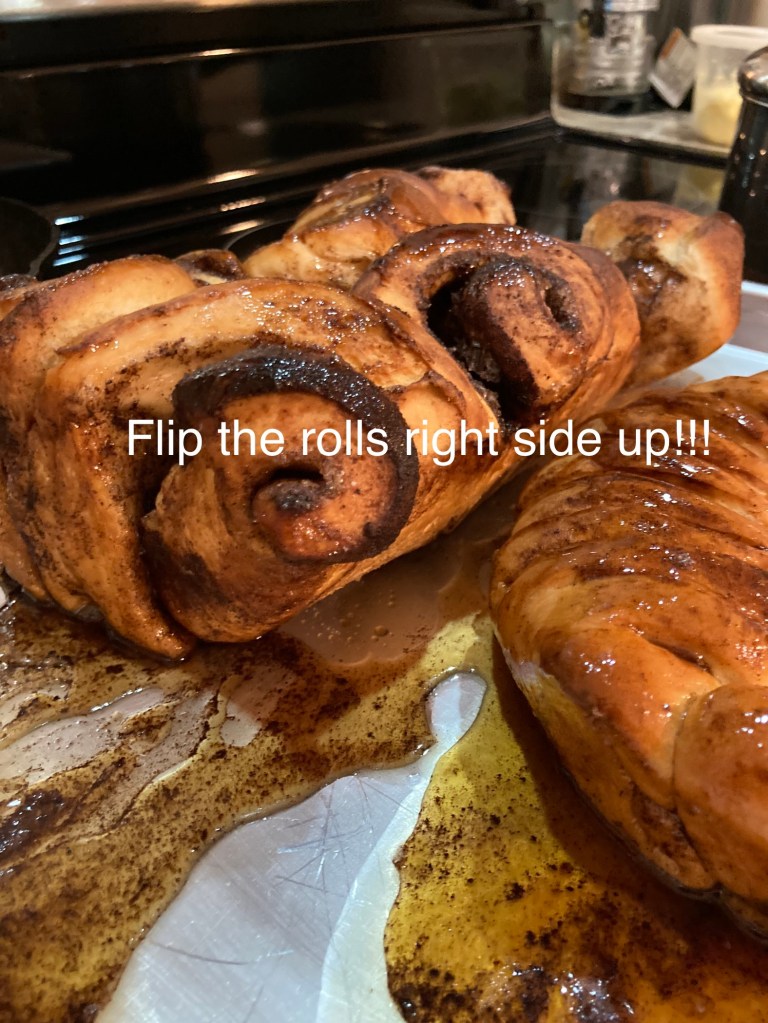
Perfect taken 3 times daily – upon arising, mid-morning and mid-afternoon. But if all you can handle is once a day.. Then take it everyday, once a day.

Bragg Apple Cider Vinegar Cocktail

  • 1 to 2 tsps Bragg Organic Vinegar in 8 oz
  • Glass Purified Water and (optional) to taste.
  • 1 to 2 tsps YOUR CHOICE OF ONE: Organic Honey, 100% Maple Syrup, Cane Syrup, Blackstrap Molasses or 4 drops herb Stevia.

Or if you don’t want to mix all that up. I just down my 2 teaspoons of Apple Cider Vinegar followed by 12 ounces of water. You can also buy the premixed cocktails at a store near you..

That Old Saying: An Apple A Day, Keeps The Doctor Away…

What Is Domestic Violence?


Did anyone ever figure we would be having this conversation in 2018?

We have moved through generation after generation with the continuance of domestic violence and abuse. When will someone care enough to call when someone hears the cries for HELP? Help them when they can not or will not help themselves. Sometimes it takes a community to stop the violence. SPEAK OUT AND BE THE VOICE. Its an anonymous call to the police.

What Is Domestic Violence?

Domestic violence is the willful intimidation, physical assault, battery, sexual assault, and/or other abusive behavior as part of a systematic pattern of power and control perpetrated by one intimate partner against another. It includes physical violence, sexual violence, psychological violence, and emotional abuse. The frequency and severity of domestic violence can vary dramatically; however, the one constant component of domestic violence is one partner’s consistent efforts to maintain power and control over the other.

Domestic violence is an epidemic affecting individuals in every community regardless of age, economic status, sexual orientation, gender, race, religion, or nationality. It is often accompanied by emotionally abusive and controlling behavior that is only a fraction of a systematic pattern of dominance and control. Domestic violence can result in physical injury, psychological trauma, and in severe cases, even death. The devastating physical, emotional, and psychological consequences of domestic violence can cross generations and last a lifetime.

For anonymous, confidential help available 24/7, call the National Domestic Violence Hotline at 1-800-799-7233 (SAFE) or 1-800-787-3224 (TTY).

It is not always easy to determine in the early stages of a relationship if one person will become abusive. Domestic violence intensifies over time. Abusers may often seem wonderful and perfect initially, but gradually become more aggressive and controlling as the relationship continues.

What Does Abuse Include?

Abuse may begin with behaviors that may easily be dismissed or downplayed such as name-calling, threats, possessiveness, or distrust. Abusers may apologize profusely for their actions or try to convince the person they are abusing that they do these things out of love or care. However, violence and control always intensifies over time with an abuser, despite the apologies. What may start out as something that was first believed to be harmless (e.g., wanting the victim to spend all their time only with them because they love them so much) escalates into extreme control and abuse (e.g., threatening to kill or hurt the victim or others if they speak to family, friends, etc.). Some examples of abusive tendencies include but are not limited to:1

  • Telling the victim that they can never do anything right
  • Showing jealousy of the victim’s family and friends and time spent away
  • Accusing the victim of cheating
  • Keeping or discouraging the victim from seeing friends or family members
  • Embarrassing or shaming the victim with put-downs
  • Controlling every penny spent in the household
  • Taking the victim’s money or refusing to give them money for expenses
  • Looking at or acting in ways that scare the person they are abusing
  • Controlling who the victim sees, where they go, or what they do
  • Dictating how the victim dresses, wears their hair, etc.
  • Stalking the victim or monitoring their victim’s every move (in person or also via the internet and/or other devices such as GPS tracking or the victim’s phone)
  • Preventing the victim from making their own decisions
  • Telling the victim that they are a bad parent or threatening to hurt, kill, or take away their children
  • Threatening to hurt or kill the victim’s friends, loved ones, or pets
  • Intimidating the victim with guns, knives, or other weapons
  • Pressuring the victim to have sex when they don’t want to or to do things sexually they are not comfortable with
  • Forcing sex with others
  • Refusing to use protection when having sex or sabotaging birth control
  • Pressuring or forcing the victim to use drugs or alcohol
  • Preventing the victim from working or attending school, harassing the victim at either, keeping their victim up all night so they perform badly at their job or in school
  • Destroying the victim’s property

Is Domestic Violence Always Physical Abuse?

It is important to note that domestic violence does not always manifest as physical abuse. Emotional and psychological abuse can often be just as extreme as physical violence. Lack of physical violence does not mean the abuser is any less dangerous to the victim, nor does it mean the victim is any less trapped by the abuse.


What Happens When the Abusive Relationship Ends?

Domestic violence does not always end when the victim escapes the abuser, tries to terminate the relationship, and/or seeks help. Often, it intensifies because the abuser feels a loss of control over the victim. Abusers frequently continue to stalk, harass, threaten, and try to control the victim after the victim escapes. In fact, the victim is often in the most danger directly following the escape of the relationship or when they seek help: 1/5 of homicide victims with restraining orders are murdered within two days of obtaining the order; 1/3 are murdered within the first month.2

Unfair blame is frequently put upon the victim of abuse because of assumptions that victims choose to stay in abusive relationships. The truth is, bringing an end to abuse is not a matter of the victim choosing to leave; it is a matter of the victim being able to safely escape their abuser, the abuser choosing to stop the abuse, or others (e.g., law enforcement, courts) holding the abuser accountable for the abuse they inflict.

For anonymous, confidential help available 24/7, call the National Domestic Violence Hotline at 1-800-799-7233 (SAFE) or 1-800-787-3224 (TTY) now.

OOH So Yummy Breakfast from a box!!!


Love Grown is revolutionizing breakfast with what they call “the power blend” of navy, lentil, and garbanzo beans! They have launched a selection of nutritious cereals that are also gluten-free and low sodium.


I am enjoying a bowl of Frosted Mighty Flakes as I write this review. This is actually the 3rd time I have eaten them, so I assure you they are delicious. They are lightly frosted and the frosted part is perfectly sweetened. They stay firm and the flakes didn’t get soggy. I actually had to leave my bowl for 10 minutes and when I returned they were still firm. I was amazed to say the least. I actually was full and satisfied until lunch rolled around. I have switched my breakfast cereal to Love Grown. So I will be reviewing the entire line they have to offer.



These are sweetened with Cane Syrup and they are labeled Vegan. Not that I care about the Vegan part so much, but as a result I have experienced a cleaner selection of products. To me that means lower sodium and prefer cane syrup over sugar or fake substitute product. NON GMO and Gluten Free are important factors also.


VEGGIE 911… DINNER FOR 6


Having Vegetarian friends over and you don’t know what to cook…

VEGGIE 911 to the rescue!!!

As you will see, “Eating clean doesn’t mean Starving to Death”.

Ratatouille

Click Here To Get the recipe

Save

Save

Save

Healthy Choices For A Healthy Lifestyle