The Day God Set Me Free from My Marriage,What to Expect When Divorcing a Narcissist


Breaking up in normal circumstances is hard enough. If you throw a narcissist into the equation, it makes it all the more difficult. I’ve been …

The Day God Set Me Free from My Marriage,What to Expect When Divorcing a Narcissist

8 Signs Someone Is Trying To Manipulate You


Introduction To Manipulation Psychological manipulation in human relationships is when someone takes any action to control how another feels, thinks,…

8 Signs Someone Is Trying To Manipulate You

Life Quote By Gerard Way: “Being happy doesn’t…”


I hope you enjoyed this. And remember: Sharing is caring! Do you want a writing job where you can earn $20 – $35 per hour? Click for more info! PS: …

Life Quote By Gerard Way: “Being happy doesn’t…”

Delicious and Moist Chocolate Cake Recipe


This post may contain affiliate links. Please read our Privacy Policy. Jump to recipe Looking for the most delicious and moist chocolate cake recipe …

Delicious and Moist Chocolate Cake Recipe

Superfoods for Getting Over Food Poisoning


Food poisoning is an all-encompassing term involving the consumption of contaminated food, stomach flu, stress, drug interactions, nutrient …

Superfoods for Getting Over Food Poisoning

Good Or Bad


I Stopped


(95) Museum of The Moon


Yesterday, I arrived early to attend the part of Portsmouth’s current We Shine festival that involves viewing a space-y fortified moon-bauble-lamp …

(95) Museum of The Moon

Delightful Beauty


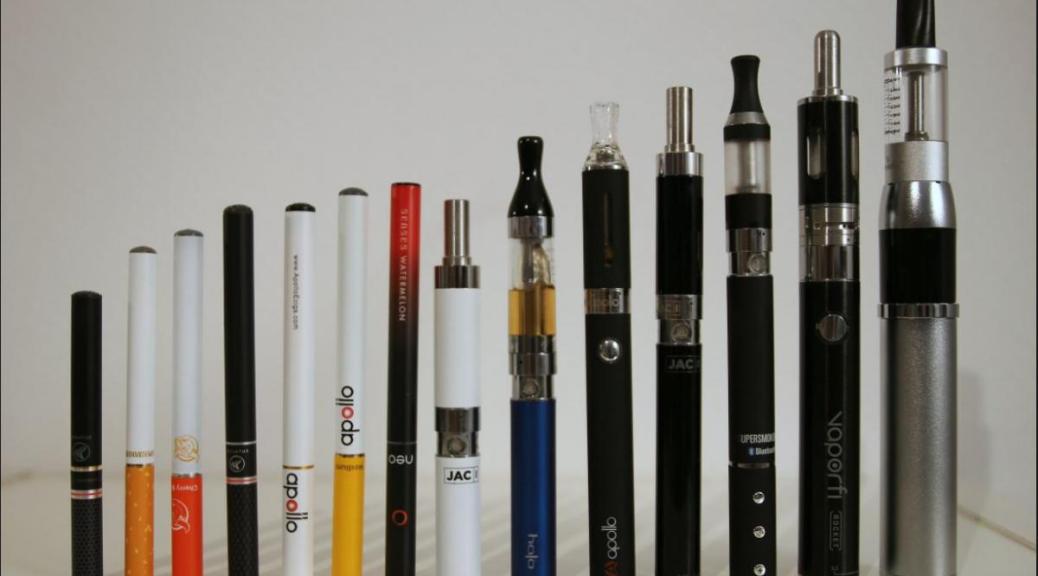
Escape The Vape


It’s killing you, your friends and family members.

QUIT NOW 1-800-784-8669

What Seven Years Of Jiu-Jitsu Have Taught Me About Life


It’s a rare thing to come across fellow grapplers here on WordPress, so it was a treat meeting someone like Betsy, who shares her exploits on the …

What Seven Years Of Jiu-Jitsu Have Taught Me About Life

“My Biggest Fear”: Chris Hemsworth Reveals Genetic Predisposition for Alzheimer’s


Chris Hemsworth has revealed his genetic predisposition for Alzheimer’s disease, telling Vanity Fair that “my biggest fear” had come true. The Thor …

“My Biggest Fear”: Chris Hemsworth Reveals Genetic Predisposition for Alzheimer’s

Feel The Burn


Travel Destination: Big Bend National Park


The first destination in our South Texas Road Trip was Big Bend National Park. Located in a remote part of southern Texas, Big Bend got its name …

Travel Destination: Big Bend National Park

5 Ayurvedic Tips for Thriving During the Holidays


The ancient healing science of Ayurveda teaches us that our health and wellness depend on our digestion. Digestion in this context also includes our …

5 Ayurvedic Tips for Thriving During the Holidays

COOKING 101: TORTILLAS made with Lard, Manteca or Tallow


  • Prep Time: 30 minutes
  • Cook Time: 60 to 65 minutes
  • Total Time: 85 minutes
  • Yield: 10 servings
  • Skill Level: Beginner / Easy
  • Kitchen Appliance: Mixer or by hand and Stove

These tortillas are the Ultimate. No Vegetable shortening.

“Did you know” Lard, Manteca or Tallow is actually healthy for you. That’s right.

Up until 1990 when the vegan movement took place those tasty McD’s french fries were fried in tallow. Tallow is a rendered form of beef or mutton fat, primarily made up of triglycerides. It is solid at room temperature. Lard / Manteca is rendered from pork.

Lard / Tallow has always been an important cooking and baking staple in cultures where pork / beef is an important dietary item, with pig / cow fat often being as valuable a product as the meat.
Lard is a semi-solid white fat product obtained by rendering the fatty tissue of the pig. It is distinguished from tallow, a similar product derived from fat of cattle or sheep.

Tallow and Lard can be rendered by steaming, boiling, or dry heat. The culinary qualities of lard vary somewhat depending on the origin and processing method; if properly rendered, it may be nearly odorless and tasteless. It has a high saturated fatty acid content and no trans fat. At retail, refined lard is usually sold as paper-wrapped blocks.

Many cuisines use lard as a cooking fat or shortening, or as a spread in the same ways as butter. It is an ingredient in various savory dishes such as sausages, pâtés, and fillings. As a replacement for butter, it provides flakiness to pastry. In western cuisine, it has ceded its popularity to vegetable oils, but many cooks and bakers still favor it over other fats for certain uses.

NUTRITIONAL FACTS


Lard / Manteca
Nutritional value per 100 g (3.5 oz)
Energy 3,765.6 kJ (900.0 kcal)
Carbohydrates 0 g
Fat 100 g
Saturated 39 g
Monounsaturated 45 g
Polyunsaturated 11 g
Protein 0 g
Vitamins Quantity %DV†
Vitamin E 4% 0.6 mg
Cholesterol 95 mg
Zinc 0.1 mg
Selenium 0.2 m
Fat percentage can vary

Beef Tallow
Nutritional value per 100 g (3.5 oz)
Energy 3,774 kJ (902 kcal)
Carbohydrates 0 g
Fat 100 g
Saturated 42 g
Monounsaturated 50 g
Polyunsaturated 4 g
Protein 0 g
Cholesterol 109 mg
Selenium 0.2 mg

Tallow / Manteca Tortillas

  • 2/3 cup Lard, Manteca or Tallow, room temperature
  • 2 cups all-purpose Flour
  • 1 tsp kosher salt
  • 1/2 tsp baking powder
  • 1/3 c water, warm added sparsely

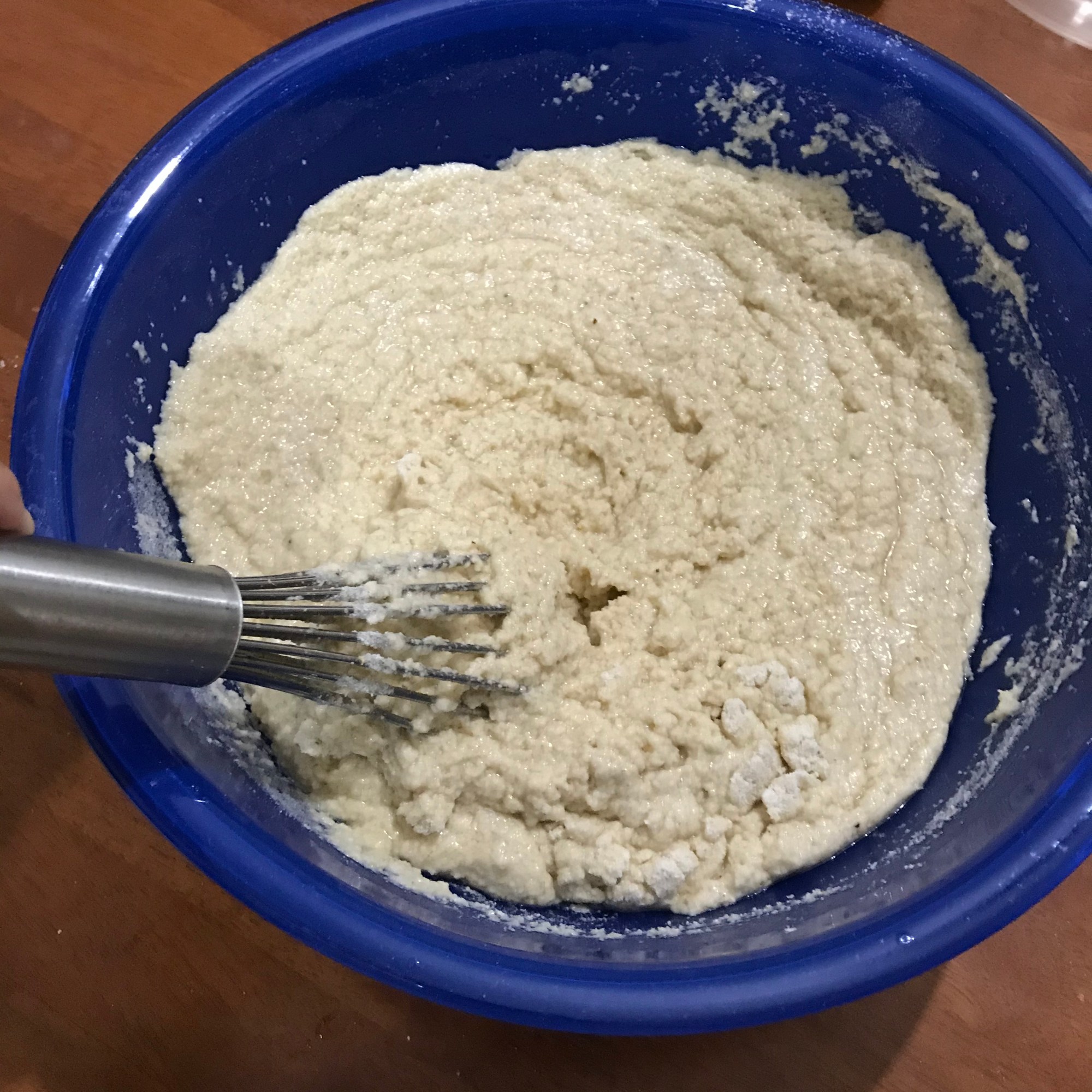
Working with a mixer or by hand with a whisk and spoon, whip the tallow until very creamy. Start adding dry ingredients and mix at low speed until the dough takes on a sandy appearance. Slowly add the warm water with the mixer running, and continue to mix until the dough comes together into a smooth ball. If using spoon make sure to mix well

Wrap the bowl tightly in plastic, and allow to rest at room temperature for 30 minutes.

Heat a heavy cast iron or non-stick skillet over low heat. Divide the dough into 10 portions, rolling each into a smooth ball. Working on a lightly floured surface. Using a rolling pin, press each portion to an approximately 4″ circle. Cook on each side for approximately 4 to 5 minutes, or until toasted to a medium golden tone.

You can keep them warm in a tortilla warmer or a clean kitchen towel.

If a less flaky tortilla is desired, add more water to the dough, approximately one or two tablespoons, or enough to make the dough just barely stick to a clean finger. The remainder of the recipe would be worked the same.

Enjoy

GOT “FIGGY PUDDING “


Today spam rolled out the new “Figgy Pudding”

SPAM® Figgy Pudding brings a blend of warm spices and seasonal ingredients that will be the star in many wintertime recipe favorites. With notes of cinnamon and nutmeg combined with fig and orange flavors, you’ll taste true holiday comfort that will have you caroling all season long.

🎶 Now, bring us some figgy pudding.🎶

EMF Radiation from AirPods, Wired Headphones and Air Tube Headphones


Concerns are increasing about EMF radiation from headphones such as AirPods, other Bluetooth headphones, and wired headsets. Understanding the EMF …

EMF Radiation from AirPods, Wired Headphones and Air Tube Headphones

I am me !!!


Your future is the greatest mystery of all. But you get to write it.


I stopped into a bookstore at the airport in Minneapolis yesterday. Since publishing my first book 11 months ago I look at bookstores differently. …

Your future is the greatest mystery of all. But you get to write it.

Join me on a 21 day journey to self growth


Hello and welcome to my blog! I’m still here, still depressed, but today was the last day of the self-growth challenge I’m doing, so I had to share. …

Join me on a 21 day journey to self growth

Be Ye Kind, Reverse The Growth Of Bitterness


Put all malice away from you. Lighten your soul with spiritual fruit: empathy, grace, and forgiveness and reverse the growth of bitterness.

Be Ye Kind, Reverse The Growth Of Bitterness

Keisha and the Rise of the Legacy by T.R. Tells (Book Review #1341) — Review Tales


‘Keisha and the Rise of the Legacy’ is a fantasy story about Keisha Alighieri, a 14-year-old who travels to the Inferno world in an attempt to save her kidnapped mother, only to realize that her father, Dante and his bloodline are all hunters and protectors of the same world. BUY NOW! Keisha is not alone, […]

Keisha and the Rise of the Legacy by T.R. Tells (Book Review #1341) — Review Tales

After the chicken crossed the road… — Wrong Hands


After the chicken crossed the road… — Wrong Hands

Street Photography | Argentina — Edge of Humanity Magazine


Photographer José De Rocco is the Edge of Humanity Magazine contributor of these images.  To see José’s body of work, click on any photograph.                 All images © José De Rocco       Edge of Humanity Magazine’s FREE Projects & Other Services To Promote Works From…

Street Photography | Argentina — Edge of Humanity Magazine

Walking Squares: A Warmer-Than-Usual Dublin — Kanlaon


It’s been a hectic two days of hard traveling, but now self is almost to her destination, and she only has to get on the bus to Monaghan tomorrow. Here’s her latest installment for Life of B’s November Squares Challenge: Walking Squares. Dublin is warm! And sunny! Perfect walking weather. From her Airbnb on Aungier […]

Walking Squares: A Warmer-Than-Usual Dublin — Kanlaon

Richard E. Ferdig – new articles — Virtual School Meanderings


Another item from one of my open scholarship networks. Preparing K-12 Teachers for the Reality of an Increased Need for Online and Blended Learning C Hodges, M Barbour, R Ferdig – SITE Interactive Conference, 2022 The COVID-19 pandemic exposed issues related to online and blended learning in K- 12 schools. In this paper, the authors focus […]

Richard E. Ferdig – new articles — Virtual School Meanderings

Elvis Costello & The Imposters Unveil 2023 Tour Dates — Consequence


Fresh off a 2022 tour supporting their new album, The Boy Named If, Elvis Costello & The Imposters have announced a new string of 2023 dates. For “The Boy Named If and Other Favorites Tour,” The Imposters — Steve Nieve, Pete Thomas, and Davey Faragher – will once again be rounded out by guitarist Charlie…Please click the link below to…

Elvis Costello & The Imposters Unveil 2023 Tour Dates — Consequence

How to Get Tickets to Trevor Noah’s 2023 Tour — Consequence


Trevor Noah is heading out on a huge North American standup comedy circuit in 2023, and tickets to his “Off the Record Tour” will likely feature some of his first live appearances after his tenure as host of The Daily Show comes to a close. Get tickets here, and read…Please click the link below to…

How to Get Tickets to Trevor Noah’s 2023 Tour — Consequence

Best Barre Workout for Legs and Thighs – Create Long Lean Dancer Legs


Best Barre Workout for Legs and Thighs Here is the Best Barre Workout for Legs and Thighs, but what is a barre workout? A Barre workout is a unique …

Best Barre Workout for Legs and Thighs – Create Long Lean Dancer Legs

How can I make my home more Eco-friendly?


When people think of eco-friendly living, they often picture rooftop gardens and solar panels. While these are both great ways to become more …

How can I make my home more Eco-friendly?

Learning Quote By D’andre Lampkin: “Groom yourself and…”


If you like it, feel free to share it! It will help me a lot! Do you want a writing job where you can earn $20 – $35 per hour? Click for more info! …

Learning Quote By D’andre Lampkin: “Groom yourself and…”

To Admiré Someone


Respect

Flower That Blooms


Leaving Your Chilhood


Starbucks Red Cup kick off


Hats off to Starbucks and the yearly recycling program they have adopted for the holidays.

Customers will receive a FREE reusable cup with the purchase of any handcrafted holiday drink.

This year, you can get your free reusable limited edition red cup on Thursday November 17.

Be The Reason


Courage


Maya Angelou

Going Dark


Chocolate: Dark vs Milk

Dark chocolate has an extra layer of goodness. You ask what could be good about chocolate candy, besides that it’s yummy. I’m about to tell you all about the great powers of chocolate.

Feeling a little sluggish? Try having 25g of dark chocolate 72%. Dark chocolate contains just enough caffeine for a little afternoon burst of energy.

Caffeine is a compound naturally found in commonly consumed items such as coffee, tea, and chocolate. An average cup of coffee (8 fl oz) contains about 95 mg and the same amount of tea contains about 26 mg. Compared to these two sources chocolate has very little caffeine. The caffeine content of chocolate is dependent on the amount of cacao in the product. Dark chocolate contains about 20 mg of caffeine per ounce, milk chocolate contains about 6 mg per ounce, and white chocolate contains no caffeine. However, caffeine content will vary and can be dependent on the cocoa bean type and origin.

Everything Changes


Be Brave


Word Of The Day


Disheartening:

Causing someone to lose determination or confidence; discouraging or dispiriting:

She’s A Keeper


❣️💕💘💖💝💘 Amor 😻

Achievement


Chicken Mesa Pasta


The sauce on the pasta is a medley of vegetables that are light and tasty. The chicken thigh is oven fried and smothered in a sweet, tangy and slightly spicy sauce. These two compliment each other perfectly.

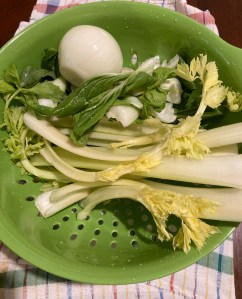
The vegetable ingredients are very simple. Baby Bok Choy x 2, Celery and 1 large Onion. This recipe is for beginners and more.

Here are your spices you will use. There is a recipe at the bottom for the BBQ Sauce.

Let’s Get Cooking!!!

I will be using my Multi-Cooker.

Multi cooker

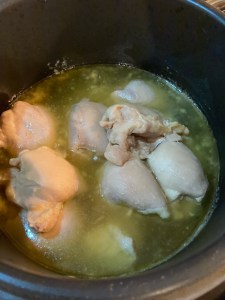
Make your chicken broth or you can buy it at the store. Place skinless, boneless chicken thighs with 1 cup of water. Cook for 45 minutes on poultry. I am making another chicken dish so I will be using fresh broth.

Remove the chicken and smaller pieces of chicken. Or pour the broth into your multi-Cooker or in large pan to accommodate all the veggies.

Wash the vegetables really good. Make sure you use the heart of the celery. It’s very sweet.

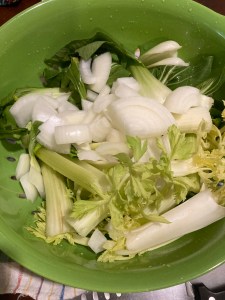
Chopped vegetables

Chop your vegetables so they can fit in cooker or your pan.

Place the vegetables in the pan

STOVE TOP or Multi-Cooker: Add spices salt, pepper, celery salt, 2 cloves garlic smashed and a splash of cumin. Stir it up really good so the spices will infuse into your vegetable with all the flavors of the spices. Close the lid and set the temp on your stove top on HIGH for 15 minutes. Turn down heat to medium for another 15 minutes or until vegetables are soft. Watch your pan so it doesn’t over heat. Remove from heat and let them cool down for 30 minutes.

Multi-Cooker

Set temperature on pressure cooker setting for SOUP for 30 minutes. Vegetables should be soft. Remove pan from cooker and let cool down for 30 minutes.
Food processor or blender

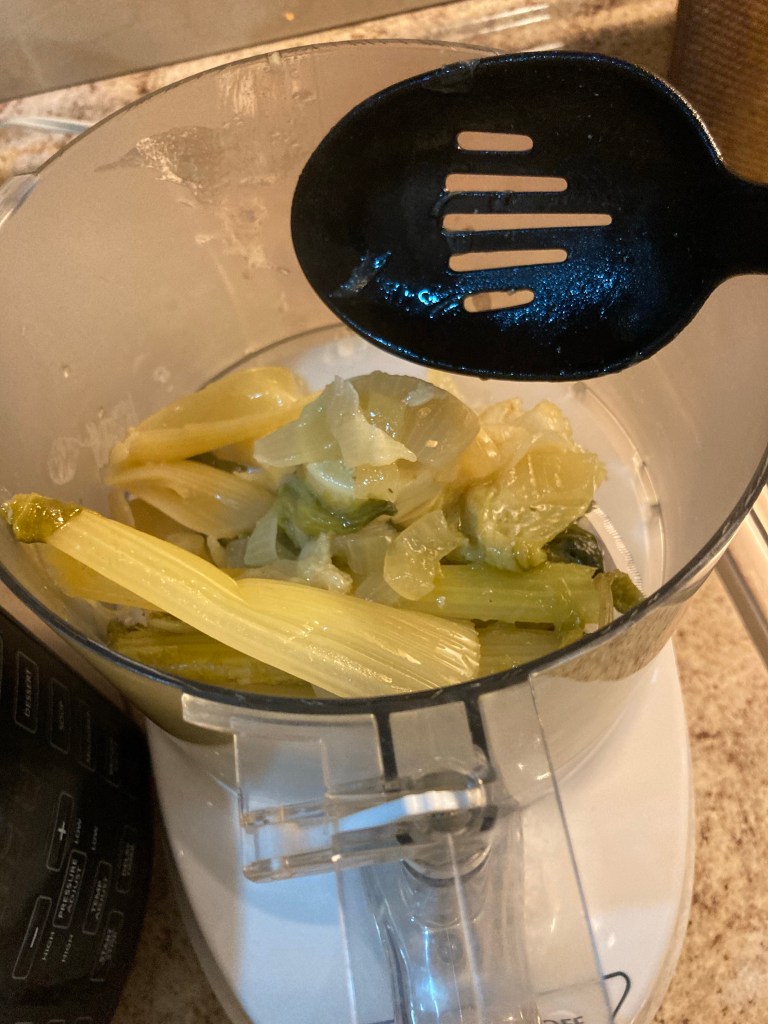
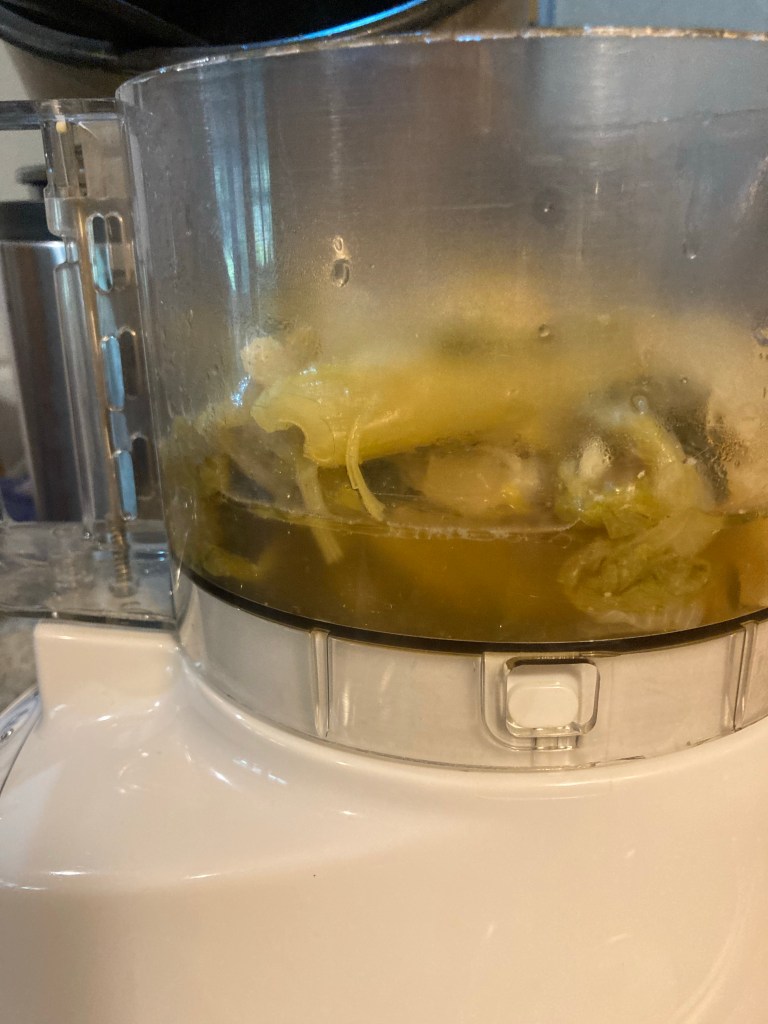
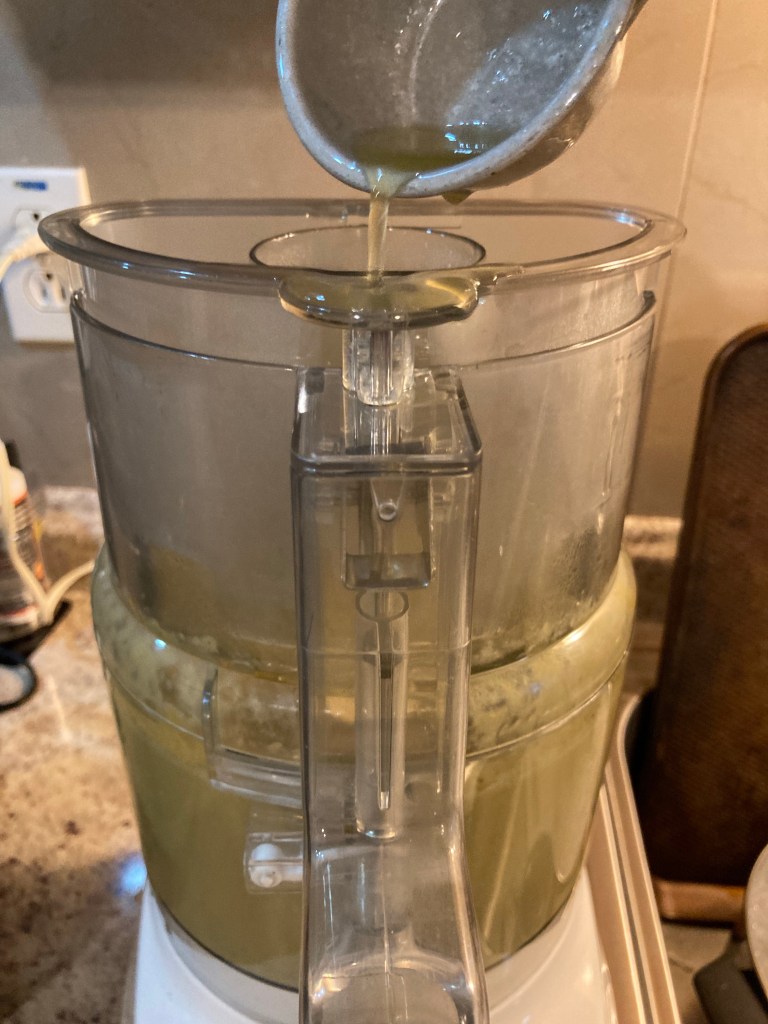
Place you veggies into food processor, 2 tablespoons butter and then a little bit of the broth about 1/2 cup. Pulse a few times and turn to on . Have the broth handy in case you need more. You want the sauce to be thick like spaghetti sauce.

Set the sauce to the side

Take 6 cups of water in a large pot bring to a boil. Add your choice of pasta and boil until aldente or to your preference.

Oven Fried Chicken
  • Heat oven to 375 degrees F’
  • 2 tablespoons olive oil
  • 1 teaspoon salt
  • 1 teaspoon pepper
  • Place above items in a large bowl. Make sure it’s all mixed up good
  • Place the chicken in the bowl. Rub mixture into the chicken with your hands
  • Take a greased cookie sheet and place the chicken directly in the pan or place foil down first
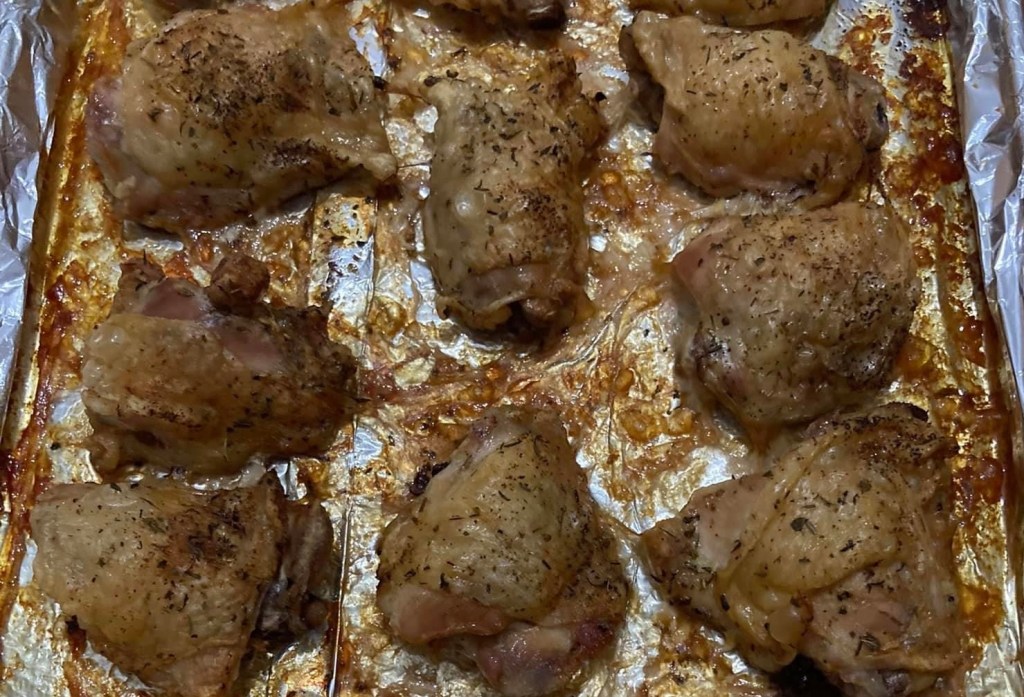
  • Cook for 45 minutes or until crispy brown. Remove from oven and drench in the BBQ sauce and serve with pasta.

Try my special Sweet Tangy Spiced BBQ Sauce recipe

ENJOY !!!

Daylight Savings Time


November 6, 2022 turn your clocks back

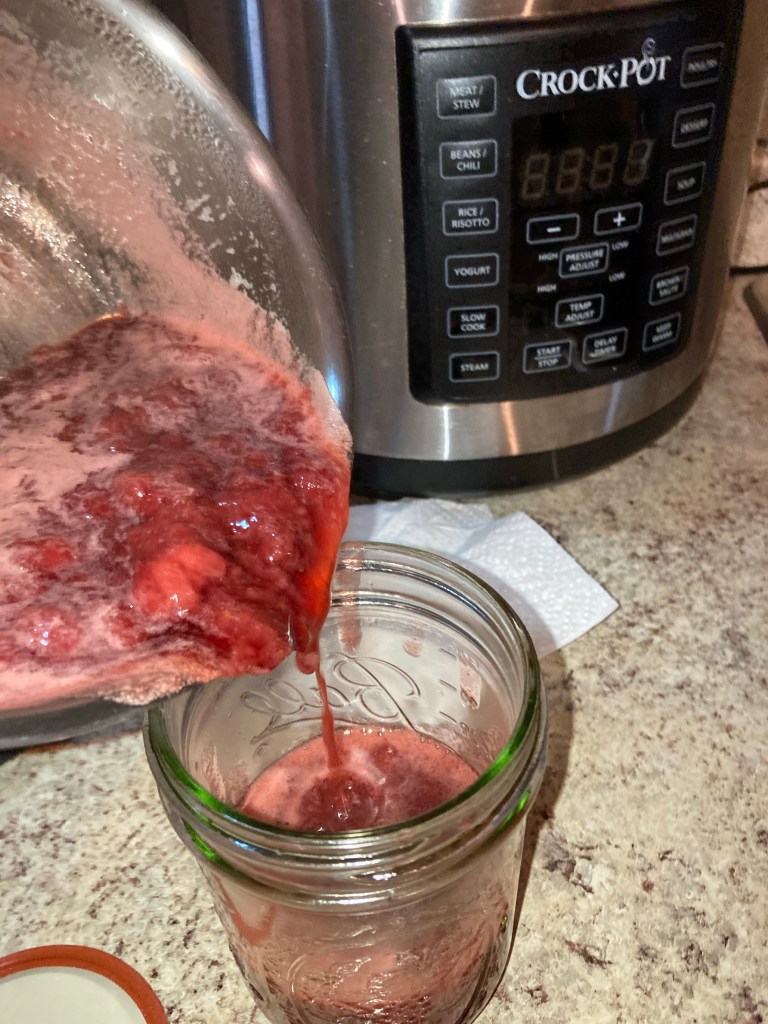
Multi-Use Strawberry Jam


Now here’s a recipe with multiple uses. This can be used for jam on your toast, ice cream and cake poté filling.

I only make small batches. One pound of strawberries and half the sugar of other recipe’s. Big chunks of strawberries simmered to perfection. Low in sugar. No pectin.

Strawberry Shortcake

INGREDIENTS

  • 1 pound Strawberry
  • 1/2 cup Sugar
  • 1/2 Teaspoon Vanilla
  • 2 Tablespoon Lemon Juice
  • Water to cover berries by 1”inch

DIRECTIONS

  • Take the tops off the strawberries and clean under water.
  • Cut strawberries up into chunks.
  • Place the strawberries in a medium sauce pan with the water.
  • Add sugar and lemon juice
  • Turn the fire on to medium and bring to a full boil. Turn the heat down so it simmers.
  • Continue to stir as it thickens.
  • When the jam is thick enough that it sticks to the spoon when turned on side. Remove from fire.
  • Add vanilla and stir really well.
  • Add to mason jar and completely cool. Put it in refrigerator.
  • Jam will thicken as it cools.

Sweater Weather !!!!


Ooh Sweater Weather is here!!!

No Basement


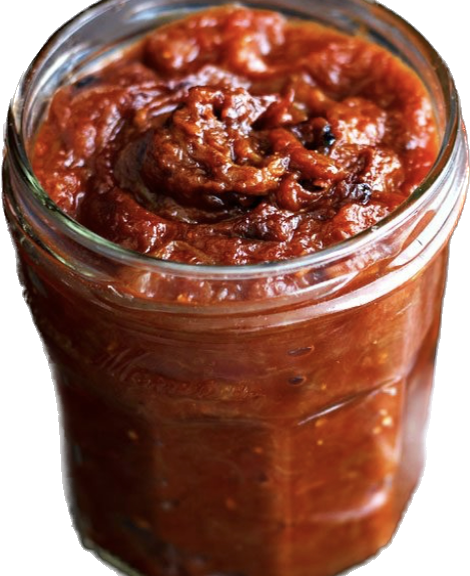
Sweet Tangy Spiced BBQ Sauce


Sweet Tangy Spiced BBQ sauce

INGREDIENTS

  • 3 cups Chicken stock
  • 1 Green, 1 Yellow and 1 Red Bell Pepper diced
  • 2 Red Chilies soaked in 1/2 cup water over night (wear gloves when you handle the chilies) remove seeds and dice chilies thinly. Add the 1/2 cup of the chilie water to the pan.
  • 1 Onion Large diced
  • 2 Tablespoon Garlic minced
  • 1 cup Dark Brown Sugar
  • 1/4 cup White Sugar
  • 3 tablespoons Vinegar
  • 2 (6 ounce cans) Tomate Paste
  • 1 Tablespoon Worshire Sauce
  • 1 Tablespoon All Spice
  • 1 Teaspoon Salt
  • 1/4 cup Honey

DIRECTIONS

  • Wash and cut up your vegetables into small pieces
  • In a Large Pot 1 tablespoon Olive Oil bring to medium heat
  • Place the vegetables and sautee on medium heat until vegetables are wilted and soft. Add the garlic for the last 5 minutes. Stir frequently and dont burn them. Approxamently 20 minutes
  • Add the chicken broth bring to a boil reduce heat to simmer
  • Add tomatae paste and stir until dissolved
  • Add vinegar, brown sugar, white sugar, worshire, all spice, salt and honey
  • Stir until all is mixed together
  • Cover pan with lid slightly crocked to let steam out.
  • Cook down until very thick
  • 2- 16 ounce wide mouth mason jars. Fill each one and leave at least 2″ from the top. Put the lid and seal on quickly so it will seal down good.
  • Let the BBQ sauce cool completely.
  • Put one in the freezer and the other you can refrigerate for up to 3 weeks.

*You can use a Slow Cooker or Multicooker with the Jam setting if you have. It’s easier and you dont have to worry bout burning it. You just use the brown/sautee setting for cooking vegatables and bring to boil.

*You can also use smaller mason jars

Thank you and Enjoy

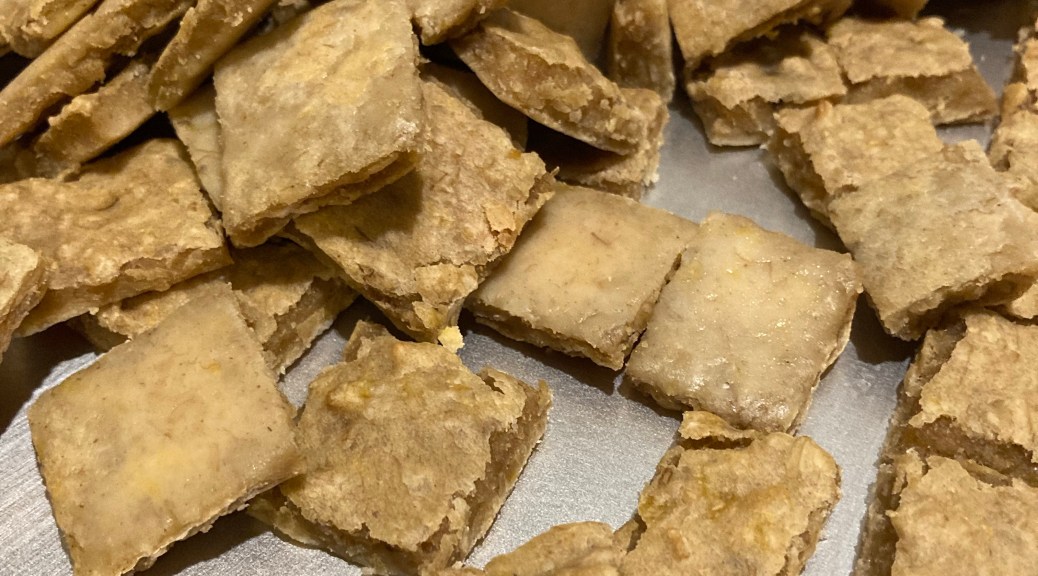
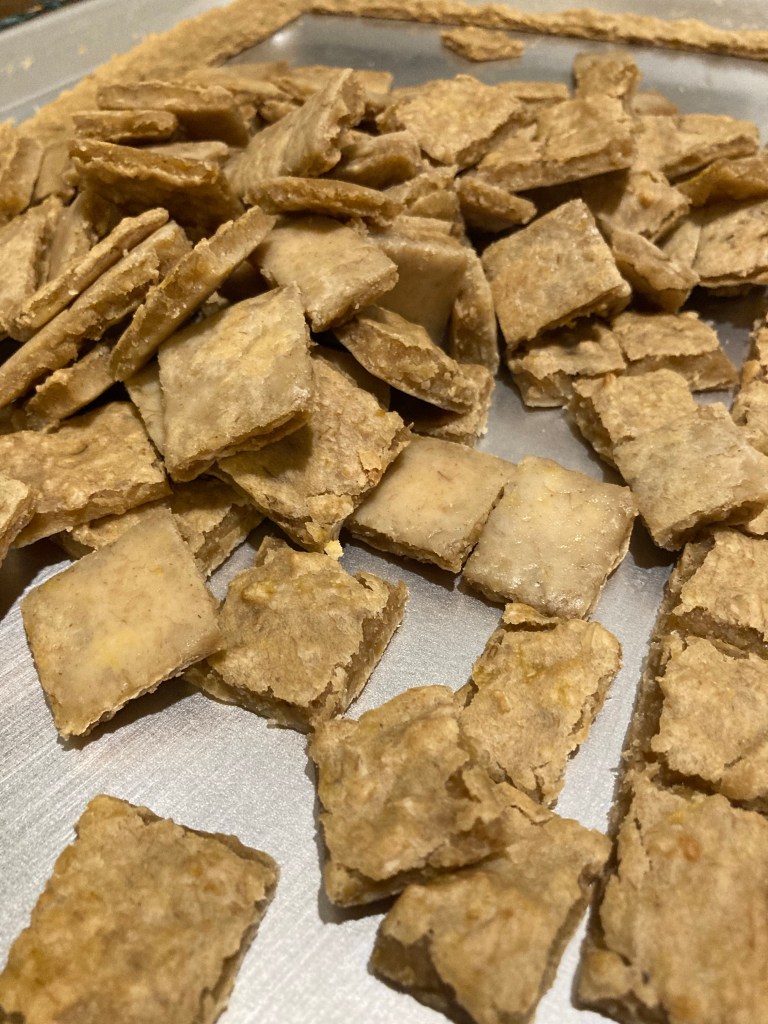
Banana Peanut Butter Oatmeal cookies


Just what my doggies ordered. They love these cookies. It’s healthy and nutritious.

Banana, Peanut Butter Oatmeal cookies

INGREDIENTS

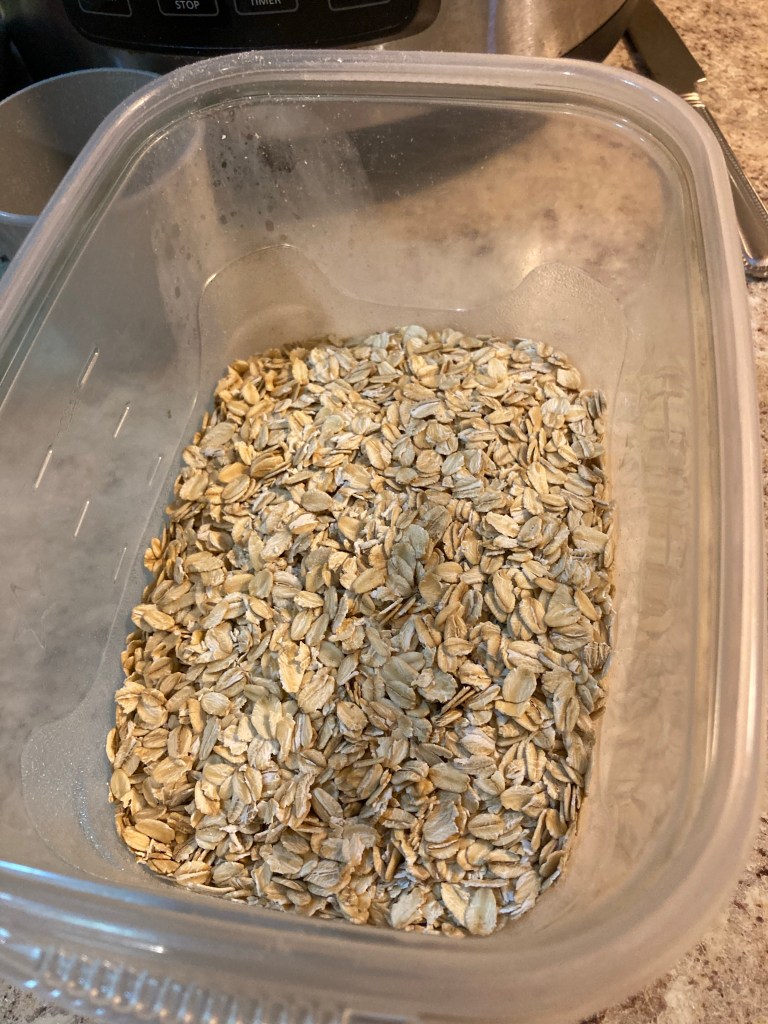
2 cups Oatmeal (soaked)

1/2” inch Water cover above oats

1 cup Banana

1/2 cup Peanut butter

2 cups All Purpose Flour

1 Tablespoon Olive oil

DIRECTIONS

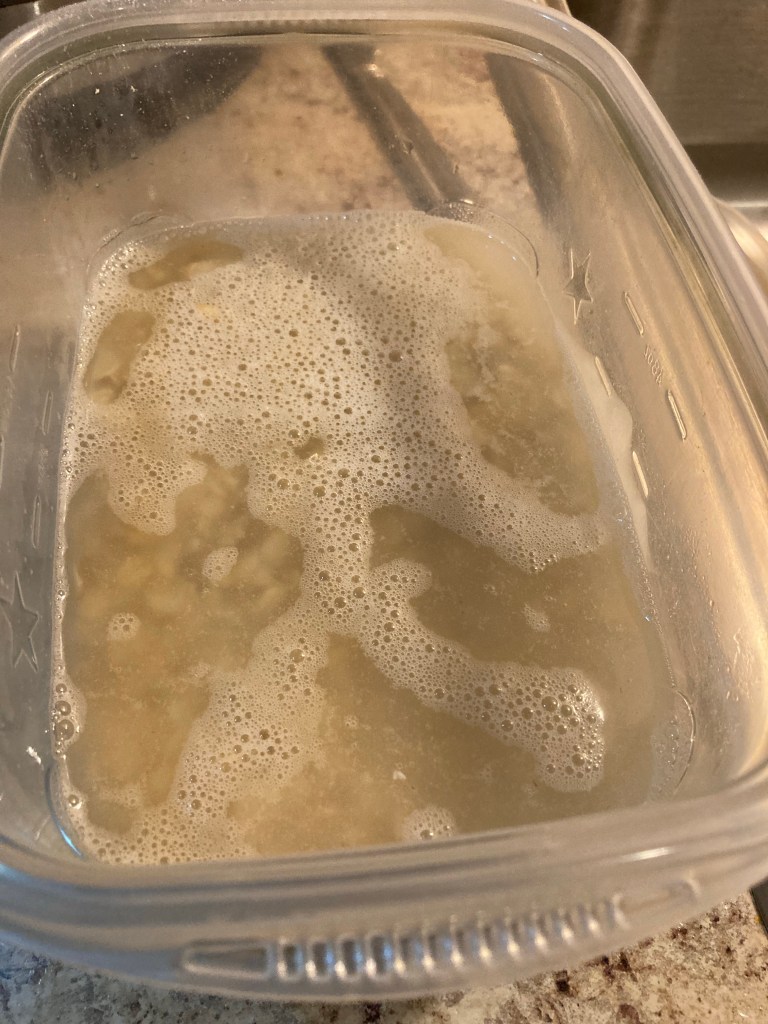
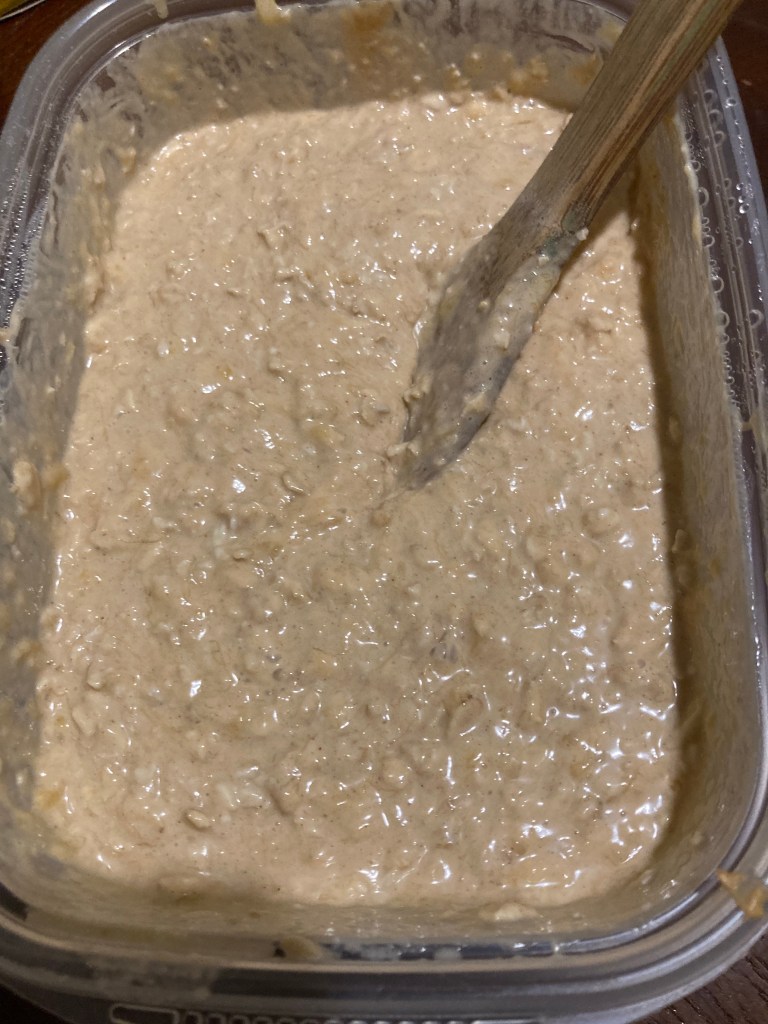
Place 2 cups oatmeal in container and cover 1/2 inch water over the top. Leave that set until almost all the water has been absorbed. About 1.5 hour

2 cups Oatmeal
1/2” inch water to cover oatmeal
1/2 “ inch water over oatmeal soaking 1 to 1.5 hours

Heat oven to 350’ degree F. Grease 1” x 15”x 21” cookie sheet with the olive oil

Frozen bananas to peel
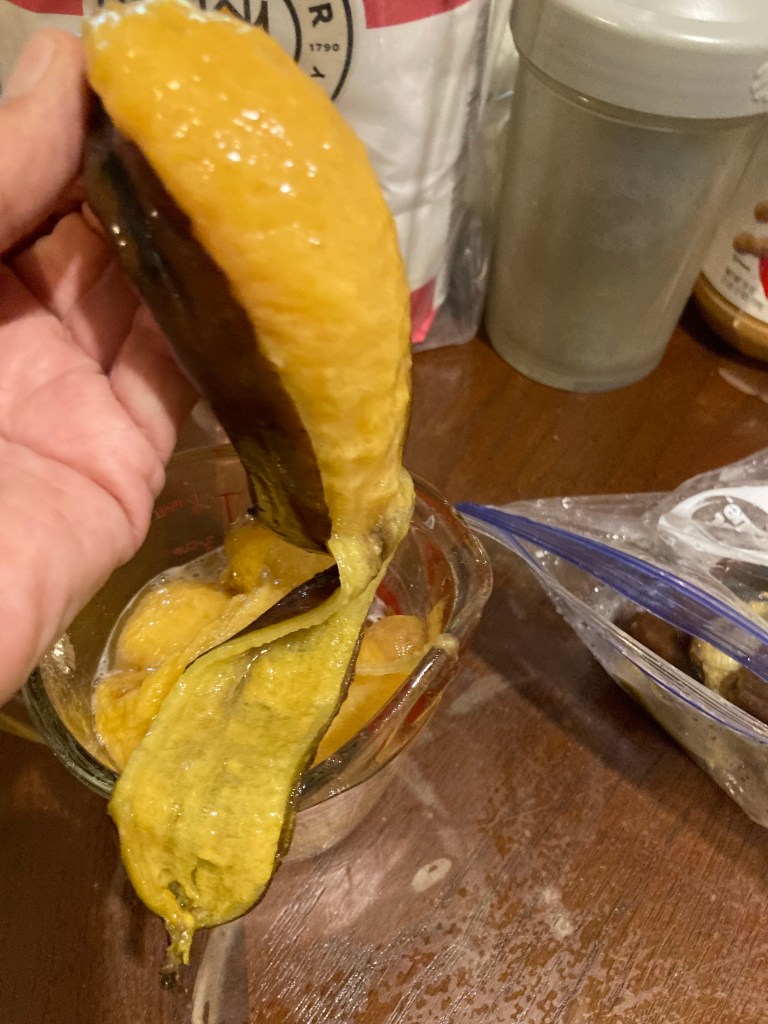
Peel banana’s
Golden banana’s from my trees

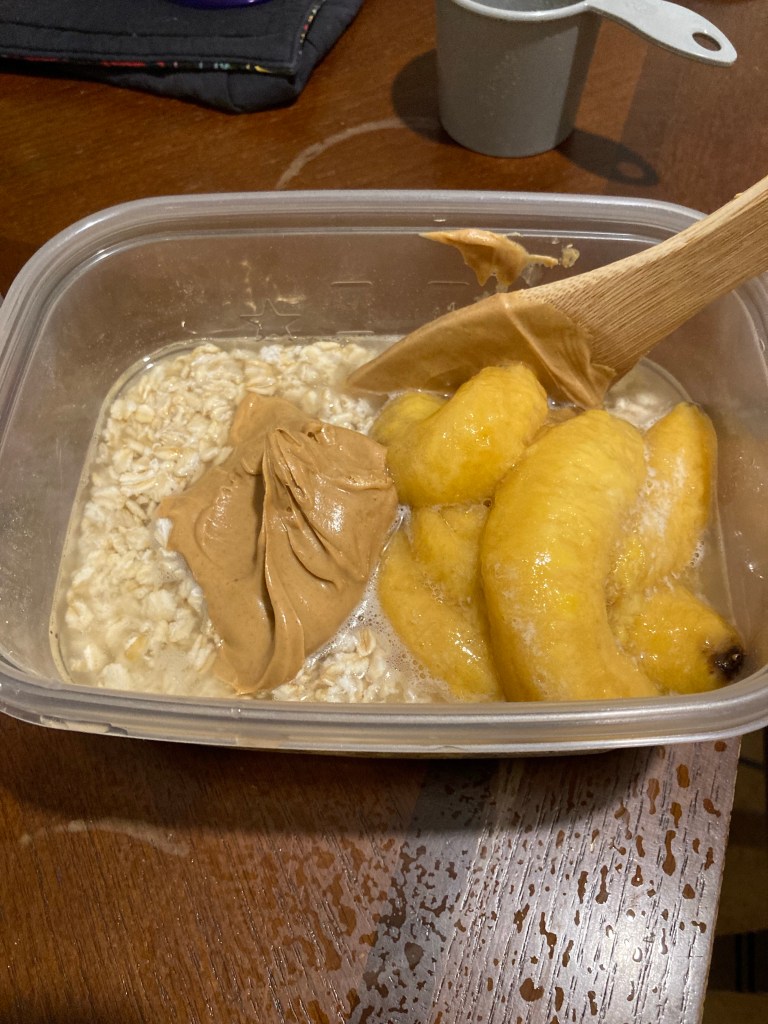
Place the banana, peanut butter and oatmeal.

Stir / Cream the ingredients together. Make sure all the bananas are mixed in good. You might want to mix the bananas prior to adding to the mix.

After getting those ingredients mixed time to add the flour.

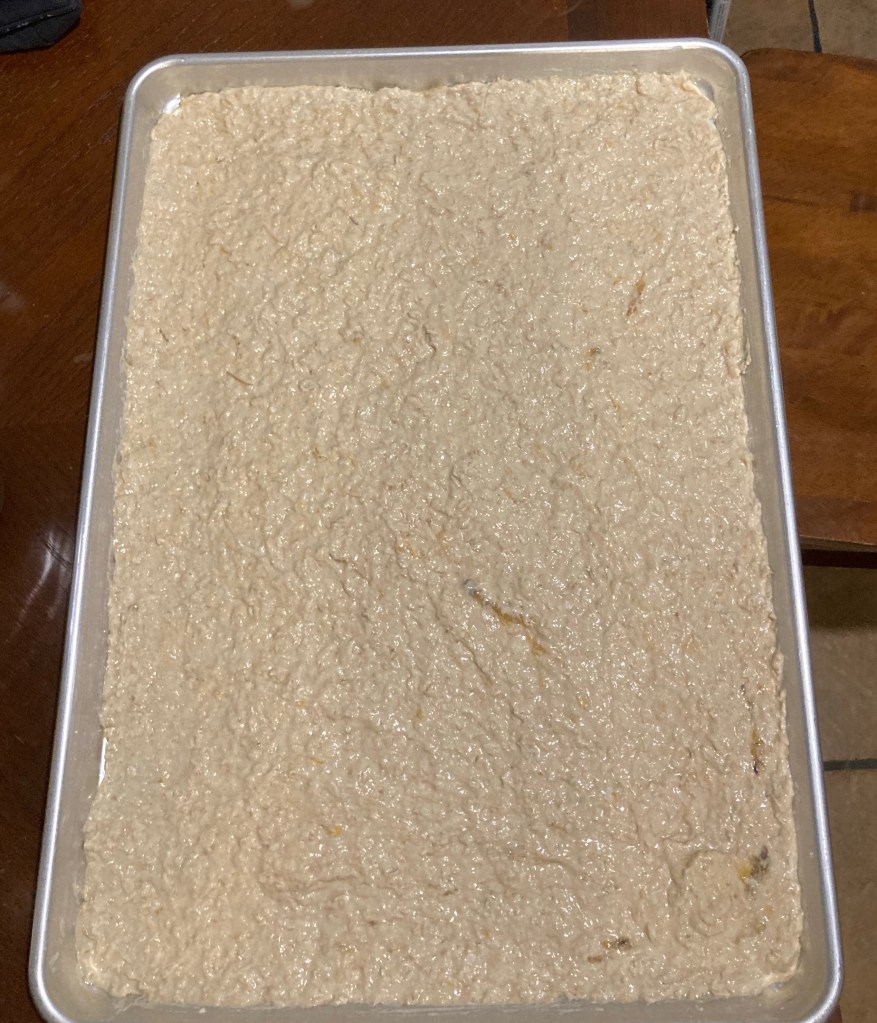
Place the dough onto the cookie sheet and smooth out to thin layer.

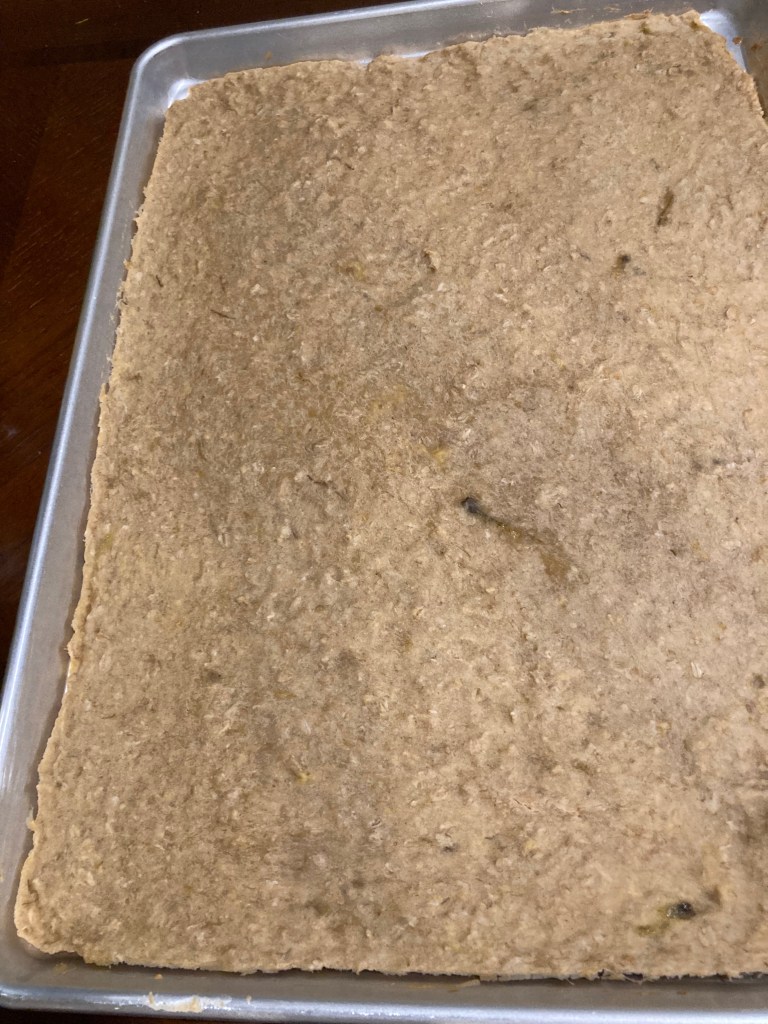
Place in oven on center rack for 30 minutes. take out of oven. The sides should be pulled away from pan. Get the pizza cutter and cut your squares. Turn oven off and put the pan back into the oven and let bake until cool. You can make the size of the cookie fit your dog. I have 4 dogs in various sizes. From 85 to 15 pounds. So my cookies are various sizes.

After 30 minutes remove from the oven

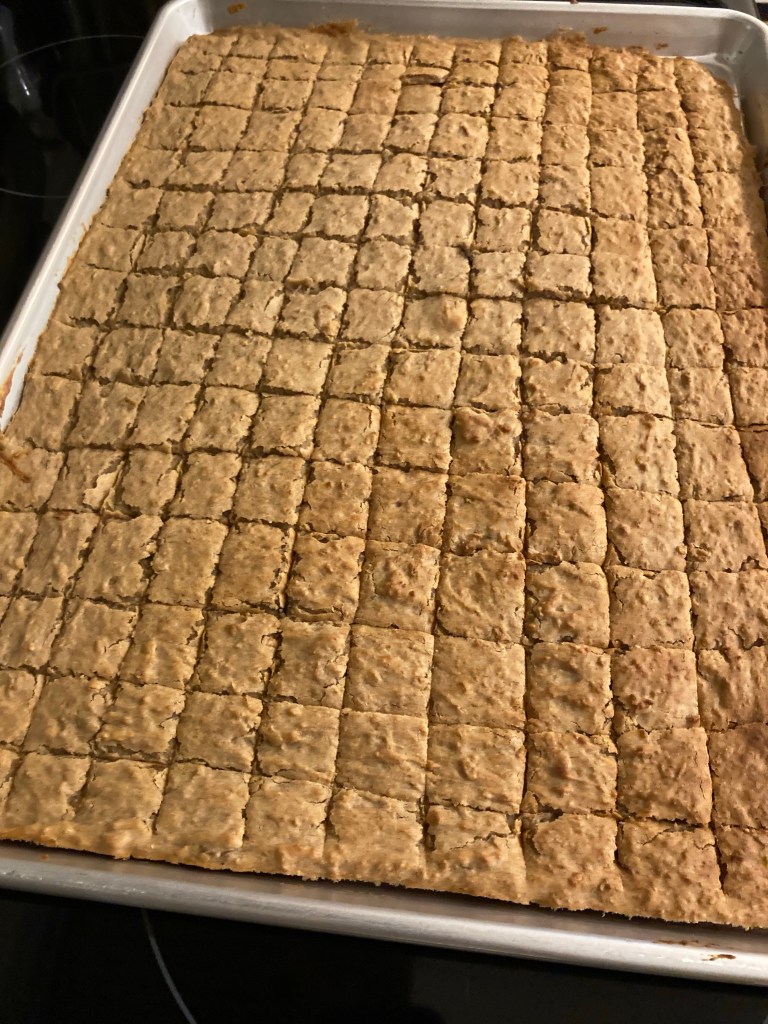
Cut your squares and put them back into the oven until completely cool.

Remove from oven after completely cool. Put into an airtight container and refrigerator. I have 4 dogs and this last 3 weeks. You can also freeze them and just take out what you need.

Your dogs will love them until the last cookie…

You can adjust this recipe to your dogs taste or yours. I ate one and i couldn’t taste the peanut butter. I did a second recipe with 1 1/2 cups of peanut butter. I can taste the peanut butter and my dogs could really smell their treats baking and waited by the kitchen door.

Enjoy !!!

Sunshine


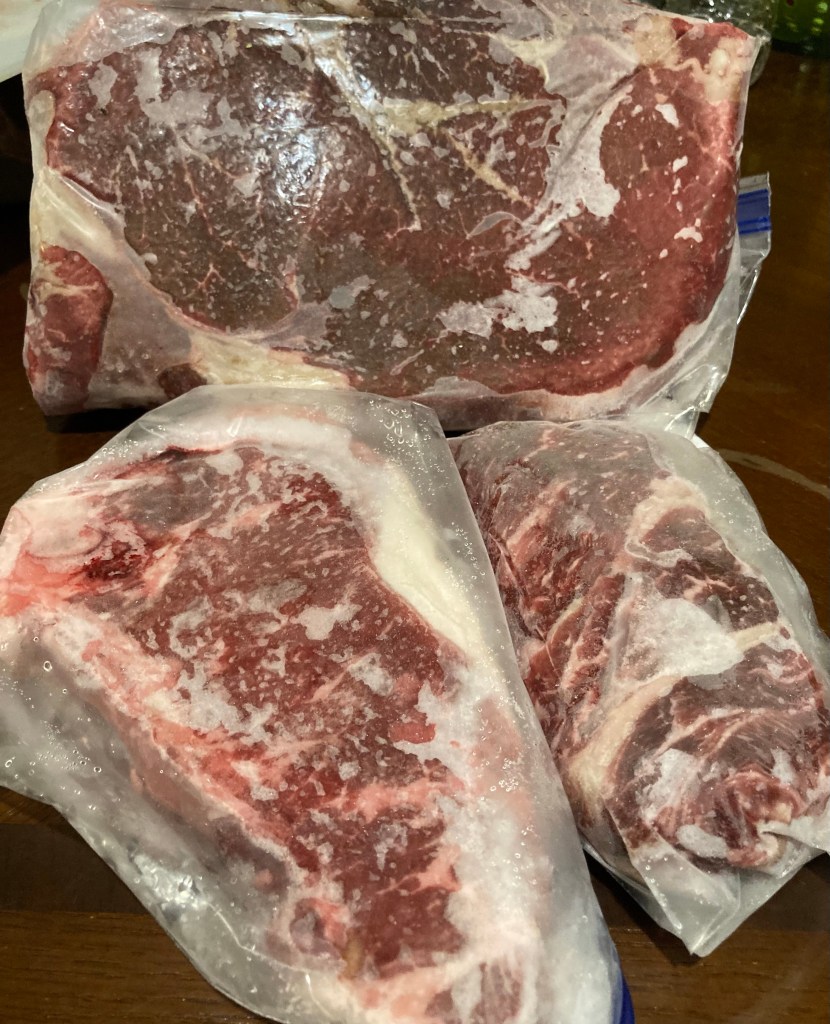
Fresh Hamburger Meat


Fresh chopped hamburger meat from your own kitchen doesn’t get any better. You choose your choice of meat and start chopping.

Most hamburger meat is a combination of several cows. So if one of them has an infection the whole bunch that was just made is infected. This way you know this is one cow.

London broil, top sirloin or chuck roast. Your choice. Just remember to have some fat on the piece of meat. Flavonoids are in the rendered fat. Yummy

I like to cut mine up into very small chunks. I leave my meat semi thawed, it’s easier to cut.

You can also use this for your dogs. If you can afford a Little treat every now and then. Don’t cook it. Leave it raw and mix with some slightly cooked veggies.

It’s Going To Be OK


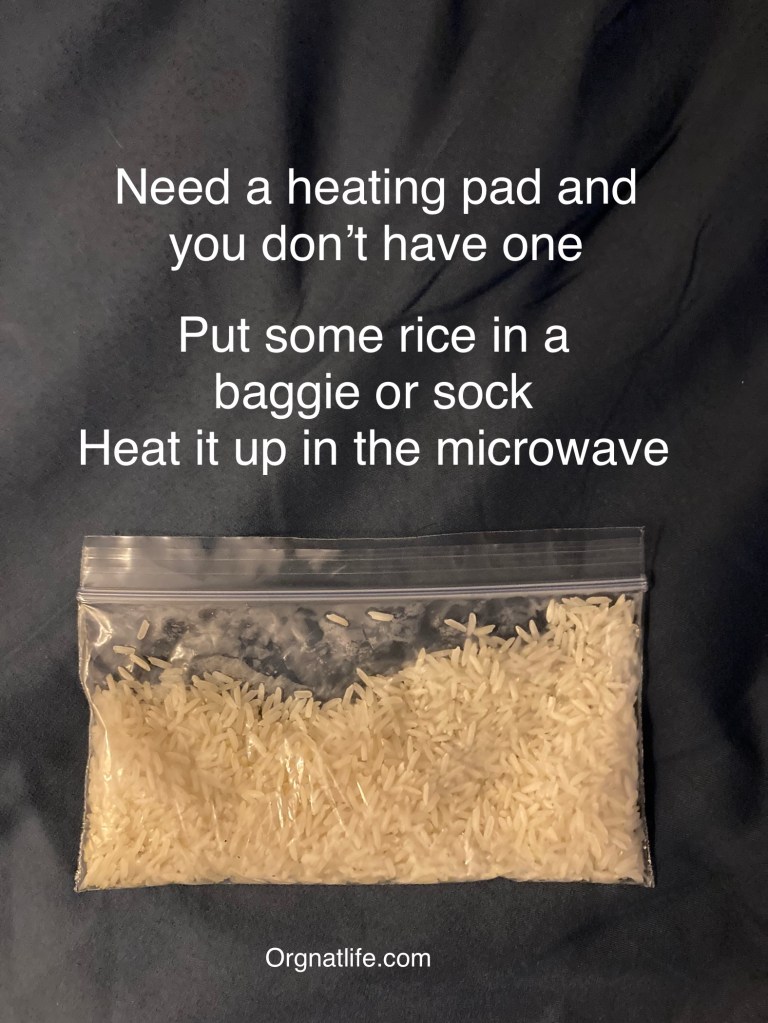
Instant Heating Pad!!!


Brighter Day


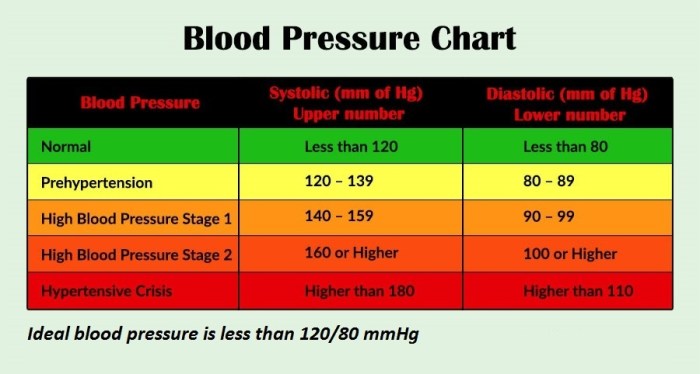
DO YOU SUFFER FROM HIGH BLOOD PRESSURE? SODIUM, IT’S IN EVERYTHING…


If you are suffering from High Blood Pressure the culprit could be sodium.

Have you been reading the labels lately?

I had stopped reading the labels for a couple of years knowing I had read the labels for the items I had chosen. I was shocked to see the changes. Today it seems all products contain some sort of sodium. If you are reading your labels as you shop you will notice SODIUM even when it says “NO ADDED SALT, LOW SALT and LOW SODIUM”.

For optimal heart-health, the American Heart Association recommends consuming no more than 1,500 milligrams of sodium daily. Too much salt, says Dr. Pollak from MAYO Clinic, can increase your blood pressure, in turn, increasing your risk for a heart attack or stroke.

As you can see in the chart below the changes are constant. Today one slice of white bread has 130mg of sodium. Bottled Water has Calcium Chloride, Sodium Bicarbonate which equals to 5mg per 1 cup. More and more products are hiking up the sodium count so watch your labels.

What shocked me the most was milk and water!!!

I didn’t realize no matter what type of organic, fancy expensive or regular cheap cow milk the sodium levels were no less than 120mg of sodium in a one cup serving. WOW, I searched every label in the dairy section just to find that some milks went even higher.

Water, really!!! Adding sodium to every bottled water. Not only sodium, flavoring and natural minerals. Natural minerals, already known to be in water. Minerals are removed when reverse osmosis takes place to filter out the harmful additives. This is no joke. Next time you buy water check it out.

I always shy away from processed meats, processed cheeses and spreads, canned soups and frozen food as much as possible. These are products that can contain thousands of milligrams of sodium. The manufactures use sodium as a natural preservative. It is widely used in all foods.

ideal blood pressure chart 70

You can no longer trust the same brand to continue to have the same ingredients as weeks and months go by. It had only been 1 year since I had last read the labels on some of the staple products I buy each week. Big changes in those foods happened and I wasn’t paying attention. I was intaking so much sodium I had 6 heart attacks in 4 days thinking it was heart burn. Yeah it was heart burn alright. I thought I was doing my healthy life style eating habits but I slipped up and stopped paying attention.

So Remember… READ YOUR LABELS

HOMEMADE TAMALES, STEP BY STEP


RED CHILI PORK TAMALES

Red Chili Pork Tamales

Easy Step By Step Instructions

  • Prep Time: 190 minutes
  • Cook Time: 1 Hour 45 to 55 minutes
  • Total Time: 4 hours 35 minutes +
  • Yield: 24 servings +
  • Skill Level: Beginner +
  • Kitchen Appliance: Stove, Multi-Cooker, Food Processor, Blender,
Another mouth watering recipe for your Latin Food file.

My recipe is a combination of of 5 different meat filling recipes. I made them until I found one that I really liked. Now I have my wonderful creation. The masa recipe is off the back of the Tamal Mesca bag. Simple easy. The only difference is I tan and use my Lard, Manteca or Tallow warm to enhance the flavor of the masa. Instructions down below.

A tamale is a traditional Mesoamerican dish, made of masa or dough, which is steamed in a corn husk or banana leaf. The wrapping can either be discarded prior to eating or used as a plate. Tamales can be filled with meats, cheeses, fruits, vegetables, chilies, chocolate or any thing your heart desires, and both the filling and the cooking liquid may be seasoned with what ever your main ingredient is in your tamale..

If you are trying to decide what to make for a special occasion, holiday or Christmas we think you might enjoy a little spice and sweetness instead.

The secret to a good tamale is moisture. Lard and broth are key ingredients to achieve a smooth creamy flavorful masa.

There are several variations of the tamale. From breakfast, lunch, dinner or dessert. The tamale base masa is like a white bread recipe that you make your own by adding your favorite ingredients. Use your imagination and be creative.

Today we will be making:

Red Chili Pork Tamales

There are a few ways to Cook the Tamales. You can use a Pot with a wire rack to hold tamales out of water, Multi Cooker or Rice Cooker with a wire rack (45 min to 60 min) or a Crock Pot/ Slow Cooker function with wire rack (takes about 2 hours +or-). I use the “Steam” function on my Multi-Cooker by Crock-Pot for no less then 45 minutes to 80 minutes.

Prepare the Corn Husks by soaking them in a large pot with warm water. Make sure to separate each husk and clean thoroughly before you place them in the pot of warm water.

Preparing your filling is just as important as the masa. You need to pre cook your ingredients. Make sure you add enough moisture to your red chili sauce. This can be made ahead of time. I have made it when I had leftover pork and I just freeze it until I have time to make tamales.

RED CHILI PORK INGREDIENTS
  • Pork better if mixed parts like the butt, chops or loin ( fat and lean meats mixed)
  • 1/2 cup water
  • 1 can 10 oz. Enchilada sauce
  • 10 dried red chili’s chopped in blender
  • 1 Teaspoon cumin
  • 1 Tablespoon salt
  • 1 whole clove of garlic
  • 1 onion
  • 1 small bunch fresh cilantro (leaves only)
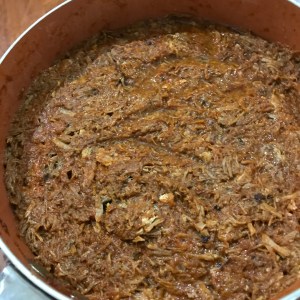
  • Rub pork with cumin and salt. Place all the ingredients in the multi cooker and stir. Select meat on the pressure cooker function. Cook until the pork is tender, approximately 90 minutes. Using slow cooker or pot on the stove method to cook your meat, at least 2- 3 hours until tender.
  • Open the multi cooker or pot and mix all ingredients together, break the meat down. Pork is broken down and shredded.
  • Place lid back on and slow cook for 2 hours.
  • After 1 hour check to make sure you have plenty of moisture if not add another cup of water and mix together.

Preparing Your Masa Its important to remember your liquid to dry ingredient ratio. It will be better if the masa is a little moist than dry.

VIDEO BELOW

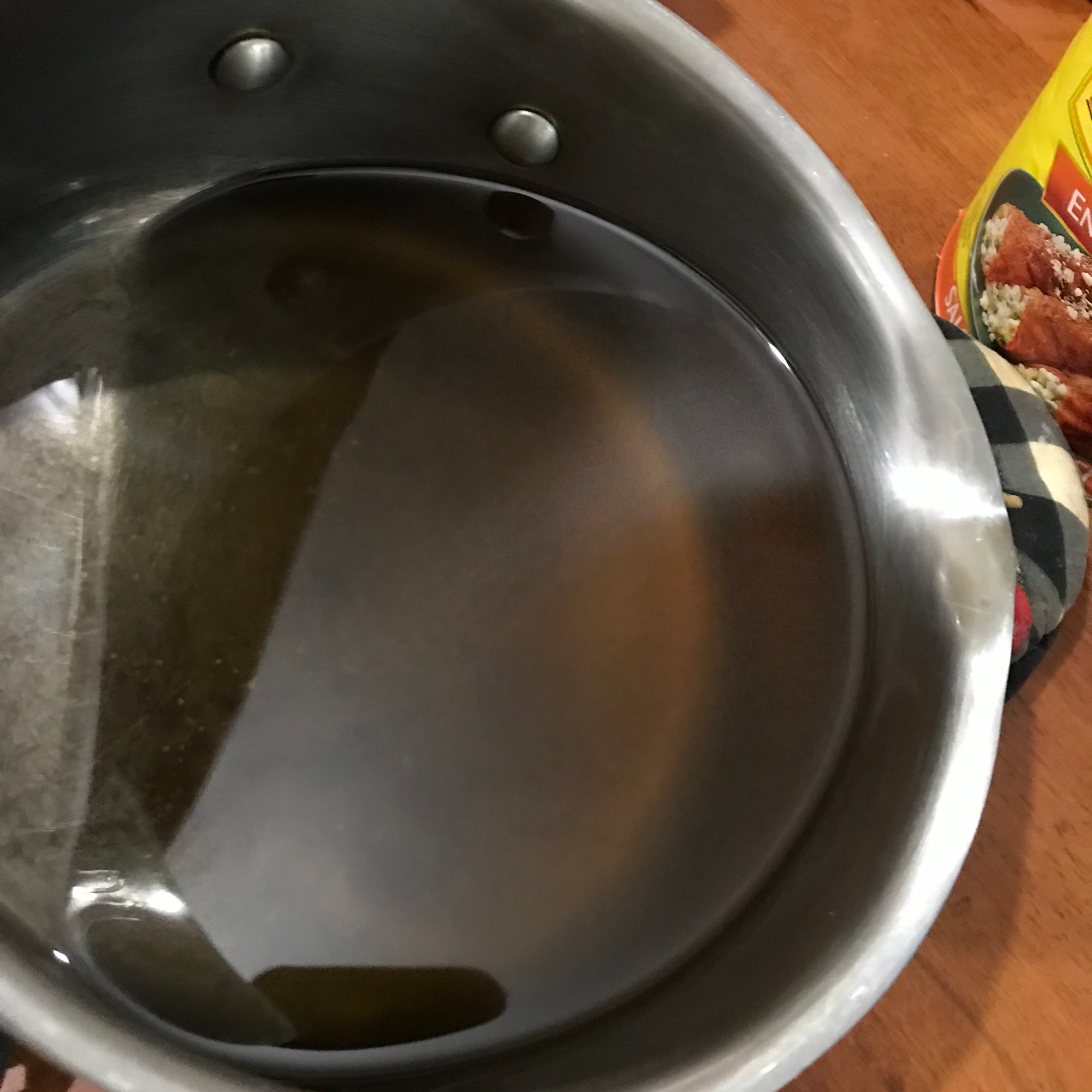
Lard, Manteca or Tallow oil must be tanned to bring out the flavor. By heating the Lard, Manteca or Tallow over medium heat for approximately 15 to 20 minutes. Make sure you watch the lard closely so it does not burn or start on fire. Be very careful handling the hot oil.

As you slowly heat the melted lard up to it will start to turn colors. From a clear liquid to a golden brown. Burn point is 420 degrees so watch it closely. The scent will become more appealing, It will actually smell like a tasty piece of meat. Just remember this aroma is the flavor to your masa. So if the aroma makes your mouth water for a juicy steak, it’s ready. Let it completely cool down to luke warm before using.

Speaking of your liquids. You can use the juices from your boiled meats after removing the fat content, which can be achieved by placing the cooled broth into the refrigerator for a few hours. You can also make your own vegetable or fruit broth to be used for your other tamales.

MASA INGREDEINTS
  • 2 cups Tamal masa mix
  • 2/3 cup Lard, Manteca or Tallow
  • 1 1/3 cup Broth (beef, pork, chicken vegetable) your choice
  • 1 teaspoon baking powder
  • 1 teaspoon salt
DIRECTIONS

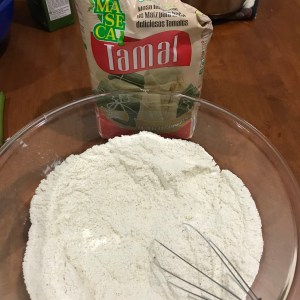
Mix your dry ingredients together (maseca flour, salt and banking powder) in a separate bowl and set to the side.

Add your lukewarm Lard, Manteca or Tallow to a separate large bowl for mixing. Slowly add 1/3 of maseca to the warm oil while gently stirring so the oil doesn’t splash. Continue adding 1/3 of the dry mix until it is mixed well and it is fluffy and light in texture. Cover with damp cloth or saran wrap for 15 minutes. It’s always better to use a larger bowl

After 15 to 20 minutes your masa should be fully hydrated and ready to spread on your corn husks that have been soaking for an hour or longer in warm water.

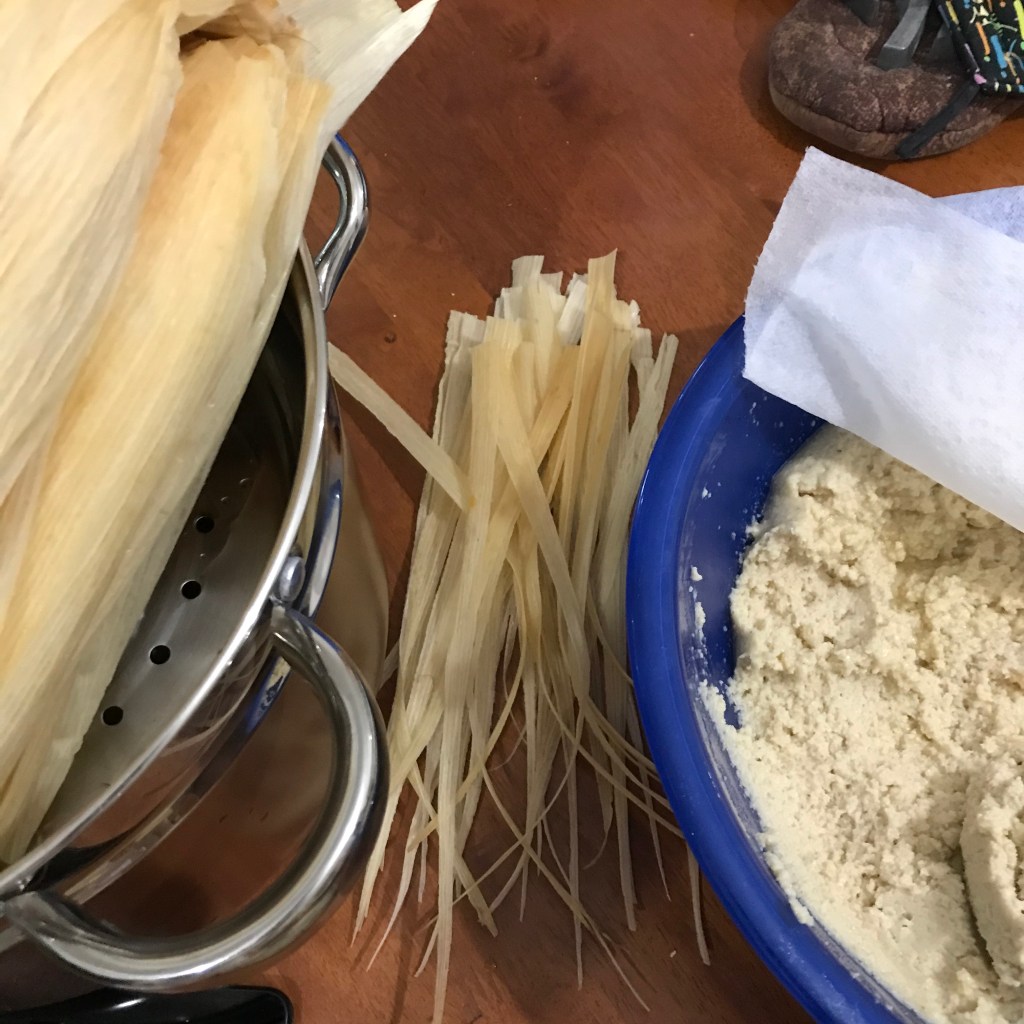
Gather all your ingredients husks, pork, masa and (extra sauce if needed). Make sure to pre-make your ties from smaller husks that wont be used to make the tamales. No waste here.

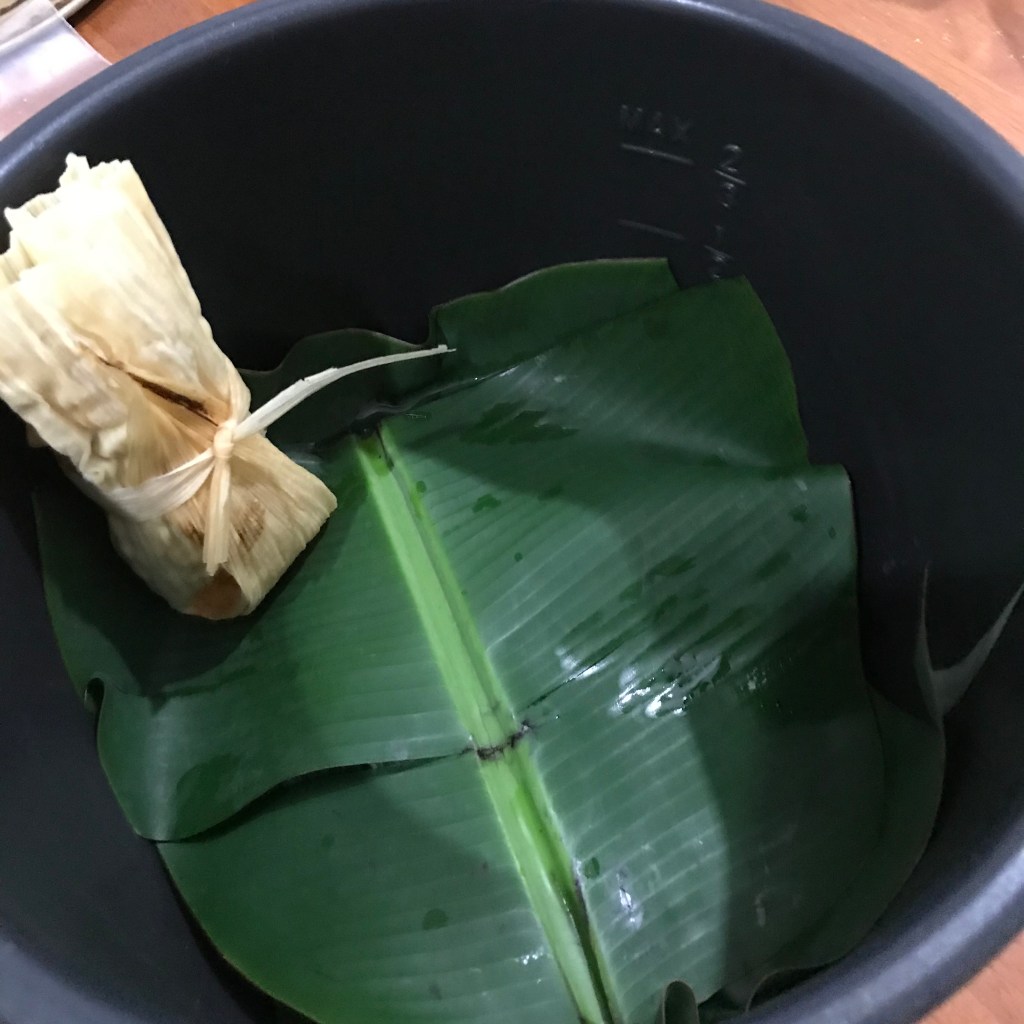
You need to line your pan in this order, #1 water, #2 wire rack and #3 moistened corn husks or banana leaf are last. The water should be right under the rack and not cover the rack or touch the tamales. Less is best and refill when needed. You can put a quarter or spoon in the bottom of the pan so when the water gets low it will sound the alarm so you can add more water. If you need to add water during cooking make sure to pour down the side of the pan so you don’t pour any water on your tamales. Make sure you put the husks or leaf back on top of the tamales. Close the lid and reset your time to finish them.

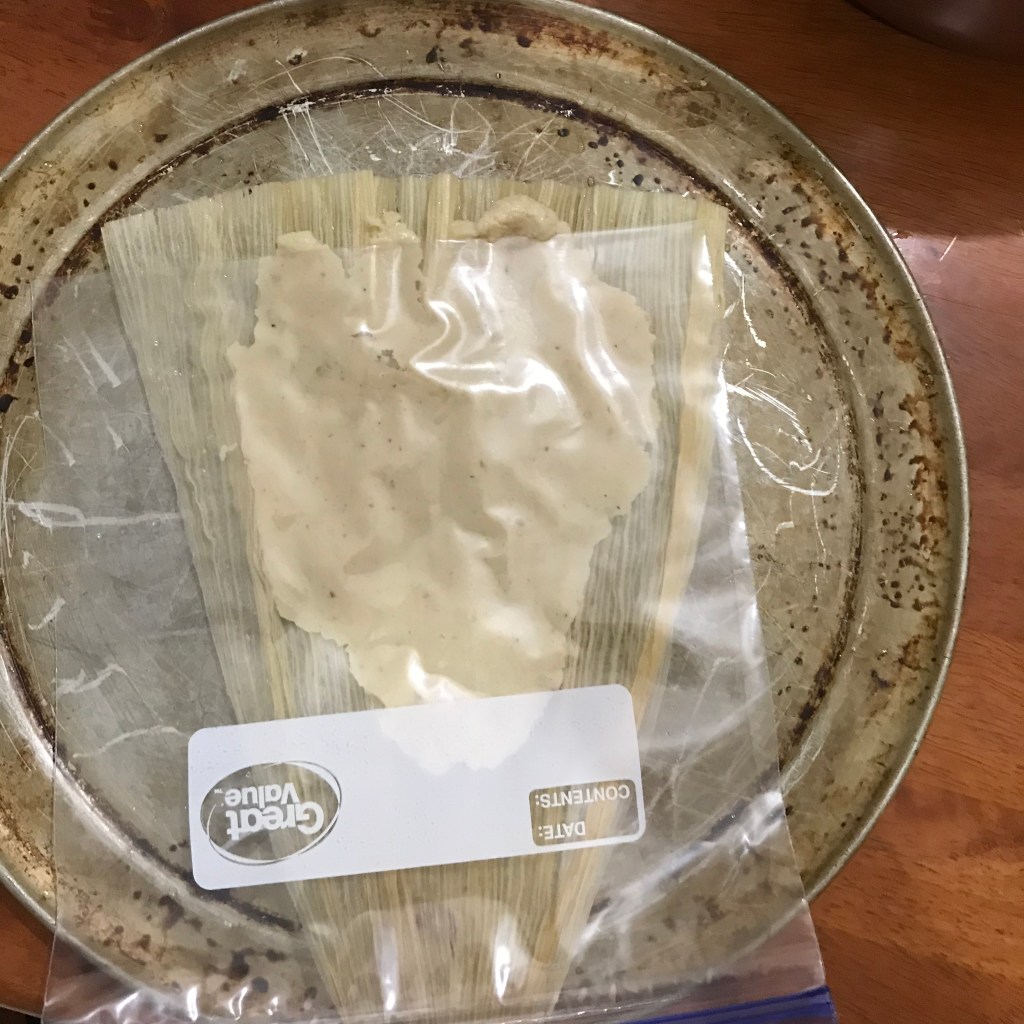
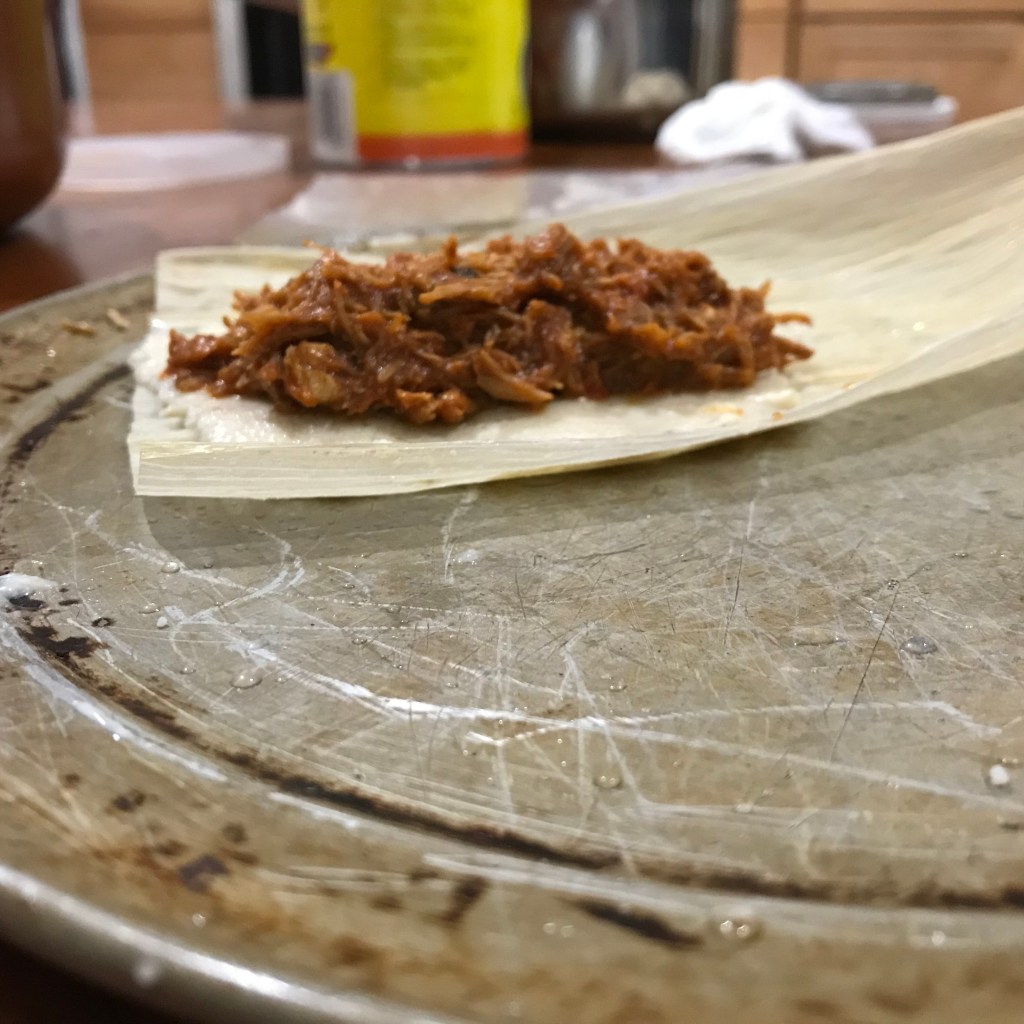
Making the Tamale. Place a corn husk on the plate. Place1 1/2 tablespoon of masa and place baggie or saranwrap over and gently even the dough out. Remove the plastic. Place 1 1/2 tablespoon of meat filling in the center and even it out on the masa. Place one side of the husk over the edge of meat and gently pull the husk away and place the other side of the masa on the edge of other and fold the other husk across and fold the bottom up and tie off. Place it in your pot and your on the way to a delicious meal you have created.

Place the tamales in the pan until full, place moist corn husks or banana leaf over the top. Place in Multi-Cooker or Rice Cooker and set to steam for 45 to 60 minutes or until masa has cooked all the way through. Test by taking one out and see if the masa is firm and easily pulls away from the corn husk. If not put the lid back on and cook for another 15 minutes and check again. Always add only 15 minutes each time you add time. If you are using a pan on the stove you just have to add more water at different intervals and watch it.

Disfruta de tu comida… Man`gia… Enjoy… Bon Appetit

WHAT IS THE PALEO DIET ALL ABOUT?


Seems everyone is moving toward diets on the lighter side. Gluten Free, Dairy Free and Plant Based products are all the rage for a healthy lifestyle for 2020. So todays review is on the Paleo Diet.

The Paleolithic diet, Paleo diet, caveman diet, or stone-age diet is a modern fad diet requiring the sole or predominant eating of foods presumed to have been available to humans during the Paleolithic era.

The digestive abilities of anatomically modern humans, however, are different from those of pre-Homo sapiens humans, which has been used to criticize the diet’s core premise. During the 2.6 million year-long Paleolithic era, the highly variable climate and worldwide spread of human populations meant that humans were, by necessity, nutritionally adaptable. Supporters of the diet mistakenly assume that human digestion has remained essentially unchanged over time.

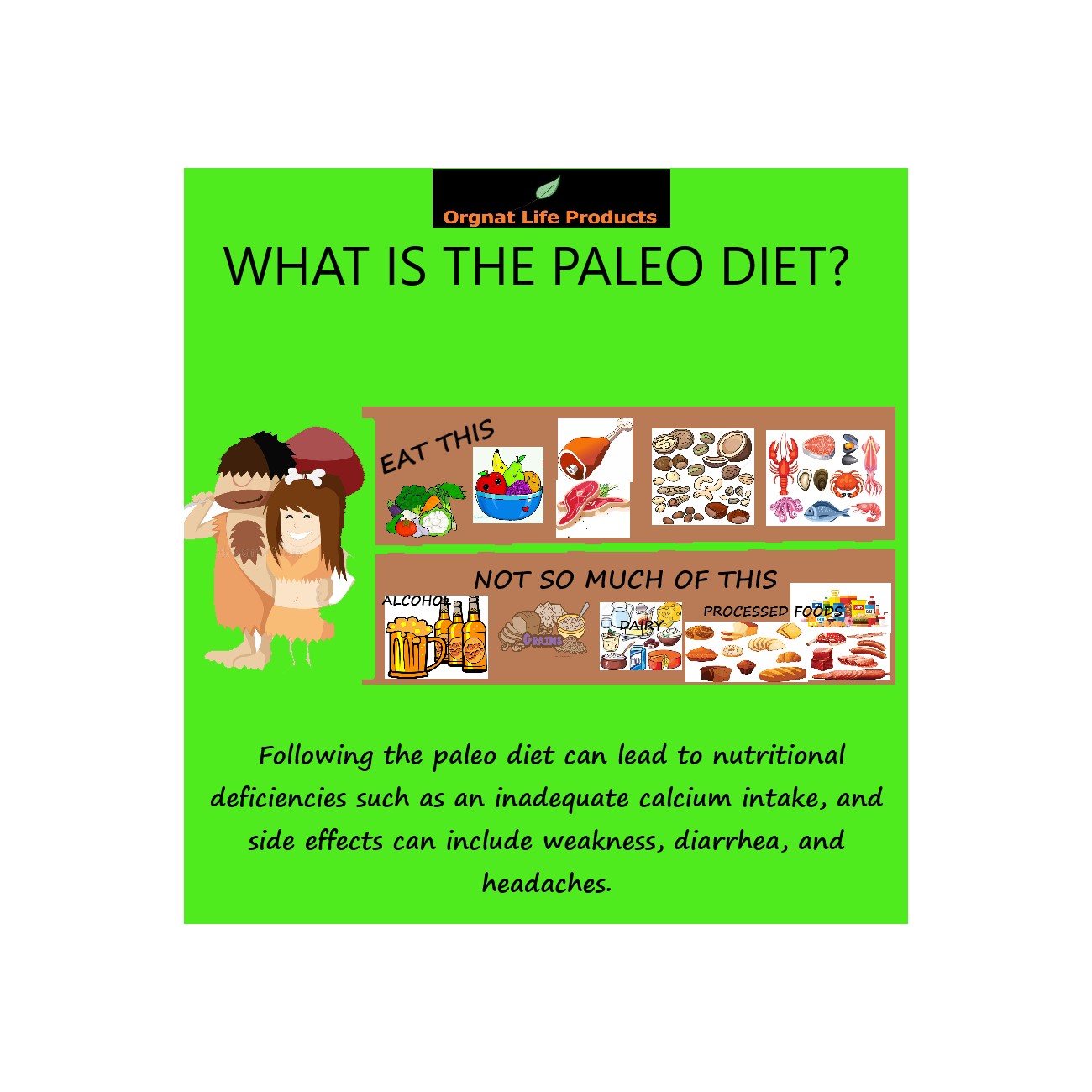
While there is wide variability in the way the paleo diet is interpreted, the diet typically includes vegetables, fruits, nuts, roots, and meat and typically excludes foods such as dairy products, grains, sugar, legumes, processed oils, salt, alcohol, and coffee. [additional citation(s) needed]

The diet is based on avoiding not just processed foods, but rather the foods that humans began eating after the Neolithic Revolution when humans transitioned from hunter-gatherer lifestyles to settled agriculture. The ideas behind the diet can be traced to Walter L. Voegtlin

In the 21st century, the paleo diet was popularized in the best-selling books of Loren Cordain.

The paleo diet is promoted as a way of improving health. There is some evidence that following this diet may lead to improvements in terms of body composition and metabolic effects compared with the typical Western diet or compared with diets recommended by national nutritional guidelines. Following the paleo diet can lead to nutritional deficiencies such as an inadequate calcium intake, and side effects can include weakness, diarrhea, and headaches.

The diet advises eating only foods presumed to be available to Paleolithic humans, but there is wide variability in people’s understanding of what foods these were, and an accompanying ongoing debate. The diet is based on avoiding not just modern processed foods, but also the foods that humans began eating after the Neolithic Revolution.

The scientific literature generally uses the term “Paleo nutrition pattern”, which has been variously described as:

  • “vegetables, fruits, nuts, roots, meat, and organ meats”;
  • “vegetables (including root vegetables), fruit (including fruit oils, e.g., olive oil, coconut oil, and palm oil), nuts, fish, meat, and eggs, and it excluded dairy, grain-based foods, legumes, extra sugar, and nutritional products of industry (including refined fats and refined carbohydrates)”; and
  • “avoids processed foods, and emphasizes eating vegetables, fruits, nuts and seeds, eggs, and lean meats”.

The diet forbids the consumption of all dairy products. This is because milking did not exist until animals were domesticated after the Paleolithic era.

It has been thought that remaining on the Paleo diet can not sustain a healthy diet in 2020. Restricting certain food groups takes away many vitamins and minerals our bodies need to run a healthy life.

If you want to create a healthy lifestyle you can learn to consume healthy quanties of each food group with portion control.

If you sit down and eat a bag of greasy chips instead of eating some fruit, what do you think is going to happen? Your going to intake very little nutritional value. What we want to achieve is balance between all foods.

Now there are two ways of going about creating the perfect eating habits. You can eat small portions of healthy foods all day long and have a largeer meal of your choice or you can have 3 well balanced portioned meals and 2 snacks.

Have you ever noticed that your frozen meals at the store are portioned? Have you ever read the ingredients? Look at the sodium level. Anywhere from 800 to 1600 grams. That is a lot of salt. Simple solution make your own frozen meals. Cheaper and no preservatives.

Not sure if you have seen how much EXTRA yeast they are adding into processed foods. Yeast is no longer just in bread. All most every product has yeast in the ingredients. Sometimes more than once, because of another product in the ingredients has also added yeast to their products.

So if you feel you can no longer control your weight without some kind of pill or diet you still can, just by following a few easy steps. Sure it might seem a bit much until you get a routine down. That won’t take but a couple of times. You can take one day a month or a weekend and prepare meals and stick them in your freezer. All well balanced and healthy.

So think about what you are consuming before you buy it.

DUDE… WHERE’S MY REFUND!!!


Still waiting for your stimulus check from Uncle Sam?

CHECK YOUR STATUS NOW

Official IRS site

For your safety always check the link when using your important information.

WARNING: New Coronavirus Symptom Appears On Skin


Recently, French Dermatologists revealed that they may have stumbled onto a new COVID-19 symptom.

There are many strains, forms or types of this virus that have all originated from one original virus. It has come in many forms over the years. Animal related to human to slaughtering of millions of chickens throughout the world. Now COVID-19 drops in and kills thousands accross the world. Closes many countries including the USA, right when becoming happy and financially secure once again was actually happening.

We already know the usual symptoms are a dry or constant cough, shortness of breath, fever, flu-like symptoms and headaches. All of these are already proven to be COVID-19 symptoms of a person suffering from the COVID-19 virus.

However, newer symptoms related to the corona virus form COVID-19 are starting to appear as scientists, doctors and experts fighting time to get more information to get a handle on this COVID-19 virus.

Now dermatologists in France have found the virus can cause unusual manifestations on the skin that might signal infection.

According to the New York Post, the French National Union of Dermatologists-Venereologists (SNDV), found dermatological signs like pseudo-frostbite, hives, blisters and persistent redness have been associated with COVID-19. The sudden redness can be painful, said the doctors.

FRANCE – SNDV REPORTS in a press release.: “We are alerting the public and the medical profession in order to detect these potentially contagious patients as quickly as possible.
The doctors advised patients to seek medical consultations in the event they experience such symptoms.
According to The Hospitalist, skin manifestations were also observed in one-fifth of a group of patients with COVID-19 in the Alessandro Manzoni Hospital in Lecco, in northern Italy.

Honestly, DOES ANYONE KNOW What We Are Dealing With?

2020 Vs. 2009 INFLUENZA, A VIRUS KILLED 575,400 HUMANS, BARELY A WORD AND TELEVISION DIDN’T CRY “PANDEMIC”…


HERE’S SOMETHING YOU NEED IN YOUR BRAIN… RESEARCH

REALITY of just how many have died from other virus’s. Why all of a sudden does this virus rate so high on a death scale as “PANDEMIC”?

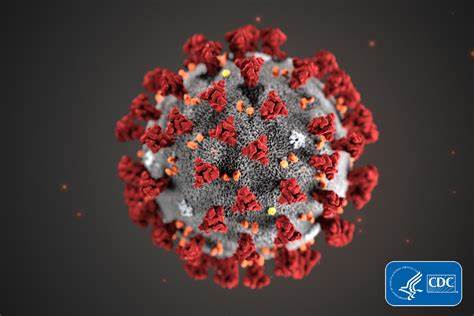
Corona virus has many different strains reported by CDC.

Human Coronavirus Types

Coronaviruses are named for the crown-like spikes on their surface. There are four main sub-groupings of coronaviruses, known as alpha, beta, gamma, and delta.

Human coronaviruses were first identified in the mid-1960s. The seven coronaviruses that can infect people are:

Common human coronaviruses

  1. 229E (alpha coronavirus)
  2. NL63 (alpha coronavirus)
  3. OC43 (beta coronavirus)
  4. HKU1 (beta coronavirus)

Other human coronaviruses

  1. MERS-CoV (the beta coronavirus that causes Middle East Respiratory Syndrome, or MERS)
  2. SARS-CoV (the beta coronavirus that causes severe acute respiratory syndrome, or SARS)
  3. SARS-CoV-2 (the novel coronavirus that causes coronavirus disease 2019, or COVID-19)

People around the world commonly get infected with human coronaviruses 229E, NL63, OC43, and HKU1.

Sometimes coronaviruses that infect animals can evolve and make people sick and become a new human coronavirus. Three recent examples of this are 2019-nCoV, SARS-CoV, and MERS-CoV.

Timeline:
Early 1900s –The avian flu is first identified in Italy.

1961 – The H5N1 strain is isolated in birds in South Africa.

December 1983 – Chickens in Pennsylvania and Virginia are exposed to the avian flu and more than five million birds are killed to stop the disease from spreading.

1997 – Eighteenpeople are infected by the H5N1 strain in Hong Kong, six die. These are the first documented cases of human infection. Hong Kong destroys its entire poultry population, 1.5 million birds.

1999 – Two children in Hong Kong are infected by the H9N2 strain.

February 2003 – Eighty-fourpeople in the Netherlands are affected by the H7N7 strain of the virus, one dies.

February 7, 2004 – Twelve thousand chickens are killed in Kent County, Delaware, after they are found to be infected with the H7 virus.

October 7, 2005 – The avian flu reaches Europe. Romanian officials quarantine a village of about 30 people after three dead ducks there test positive for bird flu.

November 12, 2005 – A one-year-old boy in Thailand tests positive for the H5N1 strain of avian influenza.

November 16, 2005 – TheWorld Health Organization confirms two human cases of bird flu in China, including a female poultry worker who died from the H5N1 strain.

November 17, 2005 – Two deaths are confirmed in Indonesia from the H5N1 strain of avian influenza.

January 1, 2006 – A Turkish teenager dies of the H5N1 strain of avian influenza in Istanbul, and later that week, two of his sisters die.

January 17, 2006 – A 15-year-old girl from northern Iraq dies after contracting bird flu.

February 20, 2006 – Vietnam becomes the first country to successfully contain the disease. A country is considered disease-free when no new cases are reported in 21 days.

March 12, 2006 – Officials in Cameroon confirm cases of the H5N1 strain. The avian flu has now reached four African countries.

March 13, 2006 – The avian flu is confirmed by officials in Myanmar.

May 11, 2006 – Djibouti announces its first cases of H5N1 – several birds and one human.

December 20, 2011 – The US Department of Health and Human Services releases a statement saying that the government is urging scientific journals to omit details from research they intend to publish on the transfer of H5N1 among mammals. There is concern that the information could be misused by terrorists.

July 31, 2012 – Scientists announce that H3N8, a new strain of avian flu, caused the death of more than 160 baby seals in New England in 2011.

March 31, 2013 – Chinese authorities report the first human cases of infection of avian flu H7N9 to the World Health Organization. H7N9 has not previously been detected in humans.

December 6, 2013 – A 73-year-old woman infected with H10N8 dies in China, the first human fatality from this strain

.January 8, 2014 – Canadian health officials confirm that a resident from Alberta has died from H5N1 avian flu, the first case of the virus in North America. It is also the first case of H5N1 infection ever imported by a traveler into a country where the virus is not present in poultry.

April 20, 2015 – Officials say more than five million hens will be euthanized after bird flu was detected at a commercial laying facility in northwest Iowa. According to the US Department of Agriculture, close to eight million cases of bird flu have been detected in 13 states since December. Health officials say there is little to no risk for transmission to humans with respect to H5N2. No human infections with the virus have ever been detected

.January 15, 2016 – The US Department of Agriculture confirms that a commercial turkey farm in Dubois County, Indiana, has tested positive for the H7N8 strain of avian influenza.

January 24, 2017 – Britain’s Department for Environment, Food & Rural Affairs releases a statement confirming that a case of H5N8 avian flu has been detected in a flock of farmed breeding pheasants in Preston, UK. The flock is estimated to contain around 10,000 birds. The statement adds that a number of those birds have died, and the remaining live birds at the premises are being “humanely” killed because of disease.

February 12, 2017 – A number of provinces in China have shut down their live poultry markets to prevent the spread of avian flu after a surge in the number of infections from the H7N9 strain. At least six provinces have reported human cases of H7N9 influenza this year, according to Chinese state media, Xinhua.

March 5-7, 2017 – The USDA confirms that a commercial chicken farm in Tennessee has tested positive for the H7N9 strain of avian flu, but says it is genetically different from the H7N9 lineage out of China. The 73,500-bird flock in Lincoln County will be euthanized, according to Tyson Foods.

February 14, 2018 – Hong Kong’s Centre for Health Protection announces that a 68-year-old woman has been treated for the H7N4 strain. This is the first case of this strain in a human.

June 5, 2019 –Since 2013 there have been 1,568 confirmed human cases and 616 deaths worldwide from the H7N9 strain of avian flu, according to the Food and Agriculture Organization of the United Nations.

WHO IS CRYING WOLF??? WHY IS COVID-19 VIRUS SO MUCH MORE DANGEROUS THAN ANY OF THE OTHERS?

In June 2009, the World Health Organization (WHO) declared the new strain of swine-origin H1N1 as a pandemic. This novel virus spread worldwide and had caused 18,500 laboratory-confirmed deaths with an estimated 151,700 to 575,400 deaths total[3][4] by August of 2010.

On 10 August 2010, the World Health Organization declared the H1N1 influenza pandemic over, saying worldwide flu activity had returned to typical seasonal patterns.

WOW did you ever hear anything hear about that one… Nope Did they shut down the country? NOPE

April 21, 20155:09 PM ET Heard on All Things Considered

NPR REPORTS: Millions Of Chickens are KILLED due to H5N1 Aviary Flu

Dan Charles Twitter

KEEP ACTIVE AND GET IN THE SUN AND BREATH THAT FRESH AIR IN AS MUCH AS POSSIBLE!!!

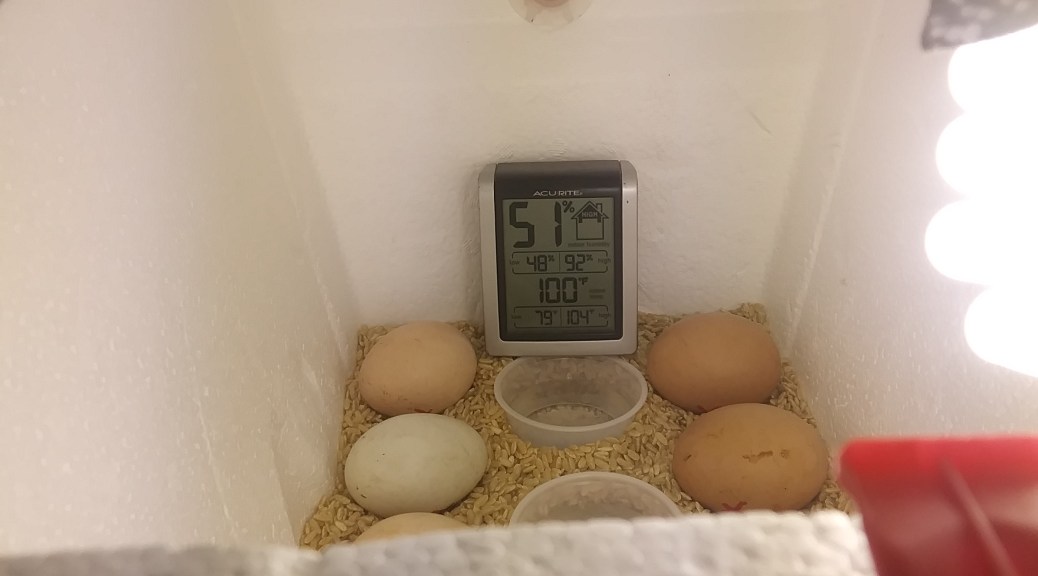
Hatching Chicken Eggs From Scratch…


Are you wanting better eggs for your family?

Right on the kitchen counter till they start to hatch….

It usually takes 21 days for a chicken egg to fully incubate.
A day is the full 24 hours after you put the egg in the incubator
I tend to see external pipping (when the chick starts to break the egg) on day 19, but it can take up to 28 days in some cases.


It’s important to heat up the incubator for 24 hours before you put eggs in to ensure the temperature is correct and stays steady.


Choosing eggs to incubate. Make sure they are fresh and fertile. You have to have a rooster to fertilize the eggs. If you don’t have a rooster you might be able to finds some through your local newspaper or Farm Supply center.

Maintain a temperature between 100°-102° with a still air incubator and 99-99.5 with a forced air incubator.
Keep your humidity between 40-50% days 1-18, then increase to 50%-60% on days 18-21.
Turn your eggs at least 3 times a day from days 1-18, then don’t turn them at all on days 18-21.

Enjoy and have fun with different projects that enhance your life.

What is a Virus?


A virus is a submicroscopic infectious agent that replicates only inside the living cells of an organism. Viruses can infect all types of life forms, from animals and plants to microorganisms, including bacteria and archaea.[1] Since Dmitri Ivanovsky‘s 1892 article describing a non-bacterial pathogen infecting tobacco plants, and the discovery of the tobacco mosaic virus by Martinus Beijerinck in 1898,[2] about 5,000 virus species have been described in detail,[3] of the millions of types of viruses in the environment.[4] Viruses are found in almost every ecosystem on Earth and are the most numerous type of biological entity.[5][6] The study of viruses is known as virology, a subspeciality of microbiology.

By derivative work: MouagipAntigenicShift HiRes.png: National Institute of Allergy and Infectious Diseases (NIAID). – AntigenicShift HiRes.png, Public Domain, Link

An influenza pandemic is a global outbreak of a new influenza A virus that is very different from current and recently circulating human seasonal influenza A viruses. Influenza A viruses are constantly changing, making it possible on very rare occasions for non-human influenza viruses to change in such a way that they can infect people easily and spread efficiently from person to person.

Pigs experimentally infected with the strain of swine flu that caused the human pandemic of 2009–10 showed clinical signs of flu within four days, and the virus spread to other uninfected pigs housed with the infected ones and then to humans.

Influenza Historic Timeline


JUST REMEMBER… This is not the first virus pandemic and it’s not the last…

STRESS will kill you before the virus. So take a deep breath, relax and stay at home where you are safe.

Below is a historical timeline of major scientific and public health events and milestones in influenza prevention recorded by the CDC.

1930s
1940s
  • 1940s: Thomas Francis, Jr., MD and Jonas Salk, MD serve as lead researchers at the University of Michigan to develop the first inactivated flu vaccine with support from the U.S. Army. Their vaccine uses fertilized chicken eggs in a method that is still used to produce most flu vaccines today. The Army is involved with this research because of their experience with troop loss from flu illness and deaths during WWI. This original vaccine only includes an inactivated influenza A virus.
  • 1940s: First-generation mechanical ventilators become available. These machines support breathing in patients suffering respiratory complications.
  • 1940: Influenza B viruses are discovered.
  • 1942: A bivalent (two component) vaccine that offers protection against influenza A and influenza B viruses is produced after the discovery of influenza B viruses.
  • 1944: Use of cell cultures for virus growth is discovered. This allows viruses to be cultured outside the body for the first time. The ability to culture influenza from respiratory secretions allows diagnosis of influenza.
  • 1945: Inactivated influenza vaccine is licensed for use in civilians.
  • 1942: The Communicable Disease Center (CDC) opens in the old offices of the Malaria Control in War Areas, located on Peachtree Street in Atlanta, Georgia with a satellite campus in Chamblee. Launched with fewer than 400 employees, the organization—today the Centers for Disease Control and Prevention–moves to its current main campus on Clifton Road in Atlanta in 1947 after paying $10 to Emory University for 15 acres of land.
  • 1947: During the seasonal flu epidemic of 1947, investigators determine that changes in the antigenic composition of circulating influenza viruses has rendered existing vaccines ineffective, highlighting the need for continuous surveillance and characterization of circulating flu viruses.
  • 1948: The World Health Organization (WHO) Influenza Centre is established at the National Institute for Medical Research in London. The primary tasks of the organization are to collect and characterize influenza viruses, develop methods for the laboratory diagnosis of influenza virus infections, establish a network of laboratories, and disseminate data accumulated from their investigations.
1950s
  • 1952: The Global Influenza Surveillance and Response System (GISRS) is created by WHO to monitor the evolution of influenza viruses. The GISRS network originally includes 26 laboratories.
  • 1956: The CDC’s Influenza Branch in Atlanta is designated a WHO Collaborating Centre for Surveillance, Epidemiology & Control of Influenza.
  • 1957: A new H2N2 flu virus emerges to trigger a pandemic. There are about 1.1 million deaths globally, with about 116,000 in the U.S.
1960s
  • 1960: In 1960, the US Surgeon General, in response to substantial morbidity and mortality during the 1957–58 pandemic, recommends annual influenza vaccination for people with chronic debilitating disease, people aged 65 years or older, and pregnant women.
  • 1961: An outbreak in South Africa raises possibility of wild birds as a possible reservoir for influenza A viruses.
  • 1962: CDC launches the 122 Cities Mortality Reporting System. Each week, the vital statistics office of 122 cities across the U.S. report the total number of death certificates processed and the number of those for which pneumonia or influenza is listed as an underlying or contributing cause of death by age group. The system is retired in October 2016.
  • 1966:  The FDA licenses amantadine, a new antiviral medication, as a prophylactic (preventive medicine) against influenza A. It isn’t effective against influenza B.
  • 1967: Dr. H.G. Pereira and colleagues propose a relationship between human and avian flu viruses after a study shows an antigenic relationship between the 1957 human pandemic A virus and an influenza A virus isolated from a turkey. The study raises the question and triggers the body of work on whether human influenza viruses are of avian origin.
  • 1968: A new H3N2 influenza virus emerges to trigger another pandemic, resulting in roughly 100,000 deaths in the U.S. and 1 million worldwide. Most of those deaths are in people 65 and older. H3N2 viruses circulating today are descendants of the H3N2 virus that emerges in 1968.
1970s
  • An H1N1 (swine flu) outbreak among recruits at Fort Dix leads to a vaccination program to prevent a pandemic. Within 10 months, roughly 25% of the US population is vaccinated (48 million people), about twice the level needed to provide coverage for the at-risk population. Cases of Guillain-Barre syndrome, a neurologic condition that in rare instances has been associated with vaccination, among vaccine recipients appeared to be in excess of what was expected, so officials determine the vaccination program should be halted.  1981: CDC begins collecting reports of influenza outbreaks from state and territorial epidemiologists.
1980s

The AIDS epidemic, caused by HIV (Human Immunodeficiency Virus), found its way to the United States as early as 1960, but was first noticed after doctors discovered clusters of Kaposi’s sarcoma and pneumocystis pneumonia in gay men in Los Angeles, New York City, and San Francisco in 1981. Treatment of HIV/AIDS is primarily via a “drug cocktail” of antiretroviral drugs, and education programs to help people avoid infection.

  • Initially, infected foreign nationals were turned back at the U.S. border to help prevent additional infections. The number of U.S. deaths from AIDS have declined sharply since the early years of the disease’s presentation domestically. In the United States in 2016, 1.1 million people aged over 13 lived with an HIV infection, of whom 14% were unaware of their infection.
  • As of 2016, about 675,000 people have died of HIV/AIDS in the U.S. since the beginning of the HIV epidemic, and even today, nearly 13,000 people with AIDS in the United States die each year. [3]
  • With improved treatments and better prophylaxis against opportunistic infections, death rates have quite significantly declined.[4]
  • The overall death rate among persons diagnosed with HIV/AIDS in New York City decreased by sixty-two percent from 2001 to 2012.
1990s
  • 1993: The Vaccines for Children (VFC) Program is established as a result of a measles outbreak to provide vaccines at no cost to children whose parents or guardians might not be able to afford them. The program increases the likelihood of children getting recommended vaccinations on schedule.
  • 1993: The costs of influenza vaccine become a covered benefit under Medicare Part B.
  • 1994: Rimantadine, derived from amantadine, is approved by the FDA to treat influenza A.
  • 1996: An avian influenza H5N1 virus is first isolated from a farmed goose in China.
  • 1997: The first human infection with an avian influenza A H5N1 virus is identified in Hong Kong.
  • 1997: FluNet, a web-based flu surveillance tool, is launched by WHO. It is a critical tool for tracking the movement of flu viruses globally. Country data is updated weekly and is publically available.
  • 1998: Influenza virus surveillance in swine, conducted by the US Department of Agriculture, begins in the United States. A virus that is a hybrid of human, bird and swine flu viruses is detected in pigs. This virus becomes the dominant flu virus in U.S. pigs by 1999.
  • 1999: A pandemic planning framework is published by WHO emphasizing the need to enhance influenza surveillance, vaccine production and distribution, antiviral drugs, influenza research and emergency preparedness
  • 1999: The neuraminidase inhibitors oseltamivir (Tamiflu®) and zanamivir (Relenza®) are licensed to treat influenza infection.
2000s
  • April 2002: The Advisory Committee on Immunization Practices (ACIP) encourages that children 6 to 23 months of age be vaccinated annually against influenza.
  • 2003: Public health officials are concerned about a re-emergence of H5N1 avian influenza reported in China and Vietnam.
  • June 2003: The first nasal spray flu vaccine is licensed.
  • 2004: The National incident Management System (NIMS) is established to coordinate response for public health incidents that require actions by all levels of government, as well as public, private, and nongovernmental organizations.
  • 2005: The US. Government National Strategy for Pandemic Influenza is published
  • 2005: The entire genome of the 1918 H1N1 pandemic influenza virus is sequenced
  • 2006: CDC stops recommending adamantanes during the 2005-2006 season after high levels of resistance among influenza A viruses. In the US, resistance increased from 1.9% during the 2003-2004 season to 11% in the 2004-2005 season.
  • 2006: The National Strategy for Pandemic Influenza Implementation Plan is published. The document outlines U.S. preparedness and response to prevent the spread of a pandemic.
  • 2007: The American Veterinary Medical Association (AVMA) establishes the One Health initiative Task Force, an effort to attain optimal health for people, animals, and the environment.
  • 2007: The American Medical Association unanimously approves a resolution calling for increased collaboration between human and veterinary medical communities. The term ‘one health,’ which looks at the interactions between animal and human health, enters the medical and scientific lexicon.
  • 2007: The One Health approach is recommended for pandemic preparedness during the International Ministerial Conference on Avian and Pandemic Influenza
  • 2007: FDA approves the first U.S. vaccine for people against an avian influenza A(H5N1) virus.
  • 2007: Human infection with a novel influenza virus is added to the nationally notifiable disease list
  • 2008:  ACIP expands its influenza vaccination recommendation to include vaccination of children ages 5-18 years.
  • 2008: HHS Pandemic Influenza Operational Plan is published
  • 2008: CDC receives US Food and Drug Administration approval for a highly sensitive influenza polymerase chain reaction (PCR) assay. These tests can detect influenza with high specificity that enhances diagnosis and treatment options.
  • 2008: The Influenza Reagent Resource (IRR) is established by CDC to provide registered users with reagents, tools, and information to study and detect influenza viruses
  • April 17, 2009:  A new H1N1 virus is detected in the U.S.
  • CDC begins working to develop a virus (called a candidate vaccine virus) that could be used to make vaccine to protect against this new virus.
  • April 25, 2009: The World Health Organization (WHO) declares a public health emergency of international concern.
  • June 11, 2009: WHO officially declares the new 2009 H1N1 outbreak a pandemic.
  • 2009: CDC begins a complex and multi-faceted response to the H1N1 pandemic which lasts more than a year.
  • 2009: Physicians use point of care rapid immunoassay tests to provide influenza results within 15 minutes during the H1N1 pandemic
  • October 5, 2009: The first doses of monovalent H1N1 pandemic vaccine are administered.
2010s
  • August 10, 2010: WHO declares an end to 2009 H1N1 influenza pandemic.
  • 2010:  The ACIP recommends annual influenza vaccination for those 6 months of age and older.
  • 2012: Vaccines containing cell-cultured virus become available. Even though eggs continue to be the primary means of production, cell culture emerges as an alternative method for producing influenza vaccines.
  • 2012: WHO makes first vaccine composition recommendation for a quadrivalent vaccine.
  • 2012: CDC partners with Association of Public Health laboratories to define the optimal right size for influenza virologic surveillance. The project produces right-size calculators; statistical tools that help states determine the optimal amount of influenza testing needed for desired confidence levels of surveillance.
  • 2014: The FDA approves peramivir (Rapivab) to treat influenza in adults. It is the first IV flu medication.
  • 2017: CDC updates guidelines for use of non-pharmaceutical measures to help prevent spread of pandemic influenza based on latest scientific evidence. These are actions that individuals and communities can take to help slow spread of the flu like staying home when sick, covering a cough or sneeze, and frequently washing hands.

2020 COVID-19 Information still to be recorded

PLAIN ASS TRUTH…


Leave your Air Conditioning off and open your doors and windows.

Same for your car… Leave the windows down and air condition off. Heat on is great.

Go Outside and sit in the sun!!!

DO NOT DUMP YOUR PETS. EDUCATE and KEEP THEM SAFE WITH YOU…


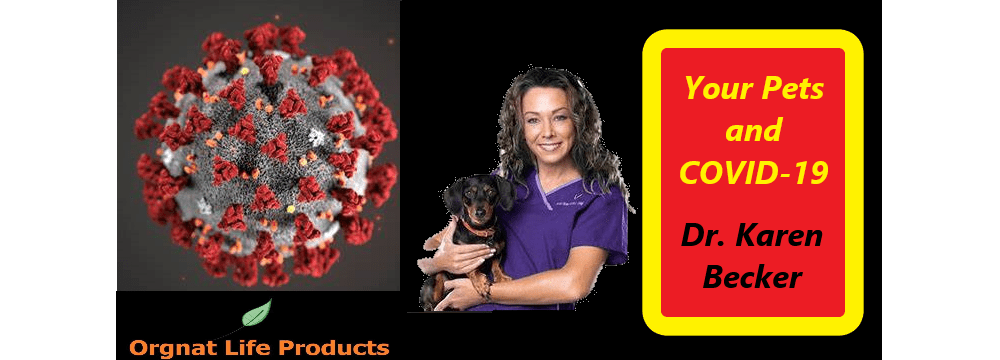
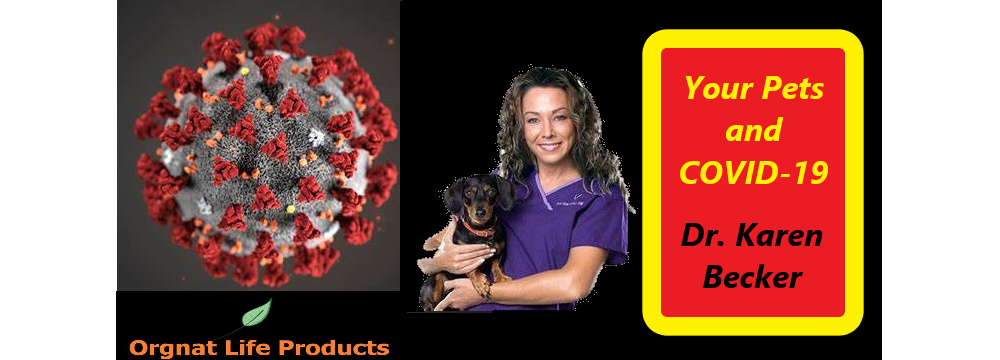
Get The Answers You Need About Your Pets and COVID-19 With Dr. Karen Becker

It’s important to keep in mind that at the present time this is an ever-evolving situation rife with competing theories and conspiracies, widespread mis- and disinformation, politics, etc. My goal today is to update you about what we know at this point regarding COVID-19 and furry family members.

Animals and COVID-19

According to veterinary publication dvm360, there are reports of animals being abandoned or killed because their owners fear they might harbor COVID-19.1 This is an absolutely unnecessary and tragic situation.

While it’s clear we’re still learning about this virus, at this time the WHO website maintains this particular type of coronavirus can be transmitted from human to human. From the OIE World Organisation for Animal Health Questions and Answers on the 2019 Coronavirus Disease (COVID-19) webpage:2

“Are animals responsible for COVID-19 in people?

The predominant route of transmission of COVID-19 appears to be from human to human.

Current evidence suggests that the COVID-19 virus has an animal source. Ongoing investigations are important for identifying the animal source (including species involved) and establishing the potential role of an animal reservoir in this disease. Yet, to date, there is not enough scientific evidence to identify that source or to explain the route of transmission from an animal source to humans.

Genetic sequence data reveals that the COVID-19 virus is a close relative of other CoV found circulating in Rhinolophus bat (Horseshoe Bat) populations. There is the possibility that transmission to humans involved an intermediate host.

Priorities for research to investigate the animal source were discussed by the OIE informal advisory group on COVID-19 and were presented at the WHO Global Research and Innovation Forum (11-12 February 2020) by the President of the OIE Wildlife Working Group. The outcomes from the discussion of the OIE informal advisory group on COVID-19 can be found at the link.”

Pets, COVID-19, and Confirmed Infection in One Dog in Hong Kong

Also from the OIE World Organisation for Animal Health Questions and Answers on the 2019 Coronavirus Disease (COVID-19) webpage:3

“What do we know about COVID-19 virus and companion animals?

The current spread of COVID-19 is a result of human to human transmission. To date, there is no evidence that companion animals can spread the disease. Therefore, there is no justification in taking measures against companion animals which may compromise their welfare.

The Veterinary Services of the Hong Kong Special Administrative Region of the People’s Republic of China reported to OIE evidence that a dog had tested positive to the COVID-19 virus following close exposure to its owners who were sick with COVID-19 – see Immediate Notification (03/01/2020) and Follow-up report no.1 (03/08/2020).

The test, conducted by real time PCR, showed the presence of genetic material from the COVID-19 virus. The dog [a 17-year-old Pomeranian] was not showing any clinical signs of the disease.

There is no evidence that dogs play a role in the spread of this human disease or that they become sick. Further studies are needed to understand if and how different animals could be affected by COVID-19 virus. The OIE will continue to provide updates as new information becomes available.

There is no evidence to support restrictions to movement or trade of companion animals.”

According to a post on March 9th in PetfoodIndustry.com:

“Veterinarians confirmed that the coronavirus had infected the dog too after taking nasal, oral and rectal swabs, along with fecal samples. The World Organization for Animal Health (OIE) published a report of the emerging disease, listing this case as the first known in dogs.

Nasal and oral samples tested positive for the presence of severe acute respiratory syndrome coronavirus 2 (SARS-CoV-2), the name of virus responsible for COVID-19. However, the dog hasn’t shown any outward signs of illness. Follow-up oral and nasal samples taken on March 2 and 5 continues to test positive.

Doctors and veterinarians don’t know if the COVID-19 virus has the potential to be zoonotic, or transmitted from dogs to people.

Doctors don’t know if the dog got the virus directly from its owner, or through an intermediary species. Likewise, doctors don’t know how the virus was transmitted to the dog, whether by airborne particles, direct contact or bodily fluids.

In Hong Kong, health authorities quarantine mammalian pets from households with confirmed human cases of COVID-19 and place the animals under veterinary surveillance for 14 days, according to the report.”4

Why Pet Parents Should NOT Hit the Panic Button

Many veterinarians have called for calm after the announcement, reminding owners this doesn’t mean dogs can get sick from the virus or transmit it back to humans. Panic makes people do foolish, regrettable things, which is what has occurred in Wuhan. From a March 4th post in the Whole Dog Journal:

“Tragically, within days [of the report of the single infected dog], there were reports of a record number of dogs and other pets being abandoned in China’s streets, and thousands of pets being surrendered to overwhelmed animal shelters — despite the fact that there is no indication that the COVID-19 virus is zoonotic.

Time magazine reports that the crisis for pet dogs and cats is the worst in Wuhan, the capital city of the Hubei province where the first cases of COVID-19 are believed to have emerged. Time reports that when a person in Wuhan is found to have COVID-19, the authorities kill all animals in the home as a precaution.

This report was corroborated by a reporter for the BBC (British news service):

‘Volunteers in China say they’re struggling to keep up with the number of animals being abandoned as the country battles the virus outbreak. More than 2,000 people in China have died and more than 78,000 infections have been reported in the country.

Pet owners who fall sick or are caught up in quarantine can’t take their animals with them, and despite reassurance from the World Health Organization that animals can’t carry the virus, others are being dumped.’”5

The Centers for Disease Control is now advising people with COVID-19 to avoid close contact with their pets, but on February 28th, Dr. Jonathan Ball at the University of Nottingham has called the widespread panic about the news “incredibly irresponsible”:

“There is no evidence that the human novel coronavirus can infect dogs and it would be incredible for a virus to make so many species jumps in such a short space of time!

We have to differentiate between real infection and just detecting the presence of a virus – these are very different – and the fact that the test result was weakly positive would suggest that this is environmental contamination or simply the presence of coronavirus shed from the human contact that has ended up in the dog’s samples.

In truth this is incredibly irresponsible because the last thing we need to do is create mass hysteria about the possibility of dogs being infected, and therefore potentially transmitting this virus when there is absolutely no evidence for this whatsoever.”6

If You’re a Pet Parent, Do This Instead

From the American Veterinary Medical Association (AVMA) COVID-19 website:

“The precise meaning of the positive test result from the one dog remains unclear and further evaluation is ongoing. Hong Kong officials said that dog continues to show no clinical signs of illness, remains under quarantine and is being cared for, and will continue to be monitored and tested.

We will keep you updated you as we learn more. At this time, the CDC, the World Health Organization (WHO), and the World Organisation for Animal Health (OIE) say there is no evidence that companion animals, including pets, spread COVID-19.

As always, it’s a good idea to wash your hands after being around animals, and animal owners should continue to include pets and other animals in their emergency preparedness planning, including keeping a two-week supply of food and medications on hand.”7

If someone in your household is diagnosed with the virus and you feel additional precautions are necessary, the following is from the CDC:

“Considerations for COVID-19 patients under home care and isolation who have pets or other animals:

People with COVID-19 should be advised to tell their public health point of contact that they have pets or other animals in their home.

In addition to other prevention measures, people with COVID-19 who are identified by public health officials as requiring home care and isolation should be advised to limit interaction with pets and other animals.

Specifically, while these people are symptomatic, they should maintain separation from pets as they would with other household members, and avoid direct contact with pets, including petting, snuggling, being kissed or licked, and sharing food. Service animals should be permitted to remain with their handlers.

If possible, a household member should be designated to care for pets in the home. If the individual in home care and isolation must care for pet(s), including service animals, they should ensure they wash their hands before and after caring for pets and wear a facemask while interacting with pets, until they are medically cleared to return to normal activities.”8

Nature to the Rescue?

The race is on to not only learn more about how COVID-19 affects other species but for biotech companies to produce a slew of pharmaceutical products in response to this latest disease outbreak.

Interestingly, the most accessible and effective treatment may already exist at your local health food store. Dr. Michel Chrétien’s Montreal laboratory is testing quercetin, an all-natural extract from plants, and its derivatives, as a possible “broad spectrum” antiviral medication. Clinical trials began in China a few weeks ago.9

Dr. Mercola has also published important recent articles on this topic, on February 24th: Vitamin C Works for Sepsis. Will It Work for Coronavirus? and on March 9th: Essential Nutrition to Protect Yourself From Coronavirus

FOLLOW Dr. Karen Becker VM, @Healthy Pets at Mercola

IS THERE DANGER? Organic CBD VS. Synthetic


Organic CBD VS. Synthetic Crystal Science?


The FDA has stated that CBD is not a treatment for serious illnesses such as cancer, Diabetes and Alzeheimer’s.


CBD can take any where from 30 minutes to four hours to take effect. The effects can last up to 6 to 8 hours.

Over Dosing America

So if that chewy cookie contains 30 milligrams and the adult reccomended adult dosage is 5 milligrams, if you eat the entire cookie you will be over dosing yourself.


What CBD does treat is in lotions for pain releif, tinctures for pain relief and stomach issues. These products along with the edibles have been said to releive many ailments.

Recreational Users: Dont be fooled about the potency. If you are inhaling THC from smoking the product, edibles with CBD is much more potent and a different “High”.

Where THC can treat MANY bI pOLAR, aNXIETY, pANIC aTTACK mental issues by just smoking to calm someone

Cancer patients use THC by consuming and smoking the product. Patients releave nausea and increase their apatite also by smoking.

According to KUSH.COM:

Over the past decade, the cannabis- and hemp-derived compound cannabidiol (CBD) as well as other cannabinoids have taken center stage in the ongoing revolution of natural medicine. This is mostly due to the work of medical researchers, who through numerous independent studies have found evidence of various medicinal and therapeutic properties in CBD. Today, both natural and synthetic CBD is commonly used around the world to ameliorate symptoms of a wide variety of disorders. These include:

  • Chronic pain disorders such as arthritis
  • Seizures and epilepsy
  • Sleep disorders and insomnia
  • Inflammatory disorders such as gout or IBD
  • Anxiety disorders
  • Vascular and circulatory problems

It’s worth noting that evidence of CBD’s potential health benefits recorded in scientific literature are from studies analyzing pharmaceutical-grade CBD, which is very different from the CBD products available to the public. As of this writing, there is only one CBD oil approved by the FDA for prescription: a product called Epidiolex. Physicians are still generally hesitant to prescribe CBD, and usually recommend it as a supplementary form of home medication.

Naturally-Sourced CBD: Where It Comes From & Why That’s a Good Thing

Aside from the work of medical researchers, there is an impressive amount of anecdotal evidence supporting the idea that naturally-sourced CBD products can reduce or improve the severity of symptoms related to a variety of conditions; from panic attacks to obsessive compulsive disorder.

Some independent studies have even found that naturally-sourced CBD can cause appreciable improvement in symptoms related to the early stages of dementia, such as mood swings, aggravation and disruption of circadian rhythms. This is due in large part to the fact that natural CBD comes from two plants chock-full of health-positive compounds: cannabis and hemp.

KUSH.COM ALSO SAID:

The Dangers of Synthetic CBD & Natural Cannabinoid Analogs

With the skyrocketing popularity of the legal whole-plant cannabis industry, several companies have sought to simultaneously increase profits and reduce production time by creating synthetic CBD and cannabinoids. These are man-made chemicals typically synthesized with either fluoride or bromide, and designed to emulate the effects of naturally-sourced CBD and cannabinoids. They are then touted as “just as effective” with “no side effects.”

A key study by the Journal of Medical Phyto Research in Los Gatos, California analyzed the catabolic enzyme production of two control groups over 22 weeks; the first taking natural CBD and the second taking synthetic CBD. The second group showed dangerous levels of Alanine Amino Transferase (ALT) and Aspartate Amino Transferase (AST), two enzymes recruited to remove the synthetic CBD from their bodies. The study concluded that the human body is not equipped to properly catabolize synthetic cannabinoids.

In the summer of 2018, the FDA issued a statement warning of the “significant health risks of synthetic cannabinoid products” and linked their usage to “severe illnesses and even deaths” in several cases over the past few months in a number of states across America.

FULL ARTICLE

So the proof is there for safe use of CBD and THC for many different illnesesses.

APPLE CINNAMON COFFEE CAKE


Prep Time: 20 minutes
Cook Time: 25 to 35minutes
Total Time: 55 minutes
Yield: 12 servings
Skill Level: Easy
Kitchen Appliance: Oven

Apple Cinnamon Coffee Cake

Ingredients

1/2 cup butter room temperature (1 Stick Butter or 4 ounces)
1 cup sugar
1 teaspoon vanilla extract
2 eggs
1 3/4 cups all-purpose flour
2 teaspoons baking powder
1/2 teaspoon salt (you can omit if you used salted butter)
1/2 cup water
2 tablespoons powdered sugar (to sprinkle on cake before serving)

1 cup Cinnamon Apple Filling Directions

Directions

Preheat the oven to 375°F
Grease 9″ x 9 cake pan with vegetable oil and flour
Cream the butter, sugar and vanilla together in a large bowl.
Add the eggs, one at a time, beating well after each addition.
Add the water make sure it is at room temperature. Add the flour, baking powder and salt. Mix all together beating well.
Spread a layer of the batter evenly into the pan. (use 3/4 of the batter)
Spread the cinnamon apple fillings on top of the batter. Spread the left over batter on top of filling.

Bake 25 to 35 minutes. Test with tooth pick at 30 minutes
Remove from oven cool on rack for at least 30 minutes
Cut the length of cake and then cut your cake into 12 squares

Make a powder sugar glaze or lightly sprinkle powder sugar over top right before serving.

TIME TO PAY ATTENTION PEOPLE… NEW DANGERS WITH COVID-19?


SOURCE: MAYO CLINIC

Español

A new study suggests that the novel coronavirus(check out the video) COVID-19 can remain in the air for up to three hours, and live on surfaces such as plastic and stainless steel for up to three days.

Pre-existing conditions among people who are more likely to be affected included

  • diabetes
  • cancer
  • chronic lung disease
  • chronic heart disease
  • chronic kidney disease

Some infected people had mild symptoms (such as cold-like symptoms) or no symptoms at all.

AYUDO A CONTROLAR EL VIRUS COVID-19 LAVANDO MIS MANOS MUCHAS.


Las Manos a Lavar – Gallina Pintadita 3 – Oficial – Canciones infantiles para niños y bebés

Los Centros para el Control y la Prevención de Enfermedades (CDC) están vigilando de cerca un brote de enfermedad respiratoria causada por un nuevo coronavirus que se identificó por primera vez en Wuhan, en la provincia de Hubei, en China. Esta es una situación emergente que está cambiando rápidamente y los CDC continuarán brindando información actualizada a medida que esté disponible. Los CDC trabajan a toda hora para proteger la salud de las personas. Es función de los CDC preocuparse y actuar rápidamente cada vez que haya un problema potencial para la salud pública. Hay información adicional sobre la respuesta de los CDC al  COVID-19 en inglés. Leer Más

  • Las Manos a Lavar (Letra):
  • La, la, la las manos a lavar
  • A lavar La, la, la las manos
  • a lavar A lavar Para tomar un pan Las manitas,
  • a lavar Antes de comer el lunch Las manitas,
  • a lavar Si fuiste al baño, entonces…
  • Las manitas, a lavar Si tocaste algo sucio en suelo Las manitas,
  • a lavar A lavar las manos
  • Chic, chic, chic
  • A lavar las manos
  • Chic, chic, chic
  • La, la, la, la las manos a lavar
  • La, la, la las manos a lavar
  • A lavar La, la, la las manos a lavar
  • A lavar Al llegar de un paseo
  • Si fuiste al baño
  • Si tomaste el autobús
  • Si jugaste en el piso
  • Espuma, espuma y manos a lavar
  • © Bromelia Produções

CARTOON HUMOR: WASH YOUR HANDS… LAVA LAS MANOS`


MUST SEE VIDEO… TiKToK CORONAVIRUS SONG GONE VIRAL lol


coronavirus song vietnam health department
VIDEO BELOW STORY


Vietnamese Corona virus TikTok songs taking over the internet as a challenge.

Thanks to YouTuber: Nikki Châu Ngọc Trân who translated this into English.

IN HER OWN WORDS, Nikki Châu Ngọc Trân

Hi everyone. I came across the video and liked it so much, I translated the lyrics into English and add as subtitles. The original video is here: https://www.youtube.com/watch?v=BtulL….

My English translation is here. Vietnamese original text is below. I took some tiny creative license with the translation to make the text flow in English, such as “fight coronavirus” instead of “push back coronavirus”.

VIDEO CONTEXT:
Ghen means jealous. Cô Vy appears to be a word play on Covid. Cô means lady. Vy is a common Vietnamese name. The video is portraying the virus as someone who’s trying to come between a couple. At the beginning of the video the couple was fighting and at the end they came together. And yes, the video does perpetuate gender roles. (This song is based on another song the same musicians made: https://www.youtube.com/watch?v=Vk8_0…)

TRANSLATED TEXT:
“‘Ghen Cô Vy’ is creation of the Vietnamese Institute of Occupational and Environmental Health, in collaboration with musicians Khac Hung, Min, and Erik.

Through this project, we aim to empower and strengthen trust in the community, so that we can join hands to combat COVID-19 (aka nCoV-2019).

In this critical moment of fighting the virus, we hope the song will ignite our spirits and reduce stress for the frontline fighters of this war: the team of experts, physicians, health workers and millions of other workers who are in the frontline of exposure and daily struggle with this disease.

Let our community take the initiative in implementing preventive habits as recommended by health experts, and let us spread goodness and kindness to win the disease together.”

CREDITS:
Producer: Institute of Occupational and Environmental Health
Music & Lyrics: Khắc Hưng
Singer: Min x Erik
Visual: Yang Animation Artist

ORIGINAL VIETNAMESE TEXT:
“‘Ghen Cô Vy’ là 1 dự án sáng tạo của Viện Sức khoẻ nghề nghiệp và môi trường, hợp tác với nhạc sĩ Khắc Hưng , ca sĩ Min và ca sĩ Erik.

Qua dự án này, chúng tôi mong muốn được tiếp thêm sức mạnh và niềm tin cho cộng đồng, để chúng ta cùng chung tay chống dịch COVID-19 (hay còn gọi là nCoV-2019).

Trong thời khắc quan trọng chiến đấu với dịch bệnh này, chúng tôi mong ca khúc có thể truyền thêm lửa và bớt chút căng thẳng cho những chiến sĩ tuyến đầu của cuộc chiến này. Đó là đội ngũ chuyên gia, các y bác sĩ, các nhân viên y tế và hàng triệu người lao động, những người ở tiền tuyến vẫn tiếp xúc và đấu tranh hàng ngày với dịch bệnh.

Cộng đồng chúng ta hãy cùng nhau chủ động thực hiện các thói quen phòng bệnh theo khuyến cáo của các cơ quan chuyên môn và lan toả những điều tử tế, tốt đẹp để cùng nhau chiến thắng dịch bệnh.”

“Jealous Coronavirus” music video from Vietnamese Health Dept. w/ English subtitles

https://youtu.be/6Ud_MP3dj7k


COOKING 101: ULTIMATE LOW SUGAR BANANA NUT BREAD


When I say ULTIMATE I mean only 3/4 cup Brown Sugar and NO vegetable oil.

ULTIMATE LOW SUGAR BANANA NUT BREAD

This recipe is the best banana nut bread I have tested lately. In the past year I have made 11 banana nut bread recipes.

This recipe is so full of natural flavor without all the sugar. You can taste the hint of cinnamon and vanilla.

There is no Rancid vegetable oil in this recipe either. I am switching out all vegetable oils for animal fat rich butter, lard and what ever else I can try.

This is a very dense, but fluffy quick bread

This slideshow requires JavaScript.


Prep Time: 20 to 30 minutes
Cook Time: 60 to 65 minutes
Total Time: 95 minutes
Yield: 8 servings +
Skill Level: Beginner / Easy
Kitchen Appliance: Food Processor, Mixer or by hand and Oven

Ingredients

  • 2 cups all-purpose flour or what ever flour you want to use
  • 1 teaspoon baking soda
  • 1/4 teaspoon salt
  • 1/2 teaspoon ground cinnamon
  • 1/2 cup (1 stick) unsalted butter, softened to room temperature
  • 3/4 cup packed light or dark brown sugar
  • 2 large eggs, at room temperature
  • 1/3 cup plain sour cream
  • 2 cups mashed bananas (about 4 large ripe bananas)
  • 1 teaspoon pure vanilla extract
  • optional: 3/4 cup (100g) chopped pecans or walnuts

Instructions

  • Adjust the oven rack to the lower third position and preheat the oven to 350°F (177°C).
  • Grease a 9×5-inch loaf pan. Set aside.
  • Whisk or stir the flour, baking soda, salt, and cinnamon together in a large bowl.
  • Using a mixer, whisk or a really good spoon, cream the butter and brown sugar together until smooth and creamy, about 4 minutes.
  • Add the eggs one at a time, stirring well after each addition.
  • Stir in the yogurt, mashed bananas, and vanilla extract on medium speed until combined.
  • Slowly mix the wet ingredients into the dry ingredients until no flour pockets remain.
  • Do not overmix.
  • Fold in the nuts, if using.
  • Spoon the batter into the prepared baking pan and bake for 60-65 minutes.
  • Loosely cover the bread with aluminum foil after 30 minutes to help prevent the top and sides from getting too brown.
  • A toothpick inserted in the center of the loaf will come out clean when the bread is done.
  • Remove from the oven and allow the bread to cool completely in the pan set on a wire rack.
  • Cover and store banana bread at room temperature for 2 days or in the refrigerator for up to 1 week.
  • Banana bread tastes best on day 2 after the flavors have settled together.

You can finish this recipe off with butter, cream cheese frosting or Ice Cream.

Bon Appetit` ENJOY!!!

DASH DIET, Needs More Research, What’s your opinion?


healthlife-sign

SOURCED FROM: MAYO CLINIC, Wikipedia

IS THIS DIET HEART SMART?

DASH DIET:  MAYO CLINIC reports healthy eating to lower your blood pressure.
The DASH diet emphasizes the right portion sizes, variety of foods and nutrients. Discover how DASH can improve your health and lower your blood pressure.

DASH stands for Dietary Approaches to Stop Hypertension. The DASH diet is a lifelong approach to healthy eating that’s designed to help treat or prevent high blood pressure (hypertension). The DASH diet plan was developed to lower blood pressure without medication in research sponsored by the National Institutes of Health.

The DASH diet encourages you to reduce the sodium in your diet and eat a variety of foods rich in nutrients that help lower blood pressure, such as potassium, calcium and magnesium.
By following the DASH diet, you may be able to reduce your blood pressure by a few points in just two weeks. Over time, the top number of your blood pressure (systolic blood pressure) could drop by eight to 14 points, which can make a significant difference in your health risks.
Because the DASH diet is a healthy way of eating, it offers health benefits besides just lowering blood pressure. The DASH diet is also in line with dietary recommendations to prevent osteoporosis, cancer, heart disease, stroke and diabetes.
DASH diet: Sodium levels

The DASH diet emphasizes vegetables, fruits and low-fat dairy foods — and moderate amounts of whole grains, fish, poultry and nuts.
In addition to the standard DASH diet, there is also a lower sodium version of the diet. You can choose the version of the diet that meets your health needs:

Standard DASH diet. You can consume up to 2,300 milligrams (mg) of sodium a day.
Lower sodium DASH diet. You can consume up to 1,500 mg of sodium a day.
Both versions of the DASH diet aim to reduce the amount of sodium in your diet compared with what you might get in a typical American diet, which can amount to a whopping 3,400 mg of sodium a day or more.
The standard DASH diet meets the recommendation from the Dietary Guidelines for Americans to keep daily sodium intake to less than 2,300 mg a day.
The American Heart Association recommends 1,500 mg a day of sodium as an upper limit for all adults. If you aren’t sure what sodium level is right for you, talk to your doctor.
DASH diet: What to eat

Both versions of the DASH diet include lots of whole grains, fruits, vegetables and low-fat dairy products. The DASH diet also includes some fish, poultry and legumes, and encourages a small amount of nuts and seeds a few times a week.

You can eat red meat, sweets and fats in small amounts. The DASH diet is low in saturated fat, trans fat and total fat.
Here’s a look at the recommended servings from each food group for the 2,000-calorie-a-day DASH diet.
Grains: 6 to 8 servings a day
Grains include bread, cereal, rice and pasta. Examples of one serving of grains include 1 slice whole-wheat bread, 1 ounce dry cereal, or 1/2 cup cooked cereal, rice or pasta.
Focus on whole grains because they have more fiber and nutrients than do refined grains. For instance, use brown rice instead of white rice, whole-wheat pasta instead of regular pasta and whole-grain bread instead of white bread. Look for products labeled “100% whole grain” or “100% whole wheat.”
Grains are naturally low in fat. Keep them this way by avoiding butter, cream and cheese sauces.
Vegetables: 4 to 5 servings a day
Tomatoes, carrots, broccoli, sweet potatoes, greens and other vegetables are full of fiber, vitamins, and such minerals as potassium and magnesium. Examples of one serving include 1 cup raw leafy green vegetables or 1/2 cup cut-up raw or cooked vegetables.
Don’t think of vegetables only as side dishes — a hearty blend of vegetables served over brown rice or whole-wheat noodles can serve as the main dish for a meal.
Fresh and frozen vegetables are both good choices. When buying frozen and canned vegetables, choose those labeled as low sodium or without added salt.
To increase the number of servings you fit in daily, be creative. In a stir-fry, for instance, cut the amount of meat in half and double up on the vegetables.
Fruits: 4 to 5 servings a day
Many fruits need little preparation to become a healthy part of a meal or snack. Like vegetables, they’re packed with fiber, potassium and magnesium and are typically low in fat — coconuts are an exception.
Examples of one serving include one medium fruit, 1/2 cup fresh, frozen or canned fruit, or 4 ounces of juice.
Have a piece of fruit with meals and one as a snack, then round out your day with a dessert of fresh fruits topped with a dollop of low-fat yogurt.
Leave on edible peels whenever possible. The peels of apples, pears and most fruits add interesting texture to recipes and contain healthy nutrients and fiber.
Remember that citrus fruits and juices, such as grapefruit, can interact with certain medications, so check with your doctor or pharmacist to see if they’re OK for you.
If you choose canned fruit or juice, make sure no sugar is added.
Dairy: 2 to 3 servings a day
Milk, yogurt, cheese and other dairy products are major sources of calcium, vitamin D and protein. But the key is to make sure that you choose dairy products that are low-fat or fat-free because otherwise they can be a major source of fat — and most of it is saturated.
Examples of one serving include 1 cup skim or 1 percent milk, 1 cup low-fat yogurt, or 1 1/2 ounces part-skim cheese.
Low-fat or fat-free frozen yogurt can help you boost the amount of dairy products you eat while offering a sweet treat. Add fruit for a healthy twist.
If you have trouble digesting dairy products, choose lactose-free products or consider taking an over-the-counter product that contains the enzyme lactase, which can reduce or prevent the symptoms of lactose intolerance.
Go easy on regular and even fat-free cheeses because they are typically high in sodium.
Lean meat, poultry and fish: 6 one-ounce servings or fewer a day
Meat can be a rich source of protein, B vitamins, iron and zinc. Choose lean varieties and aim for no more than 6 one-ounce servings a day. Cutting back on your meat portion will allow room for more vegetables.
Examples of one serving include 1 egg or 1 ounce of cooked meat, poultry or fish.
Trim away skin and fat from poultry and meat and then bake, broil, grill or roast instead of frying in fat.
Eat heart-healthy fish, such as salmon, herring and tuna. These types of fish are high in omega-3 fatty acids, which are healthy for your heart.
Nuts, seeds and legumes: 4 to 5 servings a week
Almonds, sunflower seeds, kidney beans, peas, lentils and other foods in this family are good sources of magnesium, potassium and protein.
They’re also full of fiber and phytochemicals, which are plant compounds that may protect against some cancers and cardiovascular disease.
Serving sizes are small and are intended to be consumed only a few times a week because these foods are higher in calories.
Examples of one serving include 1/3 cup nuts, 2 tablespoons seeds or nut butter, or 1/2 cup cooked beans or peas.
Nuts sometimes get a bad rap because of their fat content, but they contain healthy types of fat — monounsaturated fat and omega-3 fatty acids. Nuts are high in calories, however, so eat them in moderation. Try adding them to stir-fries, salads or cereals.
Soybean-based products, such as tofu and tempeh, can be a good alternative to meat because they contain all of the amino acids your body needs to make a complete protein, just like meat.
Fats and oils: 2 to 3 servings a day
Fat helps your body absorb essential vitamins and helps your body’s immune system. But too much fat increases your risk of heart disease, diabetes and obesity.
The DASH diet strives for a healthy balance by limiting total fat to less than 30 percent of daily calories from fat, with a focus on the healthier monounsaturated fats.
Examples of one serving include 1 teaspoon soft margarine, 1 tablespoon mayonnaise or 2 tablespoons salad dressing.
Saturated fat and trans fat are the main dietary culprits in increasing your risk of coronary artery disease. DASH helps keep your daily saturated fat to less than 6 percent of your total calories by limiting use of meat, butter, cheese, whole milk, cream and eggs in your diet, along with foods made from lard, solid shortenings, and palm and coconut oils.
Avoid trans fat, commonly found in such processed foods as crackers, baked goods and fried items.
Read food labels on margarine and salad dressing so that you can choose foods that are lowest in saturated fat and free of trans fat.
Sweets: 5 servings or fewer a week
You don’t have to banish sweets entirely while following the DASH diet — just go easy on them. Examples of one serving include 1 tablespoon sugar, jelly or jam, 1/2 cup sorbet, or 1 cup lemonade.
When you eat sweets, choose those that are fat-free or low-fat, such as sorbets, fruit ices, jelly beans, hard candy, graham crackers or low-fat cookies.
Artificial sweeteners such as aspartame (NutraSweet, Equal) and sucralose (Splenda) may help satisfy your sweet tooth while sparing the sugar. But remember that you still must use them sensibly. It’s OK to swap a diet cola for a regular cola, but not in place of a more nutritious beverage such as low-fat milk or even plain water.
Cut back on added sugar, which has no nutritional value but can pack on calories.
DASH diet: Alcohol and caffeine

Drinking too much alcohol can increase blood pressure. The Dietary Guidelines for Americans recommends that men limit alcohol to no more than two drinks a day and women to one or less.
The DASH diet doesn’t address caffeine consumption. The influence of caffeine on blood pressure remains unclear. But caffeine can cause your blood pressure to rise at least temporarily.

If you already have high blood pressure or if you think caffeine is affecting your blood pressure, talk to your doctor about your caffeine consumption.
DASH diet and weight loss

While the DASH diet is not a weight-loss program, you may indeed lose unwanted pounds because it can help guide you toward healthier food choices.
The DASH diet generally includes about 2,000 calories a day. If you’re trying to lose weight, you may need to eat fewer calories. You may also need to adjust your serving goals based on your individual circumstances — something your health care team can help you decide.

Tips to cut back on sodium

The foods at the core of the DASH diet are naturally low in sodium. So just by following the DASH diet, you’re likely to reduce your sodium intake. You also reduce sodium further by:

Using sodium-free spices or flavorings with your food instead of salt
Not adding salt when cooking rice, pasta or hot cereal
Rinsing canned foods to remove some of the sodium
Buying foods labeled “no salt added,” “sodium-free,” “low sodium” or “very low sodium”
One teaspoon of table salt has 2,325 mg of sodium. When you read food labels, you may be surprised at just how much sodium some processed foods contain.
Even low-fat soups, canned vegetables, ready-to-eat cereals and sliced turkey from the local deli — foods you may have considered healthy — often have lots of sodium.
You may notice a difference in taste when you choose low-sodium food and beverages. If things seem too bland, gradually introduce low-sodium foods and cut back on table salt until you reach your sodium goal. That’ll give your palate time to adjust.
Using salt-free seasoning blends or herbs and spices may also ease the transition. It can take several weeks for your taste buds to get used to less salty foods.
Putting the pieces of the DASH diet together

Try these strategies to get started on the DASH diet:
Change gradually. If you now eat only one or two servings of fruits or vegetables a day, try to add a serving at lunch and one at dinner. Rather than switching to all whole grains, start by making one or two of your grain servings whole grains. Increasing fruits, vegetables and whole grains gradually can also help prevent bloating or diarrhea that may occur if you aren’t used to eating a diet with lots of fiber. You can also try over-the-counter products to help reduce gas from beans and vegetables.
Reward successes and forgive slip-ups. Reward yourself with a nonfood treat for your accomplishments — rent a movie, purchase a book or get together with a friend. Everyone slips, especially when learning something new. Remember that changing your lifestyle is a long-term process. Find out what triggered your setback and then just pick up where you left off with the DASH diet.
Add physical activity. To boost your blood pressure lowering efforts even more, consider increasing your physical activity in addition to following the DASH diet. Combining both the DASH diet and physical activity makes it more likely that you’ll reduce your blood pressure.
Get support if you need it. If you’re having trouble sticking to your diet, talk to your doctor or dietitian about it. You might get some tips that will help you stick to the DASH diet.

Remember, healthy eating isn’t an all-or-nothing proposition. What’s most important is that, on average, you eat healthier foods with plenty of variety — both to keep your diet nutritious and to avoid boredom or extremes. And with the DASH diet, you can have both.


Wikipedia Reports: DASH DIET needs more medical references for verification or relies too heavily on primary sources.

The DASH diet (Dietary Approaches to Stop Hypertension) is a dietary pattern promoted by the U.S.-based National Heart, Lung, and Blood Institute (part of the National Institutes of Health (NIH), an agency of the United States Department of Health and Human Services) to prevent and control hypertension. The DASH diet is rich in fruits, vegetables, whole grains, and low-fat dairy foods. It includes meat, fish, poultry, nuts, and beans, and is limited in sugar-sweetened foods and beverages, red meat, and added fats. In addition to its effect on blood pressure, it is designed to be a well-balanced approach to eating for the general public. DASH is recommended by the United States Department of Agriculture (USDA) as a healthy eating plan. The DASH diet is one of three healthy diets recommended in the 2015-2020 US Dietary Guidelines, which also include the Mediterranean diet or a vegetarian diet. The AHA considers the DASH diet «specific and well-documented across age, sex and ethnically diverse groups».
The DASH diet is based on NIH studies that examined three dietary plans and their results. None of the plans were vegetarian, but the DASH plan incorporated more fruits and vegetables, low fat or nonfat dairy, beans, and nuts than the others studied. The DASH diet reduced systolic blood pressure by 6 mm Hg and diastolic blood pressure by 3 mm Hg in patients with high normal blood pressure (formerly called “pre-hypertension”). Those with hypertension dropped by 11 and 6 mm Hg, respectively. These changes in blood pressure occurred with no changes in body weight. The DASH dietary pattern is adjusted based on daily caloric intake ranging from 1,600 to 3,100 dietary calories. Although this diet is associated with a reduction of blood pressure and improvement of gout, there are uncertainties around whether its recommendation of low-fat dairy products is beneficial or detrimental. The diet is also advised to diabetic or obese individuals.
The DASH diet was further tested and developed in the Optimal Macronutrient Intake Trial for Heart Health (OmniHeart diet). “The DASH and DASH-sodium trials demonstrated that a carbohydrate-rich diet that emphasizes fruits, vegetables, and low-fat dairy products and that is reduced in saturated fat, total fat, and cholesterol substantially lowered blood pressure and low-density lipoprotein cholesterol. OmniHeart demonstrated that partial replacement of carbohydrate with either protein (about half from plant sources) or with unsaturated fat (mostly monounsaturated fat) can further reduce blood pressure, low-density lipoprotein cholesterol, and coronary heart disease risk.”
In January 2018, DASH was named the number 1 for “Best Diets Overall” for the eighth year in a row,, and also as “For Healthy Eating”, and “Best Heart-Healthy Diet”; and tied number 2 “For Diabetes”(out of 40 diets tested) in the U.S. News & World Report’s annual “Best Diets” rankings.
The DASH diet is similar to the Mediterranean diet and the AHA diet.

PROS and CONS

It’s Your Life, Take Care Of It…

PROS: Dietary Approaches to Stop Hypertension, or DASH, has been voted as the best overall diet for several years…(DASH) was developed by a panel of experts at the National Institutes of Health to help Americans lower their blood pressure, but as it turns out it is also effective at weight loss as well.

CONS: DASH is not a weight loss plan for those looking for a “quick fix” solution. In the aforementioned U.S. News and World Report Best Diets rankings, DASH only ranked number nine for “best weight loss diets”. As with other diets, it must be adopted as a long-term lifestyle change in order to work.

All the information in this article is found in MAYO CLINIC, Wikipedia.

We do not endorse any product or research. It is up to you to make your own conclusion which is right for you.



Danish Pastry Filled with Jams


Prep Time:  50 minutes
Cook Time: 16 to 18 minutes
Total Time: 3 + hours
Yield: 24 to 36 servings
Skill Level: Advanced Beginner
Kitchen Appliance: Oven, Bread Machine or Stand Mixer

danish-pastry

DANISH PASTRIES

Ingredients

Dough

2 cups (454g) unsalted butter, at cool room temperature
5 1/2 cups (659g) Unbleached All-Purpose Flour
1/3 cup (67g) granulated sugar
4 teaspoons instant yeast
2 1/2 teaspoons salt, if you use salted butter, reduce this to 1 1/2 teaspoons salt
1/2 to 1 teaspoon ground cardamom, optional; for traditional flavor
1 teaspoon vanilla
1 cup (227g) cold milk
1/3 to 1/2 cup (76g to 113g) lukewarm water*
2 large eggs
*Use the greater amount in winter, or in a dry climate; the lesser amount in summer, or when it’s humid out.

Cheese filling

1/2 cup (113g) cream cheese
1/2 cup (113g) cottage cheese or ricotta cheese
3 tablespoons (35g) granulated sugar
1 large egg
1/4 teaspoon salt

Fruit filling

about 1 to 1 1/4 cups (298g to 369g) jam, preserves, or canned fruit pie filling

Cinnamon Sugar Nut Filling

About 1 stick butter, 3 tablespoons cinnamon, and 1/2 cup Sugar. blend together

Egg Wash

1 large egg white, beaten lightly with 1 tablespoon cold water

Glaze

1 1/2 cups (170g) confectioners’ sugar or glazing sugar
2 to 2 1/2 tablespoons (28g to 35g) water or milk, enough to make a “drizzlable” glaze
pinch of salt

crushed nuts, optional; to garnish

Instructions

Begin by cutting 1/4″ butter off the end of each of the 4 sticks in the pound; you’ll have about 2 tablespoons butter. Set them (and the remaining butter) aside. You’ll be using the 2 tablespoons butter immediately, but won’t need the remaining butter until after you’ve made the dough.
In a large bowl, whisk together the flour, sugar, yeast, salt, and cardamom. Add the 2 tablespoons cold butter, working it in with your fingers until no large lumps remain. This step coats the flour a bit with fat, making the pastry a tiny bit more tender.
Add the vanilla, milk, water, and eggs. Mix and knead to make a cohesive, but quite sticky dough. This is easily done in a bread machine set on the dough cycle; or in a mixer. If you use a mixer, the dough won’t completely clean the bowl; it’ll probably leave a narrow ring around the side, and stick at the bottom.
Scrape the dough into a ball, and transfer it to a floured work surface. Cover it with plastic wrap, and let it rest for 10 minutes while you prepare the butter.

Cut each stick of butter in half lengthwise, to make 8 long rectangles. On a piece of floured parchment or plastic wrap, line up 4 of the butter pieces side by side, to form a rectangle. Sprinkle lightly with flour, and cover with another piece of parchment or plastic wrap.
Gently pound and roll the butter until it’s about 6″ x 9″. The pieces may or may not meld together. If they do, great, they’ll be easier to work with. If not, though, that’s OK; don’t stress about it.
Repeat with the remaining 4 pieces of butter. You should now have two butter rectangles, about 6″ x 9″ each.

Roll the dough into a rectangle about 12″ wide and 24″ long. Don’t worry about being ultra-precise; this is just a guide, though you should try to get fairly close.
Place one of the butter pieces onto the center third of the dough. Fold one side over the butter to cover it. Place the other butter piece atop the folded-over dough, and fold the remaining dough up over it.

You now have a rectangular “packet” of dough-enclosed butter. Pinch the open ends and side closed as best you can.

Turn the dough 90°, so a 12″ side is closest to you.

Roll the dough into a 10″ x 24″ rectangle (approximately). Fold each side into the center; then fold one side over the other to make a rectangular packet about 6″ x 10″.Dust the surface of the dough with flour, wrap it in plastic wrap, and chill in the refrigerator for about 20 minutes.

Remove the dough from the fridge, and again roll it into a rectangle about 10″ x 24″. Fold it into a packet as you did in the last step ; it’ll be about 7″ x 12″.

Roll one final time, fold into a packet, and flour the dough lightly. Wrap loosely (but completely) in plastic, and chill it for 2 hours, or up to 16 hours; we prefer the longer refrigeration, as it gives the dough a chance to relax and rise.

Before shaping the pastries, select your filling(s). We like to use a variety. Either of the filling suggestions in this recipe make enough to fill all the pastries; so if you want to mix and match, make a half-recipe of the cheese filling, and use only half the amount of fruit filling called for.
To make the cheese filling, combine all of the ingredients, stirring until smooth. For the smoothest filling, process in a food processor.
When you’re ready to make pastries, remove the dough from the refrigerator, unwrap it, and cut off one-third.

You’ll work with this piece first; return the remainder to the fridge.
Divide the dough into 12 pieces. Roll each into a smooth ball, then flatten the balls into 3″ to 3 1/2″ rounds, making the center thinner than the edges. You want to build up a slight wall of dough all around the circumference; this will help hold the filling. Place the rounds on a parchment-lined or lightly greased baking sheet.
Working with one-half of the remaining dough at a time, repeat the process; you’ll finish with three baking sheets, each with 12 dough rounds.

Cover the Danish lightly with greased plastic wrap, and let them rise for about 1 hour; they’ll become slightly puffy. Towards the end of the rising time, preheat the oven to 400°F.

Use your fingers to press the centers of the dough rounds as flat as possible, leaving the “sidewalls” puffed. Spoon a slightly heaping measuring teaspoon of filling into the well of each round.
Brush the exposed edges of pastry with the egg/water topping; this will create a satiny, golden crust.
Bake the pastries for 15 to 18 minutes, until they’re golden brown. Remove them from the oven, and transfer to a rack. Glaze and serve immediately; or wait until they cool, then glaze.

To make the glaze, here it is:
1 1/2 cups confectioners’ sugar or glazing sugar
2 to 2 1/2 tablespoons water or milk, enough to make a “drizzlable” glaze
pinch of salt
Whisk everything together. Drizzle over the pastries.
Drizzle the glaze atop the pastries. Sprinkle with crushed nuts, if desired.

SUBTITUTIONS

YEAST… Yes you can substitute them for each other: Active dry yeast and instant yeast can generally be used interchangeably, one-for-one (although active dry yeast may be slower to rise). So if a recipe calls for instant yeast and active dry yeast is used instead, you may want to consider adding an extra 10 to 15 minutes for the rise time.
Yes you can use salted butter instead of unsalted. If you choose to use salted butter, cut back the salt in the following recipe to 1 1/2 teaspoons.

You may want to know why?

Why all the rolling and folding? That’s what gives Danish pastry its flaky layers. Each time you roll, fold, and roll again, you’re creating more and thinner layers of butter — 128 layers, if you do the four “turns” indicated in the directions.
Why unsalted Butter? Because salt is sometimes used by unscrupulous butter manufacturers (though not our friends at Cabot or Land O’Lakes, certainly) to mask “off” flavors. So salted butter can have a longer sell-by date, and can stay in the refrigerator case at the supermarket longer than unsalted. We prefer our butter as fresh as possible. Also, using unsalted butter allows you to add as much (or little) salt as you need.


Important Tests Your Doctor Should Run For Your Annual Physical


IF You Are Over 40 or pregnant, demand these tests be done during your annual physical.

TAKE CONTROL OF YOUR HEALTH. You are the best manager for your health.

  • High-Sensitivity C-reactive Protein Test The level of C-reactive protein (CRP), which can be measured in your blood, increases when there’s inflammation in your body. Your doctor might check your C-reactive protein level for infections or for other medical conditions.
  • Duplex Ultrasound The purpose of this study is early identification of reduced arteriovenous fistula and Graft blood flow by Doppler ultrasound and evaluation of doppler US as a mean of vascular access blood flow surveillance.
  • Electron Beam Computed Tomogram Electron beam tomography (EBT) is a specific form of computed tomography (CT) in which the X-ray tube is not mechanically spun in order to rotate the source of X-ray photons. This different design was explicitly developed to better image heart structures which never stop moving, performing a complete cycle of movement with each heart beat.
  • Homocysteine Test  A homocysteine test measures the amount of homocysteine in your blood. Homocysteine is a type of amino acid, a chemical your body uses to make proteins. Normally, vitamin B12, vitamin B6, and folic acid break down homocysteine and change it into other substances your body needs. There should be very little homocysteine left in the bloodstream.
  • Isotope Treadmill Stress Test An IV is started in your arm before your treadmill stress test. A chemical called an isotope (radioactive substance) will be put in the IV during the test. The isotope sticks to your blood cells and will help show images of your heart and how much blood gets into your heart muscle).
  • Fasting blood glucose test  The glucose tolerance test, also known as the oral glucose tolerance test, measures your body’s response to sugar (glucose). The glucose tolerance test can be used to screen for type 2 diabetes. More commonly, a modified version of the glucose tolerance test is used to diagnose gestational diabetes — a type of diabetes that develops during pregnancy.
  • Colonoscopy A colonoscopy (koe-lun-OS-kuh-pee) is an exam used to detect changes or abnormalities in the large intestine (colon) and rectum.
  • DEXA Scan A bone density test determines if you have osteoporosis — a disorder characterized by bones that are more fragile and more likely to break.
  • The PSA Test  Prostate cancer test for men

Dried Apricot Jam Low Sugar


apricot jam

Prep Time: 90 minutes
Cook Time: 10 minutes
Total Time: 100 minutes
Yield: 20 servings +
Skill Level: Super Easy
Kitchen Appliance: Stove, Blender or Food Processor


Made with dried apricots, low sugar and no pectin!!!


This slideshow requires JavaScript.

Apricot Jam

INGREDIENTS

  • 2 cups Apricots (Dried)
  • 2 cups Water
  • 1/2 cup Sugar

DIRECTIONS

  • Place the apricots and water in a small sauce pan
  • Bring to boil
  • Reduce heat to medium, cook for 30 minutes
  • Add sugar and cook for 20 more minutes on low.
  • Remove from heat let cool for 10 minutes
  • Put mixture in blender or food processor. Blend until smooth.
  • Place in containers and refrigerate.
  • Will last for 7 to 10 days in refrigerator. You can freeze smaller portions and remove as needed.

Look for the Apricot cake recipe


DROP BISCUITS made with water


drop biscuits made with water

Prep Time: 15 minutes
Cook Time: 10 – 15 minutes
Total Time: 25 – 30 minutes
Yield: 12 to 24 servings
Skill Level: Easy
Kitchen Appliance: Oven

INGREDIENTS

  • 2 cups Flour
  • 1/2 teaspoon Salt
  • 2 1/2 teaspoons Baking Powder
  • 1 stick butter (8 tablespoons, 4 oz or 1/2 cup)
  • 1 tablespoon Sugar
  • 1 1/4 cup Water

DIRECTIONS

Preheat oven to 450 degrees F (230 degrees C). Confection Oven lower temp by 20 degrees.
In a large bowl, combine flour, baking powder, sugar and salt.

This slideshow requires JavaScript.


Cut the butter into cubes and start cutting the butter into the flour mixture with a fork. Smash the butter and flour until small pieces start to make a crumble.
Stir in water, just until moistened.
Drop batter on a lightly greased cookie sheet by the tablespoon.
Bake in preheated oven until golden on the edges, about 10 to 15 minutes. Serve warm

You can also substitute different types of flour. Rice, Coconut, or Red Mills gluten free flour mix.

Bon Appetit… ENJOY


bacon
SCRATCH AND SNIFF BACON PATCH. DIET OR CRAVING TO BE A VEGAN….


Healthy Choices For A Healthy Lifestyle