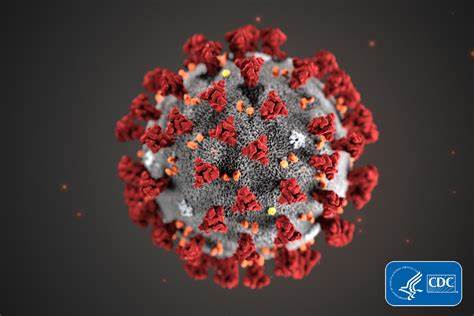
A new study suggests that the novel coronavirus(check out the video) COVID-19 can remain in the air for up to three hours, and live on surfaces such as plastic and stainless steel for up to three days.
Pre-existing conditions among people who are more likely to be affected included
diabetes
cancer
chronic lung disease
chronic heart disease
chronic kidney disease
Some infected people had mild symptoms (such as cold-like symptoms) or no symptoms at all.
Coronaviruses are common in many different species of animals, including camels and bats. Rarely, these coronaviruses can evolve and infect humans and then spread between humans. Recent examples of this include SARS-CoV and MERS-CoV.
Most coronaviruses infect animals, but not people. In the future, one or more of these other coronaviruses could potentially evolve and spread to humans, as has happened in the past. We still don’t understand why only certain coronaviruses are able to infect people.
Common human coronaviruses
Common human coronaviruses, including types 229E, NL63, OC43, and HKU1, usually cause mild to moderate upper-respiratory tract illnesses, like the common cold. Most people get infected with these viruses at some point in their lives. These illnesses usually only last for a short amount of time. Symptoms may include
runny nose
headache
cough
sore throat
fever
a general feeling of being unwell
Human coronaviruses can sometimes cause lower-respiratory tract illnesses, such as pneumonia or bronchitis. This is more common in people with cardiopulmonary disease, people with weakened immune systems, infants, and older adults.
Transmission
Human coronaviruses most commonly spread from an infected person to others through
the air by coughing and sneezing
close personal contact, such as touching or shaking hands
touching an object or surface with the virus on it, then touching your mouth, nose, or eyes before washing your hands
rarely, fecal contamination
In the United States, people usually get infected with common human coronaviruses in the fall and winter. However, you can get infected at any time of the year. Most people will get infected with one or more of the common human coronaviruses in their lifetime. Young children are most likely to get infected. However, people can have multiple infections in their lifetime.
Other human coronaviruses
Most people confirmed to have MERS-CoV infection have had severe respiratory illness with symptoms of:
fever
cough
shortness of breath
Some people also had diarrhea and nausea/vomiting. For many people with MERS, more severe complications followed, such as pneumonia and kidney failure. About 3 or 4 out of every 10 people reported with MERS have died. Most of the people who died had a pre-existing medical condition that weakened their immune system, or an underlying medical condition that hadn’t yet been discovered. Medical conditions sometimes weaken people’s immune systems and make them more likely to get sick or have severe illness.
Pre-existing conditions among people who got MERS have included
diabetes
cancer
chronic lung disease
chronic heart disease
chronic kidney disease
Some infected people had mild symptoms (such as cold-like symptoms) or no symptoms at all.
The symptoms of MERS start to appear about 5 or 6 days after a person is exposed, but can range from 2 to 14 days.
The coronavirus that originated in Wuhan, China, raised global concerns but, after a two day meeting, the World Health Organization has issued a statement saying the situation is not yet an emergency of international concern.
Meanwhile, the Centers for Disease Control and Prevention is monitoring the situation and will provide updated information as it becomes available. In addition, Mayo Clinic continues to closely monitor the coronavirus outbreak and says staff is trained and prepared to care for patients, should the need arise. Dr. Pritish Tosh, a Mayo Clinic infectious diseases specialist, says health care providers need to ask patients with respiratory illness and fever about their recent travel. “It’s important we focus on patients with fever and respiratory symptoms, not just for the novel coronavirus, but also for other respiratory viruses that are circulating, such as influenza,” says Dr. Tosh. “Once these patients are identified, they should be given a mask to wear and put into a room where a health care provider can ask them about recent travel.” Dr. Tosh adds, “They may have been to a part of the Middle East where there is ongoing MERS (Middle East respiratory syndrome) infections. They may also have been in Wuhan, China, or been close to someone who has been there.” The coronavirus is in the same family of viruses as SARS (severe acute respiratory syndrome) and MERS.
Your performance in the bedroom depends on your choices in the kitchen. Research has proven that sugar intake could and is related to sexual dysfunction. Depending on how much sugar you consume between regular sugar and sugary products. Soda, cereal, and the list goes down to how much sugar in your coffee.
There’s a lot of advice out there about the ways a man’s diet can limit him when it comes to having children. We asked urologist Edmund Sabanegh, MD, Chairman of Urology and Director of Cleveland Clinic’s Center for Male Fertility, to help us separate fact from fiction.
Here are his answers to several of the most common questions about links between diet and erectile dysfunction (ED) or male infertility.
Q: Can my food choices cause ED?
A: High-fat diets and higher cholesterol levels are correlated with ED, which is largely caused by clogs in the small blood vessels. So the same things that cause heart disease can lead to ED. In fact, ED can often be the first sign of heart disease.
Q: Can drinking sugary sodas or eating a lot of sugar cause male infertility?
A: Eating or drinking a lot of sugar can lead to obesity, which is a risk factor for diabetes. Poorly controlled diabetes can impact male fertility. Obesity can also cause changes to many hormones including testosterone, which can also lower fertility.
Q: Can eating fatty foods contribute to infertility?
A: Diets that are high in fat seem to be associated with infertility. There are several studies to suggest this.
One study, in particular, compared young men who ate a Western diet to those who ate what the researchers called a “prudent” diet. The Western diet consisted of things like red meat and pizza. The prudent diet was fish, chicken, vegetables and whole grains. Those on the prudent diet had improved fertility and better sperm motility in general.
Q: Do I need to avoid sugary or fatty foods completely if I want to conceive or if I’m concerned about ED?
A: Fertility and erectile function are products of your overall health. One sugary soda or fatty meal here and there isn’t a problem. It’s an issue when you have a regular pattern of taking in high-fat or sugary food or drinks.
Q: Can pesticides from produce that isn’t organic lead to male infertility?
A: There’s evidence that workers exposed to pesticides can have lower fertility, but it’s hard to trace how much pesticide is in store-bought fruits and vegetables. What we do know is that pesticides, in general, can affect sperm count and motility in high enough doses.
Q: Is there a link between processed meats and male infertility?
A: Meats in general are high in fat and fat is an issue. Processed meats are higher in nitrates, which we believe can also affect the sperm.
Q: Are there other foods I should avoid when trying to conceive?
A: Foods that contain phytoestrogens, such as soy products, can change your estrogen levels and potentially lower fertility.
You also need to be careful about androgen supplements, bodybuilding agents and testosterone supplements. The World Health Organization is actually looking at testosterone as a potential male contraceptive because it turns off sperm production. So talk to your doctor before taking any type of supplement.
Q: Are there certain foods I should eat when trying to conceive?
A: Foods that are high in antioxidants, such as fruits and vegetables, may improve fertility in males.
Q: I’ve heard that caffeine can cause male infertility. Is that true?
A: I don’t believe caffeine is a significant issue unless you’re a very high consumer.
Type I Diabetes is also known as Insulin Dependent Diabetes Mellitus (IDDM) or Juvenile Diabetes. Diabetes mellitus is a syndrome (= set of symptoms) characterized by increased level of sugar (glucose) in the blood due to deficiency or inactivity of hormone ‘Insulin’ that is absolutely necessary to monitor glucose metabolism of body. By and large IDDM is an early-onset disease and is frequently seen in children though adults can also be affected by it. Diabetes is prevalent worldwide and if not attended properly, it may lead to serious complications.
Causes of Diabetes 1: IDDM occurs as a result of decreased production of hormone ‘Insulin’ by the pancreas (the organ that synthesizes insulin). This occurs due to loss of the insulin-producing cells (beta cells of the islets of Langerhans) of the pancreas. Auto- immunity (disturbance of immune system where body’s defense mechanism starts attacking body’s own organs and tissues) has been strongly suggested as a causative factor in the initiation of Type I Diabetes. Genetic factors may also have a role to play in this alteration of the immunity. Type 1 diabetes also appears to be triggered by some viral infections or less likely stress-related or environmental factors (such as exposure to certain chemicals).
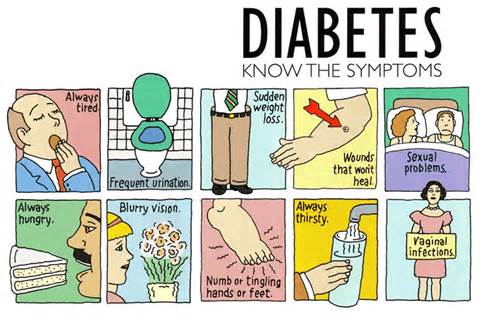
Symptoms:The classical triad of diabetes symptoms is polyuria (frequent urination), polydipsia (increased thirst) and polyphagia (excessive hunger/appetite). These symptoms may develop quite fast in children. There may also be weight loss and excessive fatigue.
Homeopathic treatment: In case of Insulin Dependent Type I diabetes, the role of homeopathy is restricted to controlling the complications of diabetes such as diabetic neuropathy, nephropathy, etc. Homeopathy does not have medicines that could stimulate the pancreas to secrete insulin in cases of Type I diabetes.
Homeopathic treatment: In case of Insulin Dependent Type I diabetes, the role of homeopathy is restricted to controlling the complications of diabetes such as diabetic neuropathy, nephropathy, etc. Homeopathy does not have medicines that could stimulate the pancreas to secrete insulin in cases of Type I diabetes.
Help your system to become a winner when it comes to your next check up at the doctors.







 Orgnat Life Products