
Squash is a versatile and nutritious vegetable that can be used in a variety of dishes. It is also an easy vegetable to grow, making it an excellent …
The Benefits of Organic Squash: How to Grow Your Own

Squash is a versatile and nutritious vegetable that can be used in a variety of dishes. It is also an easy vegetable to grow, making it an excellent …
The Benefits of Organic Squash: How to Grow Your Own

This video is an excellent learning video. it’s not in English but has texted. Plus you can just watch. Very clear how to..


On the other side of the fence from Mrs.Tomatoes is Miss.Potatoe. They really don’t play well together. But add a Mrs.Basil in with Mr. Cucumber and Mrs.Tomatoes, and this combination will sure to give you a bumper crop.They work as a 3 plant combo very well.
You want to make sure that your veggies are happy in their neighborhoods
Here is a chart to help you find the right “Good Neighbors”
Listed from A To Z

| Plant | Plant Companions | Plant Allies | Plant Enemies |
|---|---|---|---|
| Asparagus | Basil, parsley, tomato | Pot marigold deters beetles. | |
| Beans | Beet (to bush beans only), cabbage family, carrot, celery, chard, corn, cucumber, eggplant, pea, potatoes, radish, strawberry. | Marigold deters Mexican bean beetles. Nasturtium and rosemary deter bean beetles. Summer savory deters bean beetles, improves growth and flavor. | Garlic, onion and shallot stunt the growth of beans. |
| Beets | Bush beans, cabbage family, lettuce, onion. | Garlic improves growth and flavor. | Pole beans and beets stunt each other’s growth. |
| Carrots | Bean, lettuce, onion, pea, pepper, radish, tomato. | Chives improve growth and flavor. Rosemary and sage deter carrot fly. | Dill retards growth. |
| Celery | Bean, cabbage family and tomato. | Chives and garlic deter aphids. Nasturtium deters bugs and aphids. | |
| Chard | Bean, cabbage family and onion | ||
| Corn | Bean, cucumber, melon, parsley, pea, potato, pumpkin, squash. | Odorless marigold and white geranium deter Japanese beetles. Pigweed raises nutrients from the subsoil to where the corn can reach them. | Tomatoes and corn are attacked by the same worm. |
| Cucumber | Bean, cabbage family, corn, pea, radish, tomato | Marigold deters beetles. Nasturtium deters aphids, beetles and bugs, improves growth and flavor. Oregano deters pests in general. Tansy deters ants, beetles, bugs, flying insects. | Sage is generally injurious to cucumber. |
| Eggplant | Bean, pepper. | Marigold deters nematodes. | |
| Lettuce | Beet, cabbage family, carrot, onion, radish, strawberry. | Chives and garlic deter aphids. | |
| Melons | Corn, pumpkin, radish, squash. | Marigold deters beetles. Nasturtium deters bugs and beetles. Oregano provides general pest protection. | |
| Onions | Beet, cabbage family, carrot, chard, lettuce, pepper, strawberry, tomato. | Chamomile and summer savory improve growth and flavor. Pigweed raises nutrients from subsoil and makes them available to the onions. Sow thistle improves growth and health. | Onions stunt bean, pea. |
| Parsley | Asparagus, corn, tomato | ||
| Peas | Bean, carrot, corn, cucumber, radish, turnip. | Chives deter aphids. Mint improves health and flavor. | Garlic and onion stunt the growth of peas. |
| Peppers | Carrot, eggplant, onion and tomato | ||
| Potatoes | Beans, cabbage family, corn, eggplant, pea. | Horseradish, planted at the corners of the potato patch, provides general protection. Marigold deters beetles. | Tomatoes and potatoes are attacked by the same blight. |
| Pumpkins | Corn, melon, squash. | Marigold deters beetles. Nasturtium deters bugs, beetles. Oregano provides general pest protection. | |
| Radishes | Bean, carrot, cucumber, lettuce, melon, pea. | Chervil and nasturtium improve growth and flavor. | Hyssop |
| Spinach | Cabbage family, strawberry | ||
| Squash | Corn, melon, pumpkin. | Borage deters worms, improves growth and flavor. Marigold deters beetles. Nasturtium deters squash bugs and beetles. Oregano provides general pest protection. | |
| Strawberry | Bean, lettuce, onion, spinach, thyme. | Cabbage. | Borage strengthens resistance to insects and disease. Thyme, as a border, deters worms. |
| Tomatoes | Asparagus, carrot, celery, cucumber, onion, parsley, pepper. | Basil repels flies and mosquitoes, improves growth and flavor. Bee balm, chives and mint improve health and flavor. Borage deters tomato worm, improves growth and flavor. Dill, until mature, improves growth and health. Once mature, it stunts tomato growth. Marigold deters nematodes. Pot marigold deters tomato worm and general garden pests. | Corn and tomato are attacked by the same worm. Mature dill retards tomato growth. Kohlrabi stunts tomato growth. Potatoes and tomatoes are attacked by the same blight. |
| Turnips | Pea | ||
| Cabbage Family (Broccoli, Brussels Sprouts, Cabbage, Cauliflower, Chinese Cabbage, Kale, and Kohlrabi) | Beet, celery, chard, cucumber, lettuce, onion, potato, spinach. | Chamomile and garlic improve growth and flavor. Catnip, hyssop, rosemary and sage deter cabbage moth. Dill improves growth and health. Mint deters cabbage moth and ants, improves health and flavor. Nasturtium deters bugs, beetles, aphids. Southernwood deters cabbage moth, improves growth and flavor. Tansy deters cabbageworm and cutworm. Thyme deters cabbageworm. | Kohlrabi and tomato stunt each other’s growth. |

Companion Planting In The Garden Makes “Good Neighbors ”


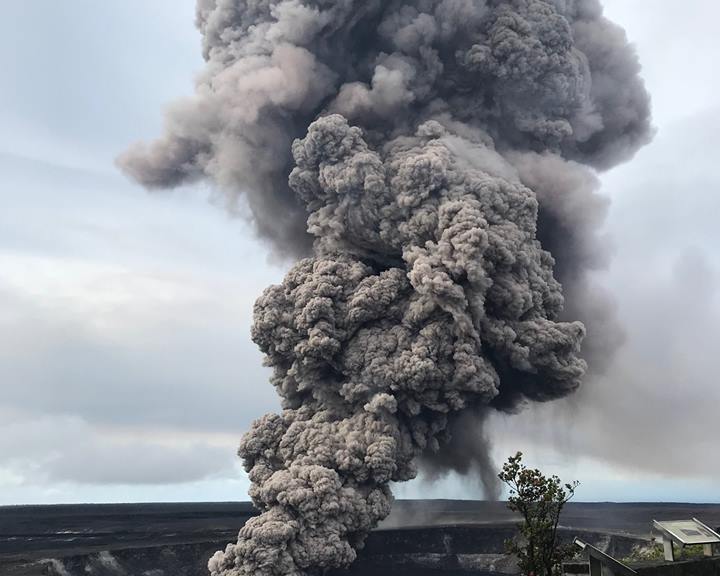
Nothing, No-one, nor any animal or wild life is exempt from the vapors and / or ashes. Who ever is in the path of the downfall will be severally burned and death is usually imminent.
Animals who inhale or ingest volcanic ash are at risk for fluoride poisoning. This could cause internal bleeding, long-term bone damage and teeth loss.
Cows, sheep, goats and horses should be rounded up and put in a closed barn, provided with hay and clean water until the ash dissipated.
Birds were also affected by the volcano. The ponds became heavy with mud and they were unable to fly because their wings were covered with ash.
Guidelines for pet owners concerning animal health after a volcano:
“Pet owners should limit the amount of time that they and their animals spend outside if they detect the ash and consult a vet if they have any concerns about the health of their pets.”
Make sure that you bathe your pet often in Luke warm. Keep any wounds covered and dry. Change bandages everyday for any wounds.
Fine Glass textured ash can cut the lungs if inhaled. Keep all pets in doors or completely covered and out of the elements as well as possible.
I know that the ASPCA steps up during all Natural Disasters to rescue all animals. I have witnessed that first hand during a volcano eruption 15 miles from my home. They came and rescued trapped animals with trucks, trailers and by helicopter. Please help this organization that really does their job…



The Vog Measurement and Prediction Project (VMAP) provides real-time vog forecasts. With the help of our project collaborators vog forecasts are available to the public through this web site. Comments and inquiries can be directed to the appropriate contact. We welcome constructive comments from all VMAP users, and strive to provide the best possible service consistent with our mission and resources. Inquiries into actual measured values and concerns regarding hazardous conditions should be directed to the appropriate agency such as the Hawaii State Department of Health. The VMAP website is intended to be complementary to the data provided by other state and federal agencies.
Vog is primarily a mixture of sulfur dioxide (SO2) gas and sulfate (SO4) aerosol. SO2 (invisible) reacts with oxygen and moisture in the air to produce SO4 aerosol (visible). SO2 is expected to be the main problem in areas near the vent (Hawai`i Volcanoes National Park, Pahala, Na`alehu, Hawaiian Ocean View Estates) and SO4 aerosol is expected to be the main problem at locations far from the vent (Kona and farther north and west). For more information on vog visit the FAQ page here.

The links and material on this page are provided to summarize findings about the effects of vog on health.
How vog affects human health is the topic of active research. Children and those with pre-existing lung conditions are the most vulnerable to its effects. Some studies show that children and those with pre-existing respiratory problems are more likely to visit a medical clinic or emergency room during vog episodes. Although vog exposure has not been shown to cause childhood asthma, it has been shown to aggravate asthma in those already diagnosed with the condition.
When exposed to vog, some people report eye, nose, throat, and/or skin irritation, coughing and/or phlegm, chest tightness and/or shortness of breath, headache, and increased susceptibility to respiratory ailments. Some people also report fatigue and/or dizziness. One researcher also found vog is associated with high blood pressure. Another researcher found a link to anxiety. More detail on the health effects on vog can be found in the References section, or by visiting the International Volcanic Health Hazard Network.


This document has been prepared by the International Volcanic Health Hazard Network (IVHHN), Cities and Volcanoes Commission, GNS Science and the United States Geological Survey (USGS) to promote the safety of those who experience volcanic ashfall. This guide explains the potential health effects of volcanic ash and gives details on how to protect yourself and your family in the event of a volcanic ash fall.

The most effective way to reduce exposure, especially for people with particular susceptibilities (e.g., children and infants, older people and those with existing respiratory (lung) or cardiovascular (heart and blood vessels) disease) is to shelter somewhere which is not ashy, ideally inside a building where you can stay indoors for some time, if necessary. If you are very concerned about your health, take advice from a health professional.
Take steps to keep ash out of your indoor environment:
If you are staying indoors for a long time:
Once the ash has settled, it important to remove it through clean-up activities, using water to dampen it first. You must wear a face mask if you are cleaning up settled ash.
If you cannot remove yourself from the ash, you may wish to use some sort of respiratory protection (e.g., face mask), or may be advised to do so by governmental or humanitarian agencies. Masks may be worn when:
1) you are outdoors and there is ash in the air (either during ash fall or afterwards, when it may be remobilized by wind, vehicles and human activities);
2) ash is being mobilized indoors or outdoors by activities such as removal/cleaning-up.
Masks can be worn during waking hours. It is not recommended to wear a face mask while sleeping as it will probably not stay fitted to the face, and it is harder to breathe with a face mask on.
People with existing respiratory or cardiovascular disease should talk to a health professional about whether facemasks are suitable. Care should be taken to ensure that it is not harder to breathe when using any form of respiratory protection.
Masks are not usually designed to fit children’s faces (although some manufacturers are now producing small masks aimed at children but not infants). Exposure for children and infants should be reduced by staying in a non-ashy (indoor) environment wherever possible. If you do give a mask to a child, show the child how to fit it well, and be very careful it does not make breathing difficult.
The following information will help you decide on which type of respiratory protection to use, but other factors, such as the cost and availability of the protective products, may also need to be taken into account.
When you wear respiratory protection, the effectiveness depends particularly on two factors:
1) how effective the mask or material is at filtering particles (stopping the ash from passing through the material);
2) the fit of the mask or material to the face (preventing particles from entering around the edges).


Please check out the GOFUNDME page. https://www.gofundme.com/hlfarn


The Hawaiʻi Lava Flow Animal Rescue Network (HLFARN) was created to serve as an informational hub for those needing assistance with pets and animals on farms during the 2018 eruption of Kilauea on the Big Island of Hawaiʻi. But it has become so much more than that. HLFARN has blossomed from a group of strangers into an Ohana; a family of people whose love for animals has taken them into the path of an erupting volcano to rescue pets and farm animals that have been left behind.
We are a grassroots movement to help the residents displaced from Leilani Estates and lower Puna to evacuate their beloved companions and friends. As a group of volunteers, we have rescued over 200 animals thus far. We continue to help residents, their furry friends, and…
View original post 222 more words

 What is Diatomaceous Earth Used for in the Garden?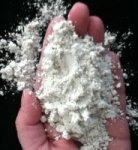
To the insects, the diatomaceous earth is a lethal dust with microscopic sharp edges that cut through the insect’s protective covering, causing them to dry out, thus killing them when they are either dusted with the diatomaceous earth or applied in a wet spray form.
One of the benefits of diatomaceous earth for insect control is that the insects it helps to control have no way to build up a resistance to the diatomaceous earth, like with many of the chemical control insecticides
How to Apply Diatomaceous Earth In The Garden: Most places where you can purchase diatomaceous earth will have complete directions on the proper application of the product. As with any pesticide, be sure to read the label thoroughly and follow the directions thereon! The directions will include how to properly apply the diatomaceous earth (DE) both in the garden and indoors for the control of many insects as well as forming a barrier of sorts against them.
In the garden diatomaceous earth may be applied as a dust with a dust applicator approved for such use; again it is of the utmost importance to wear a dust mask during application of the diatomaceous earth in this manner and leave the mask on until you have left the dusting area. Keep pets and children clear of the dusting area until the dust has settled.
In my opinion, it is better to apply the product in a wettable form to avoid the airborne dust particles problem, even then wearing a dust mask is a garden smart action to take. When using as a dust application, you will want to cover both the top and underside of all foliage with the dust. If it rains right after the dust application, it will need to be reapplied. A great time to do the dust application is right after a light rain or in the very early morning when the dew is upon the foliage as it helps the dust to stick well to the foliage.
 Please make sure you do not apply where bees will be. It will kill them.
For doing the spray application of diatomaceous earth, the mix ratio is usually one (1) cup of diatomaceous earth per ½ gallon or two (2) cups per gallon of water. Keep the mix tank agitated or stir it often to keep the diatomaceous earth powder well mixed with the water. This mix may also be applied as a paint of sorts to trees and some shrubs.
This is truly an amazing product of nature for use in our gardens and around our homes. Don’t forget that it is the “Food Grade” of diatomaceous earth that we want for our gardens and home use.
Important Notice: I recommend using Organic Freshwater Food Grade DE in the garden just in case an animal consumes the DE. . * Any food grade diatomaceous earth uses other than those approved by the EPA, FDA, or USDA are strictly reports of what hundreds of users as well as Holistic Veterinarians have recommended.


Ask around like we did and sure enough you begin to acquire a valuable database of folk remedies. Everyone we asked had a home remedy or two; a grandmother’s remedy to cure gout (apple cider vinegar), a remedy to stop diarrhea within minutes (turmeric), an old Mexican cure for a nagging cough (garlic).
Herbs are known for their culinary, medicinal and relaxation properties. They flavor food and provide numerous health benefits. However, not many people can manage to have fresh herbs throughout the year and they use dried ones. This is mainly due to the climate. Fortunately, you can grow your own herbs indoors and have a fresh supply all year long. Fresh herbs are rich in nutrients, color, and flavor. Here’s how to grow herbs indoors.
Growing Herbs Indoors
The process of growing plants indoors in water is known as hydroponics. So, here are the steps:
You should take some herb cutting and put them in glass bottles. Add plain water, either rain water or tap water which has been left to air overnight. Avoid using tight-fitting containers.
Remove the lower leaves because they can rot in water. You should change the water once a week. When the roots start growing, don’t change the water.
You can also soak a few willow branches in warm water overnight and then use to speed up the growth.
Place the jar on a bright light.
1. Basil
You can easily grow basil indoors. It is packed with antioxidant, antibiotic, anti-fungal, and antiviral properties and it provides numerous benefits. Simply, cut off the stem you want to root before the parent plant flowers.
2. Lemon Balm
This herb is known for its fresh smell, which keeps the mosquitoes and insects away. You should pick several cuttings in spring or fall and put them in water in a bright place. Lemon balm can help digestion and reduce anxiety. Bear in mind that you should change the water once a week.
3. Oregano
The process of growing oregano is similar to that of basil. You should take fresh oregano cuttings in water and pinch the growing tips as it grows. It has various health benefits which come as a result of its antibacterial, antiviral, anti-fungal, and antioxidant properties.
4. Peppermint
This is probably the easiest herb you can grow indoors. All you should do is place some fresh peppermint cuttings in water. You can use it in your salads and desserts. It will soothe bowel syndrome and reduce the stress levels. Moreover, you will be protected from spiders and mice as they don’t like the smell.
5. Rosemary
Its thick stems will take a while to grow roots and should be placed in a sunny spot. You can use it in soups, as a garnish or meat rub. It can improve the brain health, boost memory, and promote hair growth.
6. Sage
You can grow your own sage indoors by taking a few sprigs in the spring from an outdoor plant and placing them in shallow water. Make sure you don’t let the leaves touch the water. This amazing herb will help you with anxiety, and it will improve the memory.
7. Spearmint
This herb requires the same growing process as peppermint. It is extremely beneficial for post-menopausal women and can balance sex hormones.
8. Stevia
Take organic stevia cuttings and put them in a glass jar full of water. Stevia doesn’t like the cold, so make sure to put it in a consistently warm spot. It will help you stop smoking.
9. Tarragon
Grow tarragon by taking spring cuttings after fresh growth appears. You should place it on a warm and bright spot. Tarragon is packed with antibacterial properties and it can regulate blood sugar levels and treat metabolic syndrome.
10. Thyme
You should take cuttings in the mid-spring or early summer before the parent plants flowers. Keep it moist to prevent drying out. This herb is beneficial as it can lower blood pressure, prevent tooth decay, and cause cancer cell death.
 Barter or Buy
Trader Tutu’s Unique Adult Gifts and Games
http://www.tradertutus.com

 Why Use Pesticides that Harm.
There are ways to repel your ants naturally.
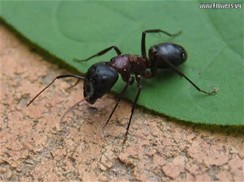
You can make natural ant repellent and get rid of sugar ants and black ants without toxic chemicals that can hurt your pets or kids. A mixture of borax, sugar and flour kills both roaches and ants. The flour and sugar attract the insects, and the borax kills them. Cocoa powder is an effective substitute for the sugar.
Borax mixtures are also effective against silverfish. The boric acid content in borax damages the insects’ outer skeletons, causing them to dehydrate. More expensive commercial insecticides also use boric acid. Water lowers borax’s effectiveness, making it only suitable for dry locations.
While borax is less toxic than other insecticides, it is still mildly toxic. Users must ensure that children and pets do not have access to borax-based insect bait.
One of the benefits of diatomaceous earth for ant control is that the insects it helps to control have no way to build up a resistance to the diatomaceous earth, like with many of the chemical control insecticides
NATURAL ENIMIES OF FIRE ANTS
 Classical or self-sustaining biological control is the use of imported natural enemies to suppress pests.
Self-sustaining biological control can be an effective and environmentally safe method to permanently control pests over wide areas.








 Orgnat Life Products