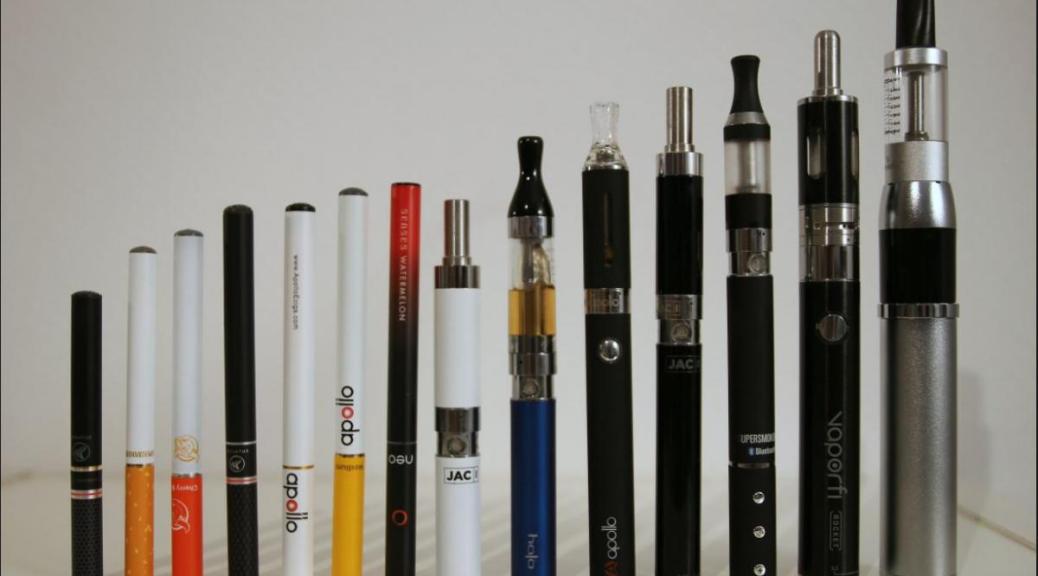
It’s killing you, your friends and family members.

QUIT NOW 1-800-784-8669
It’s killing you, your friends and family members.
QUIT NOW 1-800-784-8669

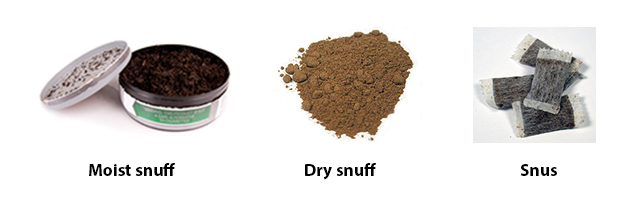
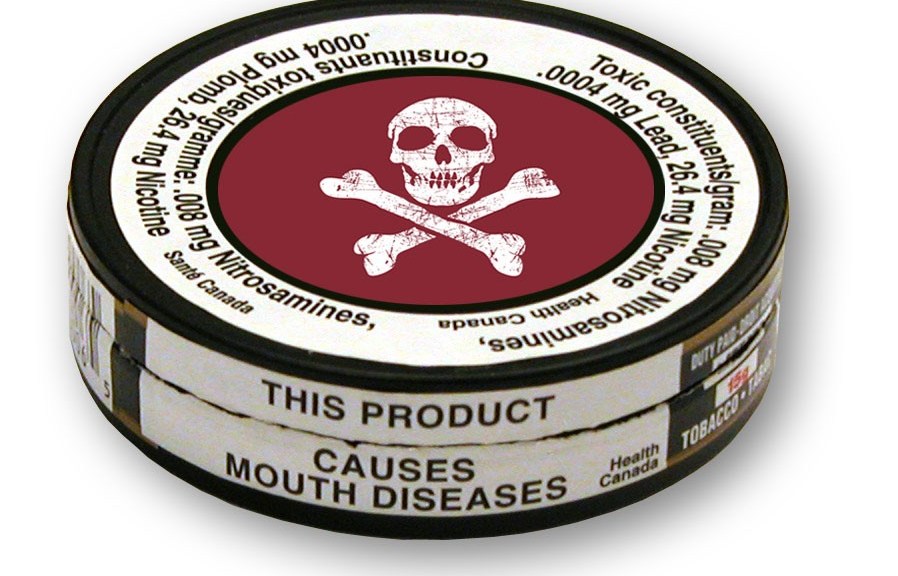
Smokeless tobacco is associated with many health problems.
Using smokeless tobacco:
Using smokeless products can cause serious health problems.
MAKE EXTRA CASH IN YOUR SPARE TIME!!!
Protect your health; don’t start. If you do use them, quit.
Addiction to Smokeless Tobacco
Smokeless Tobacco and Cancer
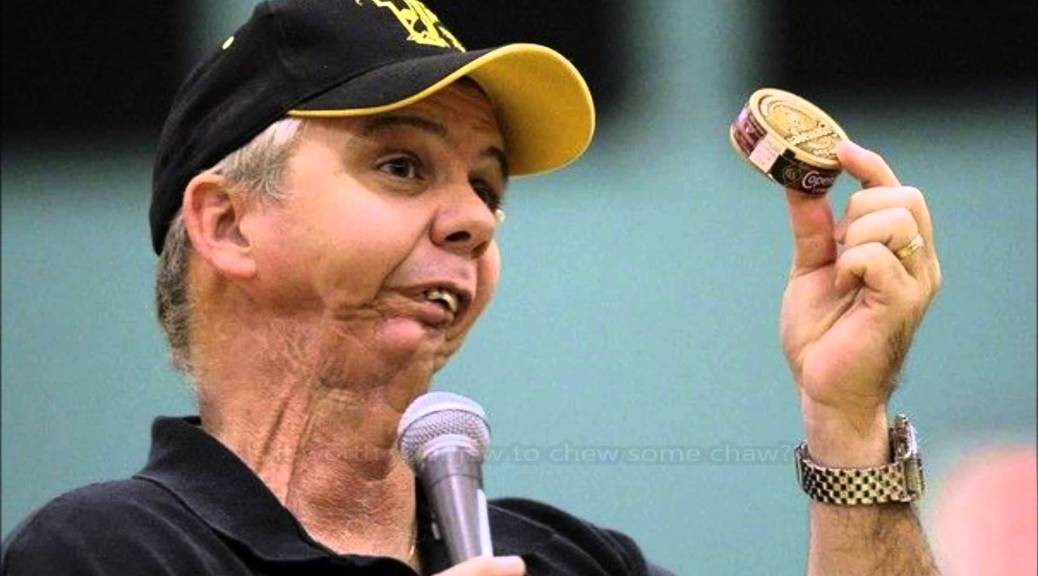
Smokeless tobacco, like chew and dip, can cause cancer of the mouth, esophagus, and pancreas.
Smokeless Tobacco and Oral Disease
Reproductive and Developmental Risks
Other Risks


Prevalence and Incidence
Gender Differences
http://www.youtube.com/watch?v=Out098oAdxs
Racial/Ethnic Differences
Survival Rates
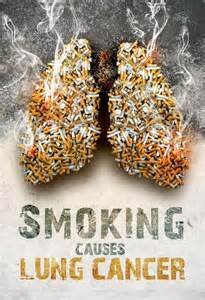
Smoking-Attributable Lung Cancer
Other Causes

For More Information on Lung Cancer Research @ Mayo Clinic
For more information on lung cancer, please review the Lung Cancer Morbidity and Mortality Trend Report at www.lung.org or call the American Lung Association at1-800-LUNG-USA (1-800-586-4872).
*Racial and ethnic minority terminology reflects those terms used by the Centers For Disease Control.
Mayo Clinic information Link for Lung Cancer


Smoking is the leading cause of preventable death.
Costs and Expenditures
The tobacco industry spends billions of dollars each year on cigarette advertising and promotions.4
Smoking costs the United States billions of dollars each year.
State spending on tobacco prevention and control does not meet CDC-recommended levels.
Cigarette Smoking in the US
Percentage of U.S. adults aged 18 years or older who were current cigarette smokers in 2015:8
Note: Current cigarette smokers are defined as persons who reported smoking at least 100 cigarettes during their lifetime and who, at the time they participated in a survey about this topic, reported smoking every day or some days.
Thousands of young people start smoking cigarettes every day.
Many adult cigarette smokers want to quit smoking.
Note: “Made a quit attempt” refers to smokers who reported that they stopped smoking for more than 1 day in the past 12 months because they were trying to quit smoking.


Tobacco use can lead to tobacco/nicotine dependence and serious health problems. Quitting smoking greatly reduces the risk of developing smoking-related diseases.
Tobacco/nicotine dependence is a condition that often requires repeated treatments, but there are helpful treatments and resources for quitting.
Smokers can and do quit smoking. In fact, today there are more former smokers than current smokers.
Nicotine Dependence
Stopping smoking is associated with the following health benefits:
Smokers’ Attempts to Quit
Among all current U.S. adult cigarette smokers, nearly 7 out of every 10 (68.0%) reported in 2015 that they wanted to quit completely.
Percentage of adult daily cigarette smokers who stopped smoking for more than 1 day in 2015 because they were trying to quit:10
Percentage of high school cigarette smokers who tried to stop smoking in the past 12 months:
Ways to Quit Smoking
Most former smokers quit without using one of the treatments that scientific research has shown can work.10 However, the following treatments are proven to be effective for smokers who want help to quit:
Medications for quitting that have been found to be effective include the following:
Counseling and medication are both effective for treating tobacco dependence, and using them together is more effective than using either one alone.
Helpful Resources
Quit line Services
Call 1-800-QUIT-NOW (1-800-784-8669) if you want help quitting. This is a free telephone support service that can help people who want to stop smoking or using tobacco. Callers are routed to their state quit lines, which offer several types of quit information and services. These may include:
Online Help
Get free help online, too.
Facebook has an assortment of Quit Smoking Groups.
Here are some non-bias groups you may want to start with:
FACEBOOK: Quit Smoking Support Group #dowhatworksforyou

 Health Benefits of Quitting
Stopping smoking is associated with the following health benefits:


Smoking is estimated to cause one-third of all cancer deaths and one-fourth of the fatal heart attacks in the United States. The American Lung Association estimates 350,000 Americans die every year from diseases related to smoking. (My own estimate is closer to 500,000.) Forty percent of smokers die before they reach retirement age.
All the talk about premature death goes over the heads of teen-agers who start smoking and the young adults who won’t quit. The hazards of smoking just seem too far off to them.
That’s why I like to remind young smokers I know that the habit strikes men in the penis and women in the face. That’s right.
Years ago, when I kicked the cigarette habit, I didn’t know much about herbal medicine. If I were quitting today, I’d use some herbs to help.
Licorice (Glycyrrhiza glabra). I don’t have much science here, just a gut belief to back licorice as an anti-smoking aid. I’ve also heard a lot of positive stories about people kicking the habit with the help of licorice.
How does this work? Licorice root happens to look just like an old cheroot cigarette. You can keep a stick of licorice root handy and suck on it in place of a cigarette. I believe it works by helping to satisfy the oral cravings people who are addicted to cigarettes seem to have. If I were still a smoker, I’d give this a try.
It’s interesting that most licorice coming to the United States goes into tobacco products — chewing tobacco and pipe tobacco — presumably for flavor.
You should be aware that while licorice and its extracts are safe for normal use in moderate amounts — the equivalent of up to about three cups of tea a day — long-term use (more than six weeks) or ingestion of excessive amounts can produce headache, lethargy, sodium and water retention, excessive loss of potassium and high blood pressure.
Red clover (Trifolium pratense). A few years back I got a call from an entrepreneur looking for a source of red clover. He wanted literally tons to use as a major ingredient in a tobacco-free chewing tobacco product he planned to market, all tinned up just like the real thing.
Remember to check further to see if you are compatible with the products mentioned.

 Orgnat Life Products