Tag Archives: mouth cancer

Smokeless Tobacco


Smokeless Tobacco: Health Effects

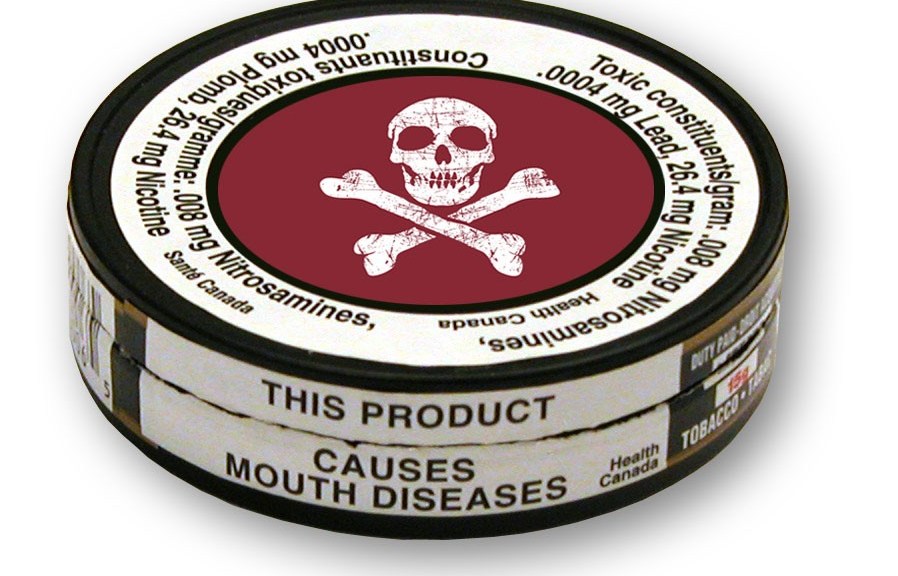
Smokeless tobacco is associated with many health problems.

Using smokeless tobacco:

  • Can lead to nicotine addiction
  • Causes cancer of the mouth, esophagus (the passage that connects the throat to the stomach), and pancreas (a gland that helps with digestion and maintaining proper blood sugar levels)
  • Is associated with diseases of the mouth
  • Can increase risks for early delivery and stillbirth when used during pregnancy
  • Can cause nicotine poisoning in children
  • May increase the risk for death from heart disease and stroke

Using smokeless products can cause serious health problems.

MAKE EXTRA CASH IN YOUR SPARE TIME!!!

Protect your health; don’t start. If you do use them, quit.

Addiction to Smokeless Tobacco

  • Smokeless tobacco contains nicotine, which is highly addictive.
  • Because young people who use smokeless tobacco can become addicted to nicotine, they may be more likely to also become cigarette smokers.

Smokeless Tobacco and Cancer

  • Many smokeless tobacco products contain cancer-causing chemicals.
  • The most harmful chemicals are tobacco-specific nitrosamines, which form during the growing, curing, fermenting, and aging of tobacco. The amount of these chemicals varies by product.
  • The higher the levels of these chemicals, the greater the risk for cancer.
  • Other chemicals found in tobacco can also cause cancer. These include:
  • A radioactive element (polonium-210) found in tobacco fertilizer
  • Chemicals formed when tobacco is cured with heat (polynuclear aromatic hydrocarbons—also known as polycyclic aromatic hydrocarbons)
  • Harmful metals (arsenic, beryllium, cadmium, chromium, cobalt, lead, nickel, mercury)
  • Smokeless tobacco causes cancer of the mouth, esophagus, and pancreas.

Smokeless tobacco, like chew and dip, can cause cancer of the mouth, esophagus, and pancreas.

Smokeless Tobacco and Oral Disease

  • Smokeless tobacco can cause white or gray patches inside the mouth (leukoplakia) that can lead to cancer.
  • Smokeless tobacco can cause gum disease, tooth decay, and tooth loss.

Reproductive and Developmental Risks

  • Using smokeless tobacco during pregnancy can increase the risk for early delivery and stillbirth.
  • Nicotine in smokeless tobacco products that are used during pregnancy can affect how a baby’s brain develops before birth.

Other Risks

  • Using smokeless tobacco increases the risk for death from heart disease and stroke.
  • Smokeless tobacco can cause nicotine poisoning in children.
  • Additional research is needed to examine long-term effects of newer smokeless tobacco products, such as dissolvables and U.S. snus.

Save

We have a few articles covering this subject.

Save

STOP SMOKING FAST FACTS


Fast Facts About Smoking


Diseases and Death

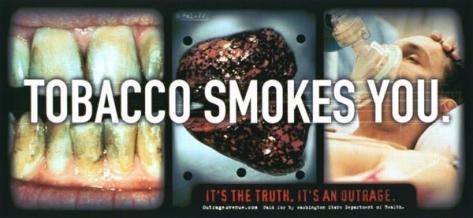
Smoking leads to disease and disability and harms nearly every organ of the body

  • More than 16 million Americans are living with a disease caused by smoking.
  • For every person who dies because of smoking, at least 30 people live with a serious smoking-related illness.
  • Smoking causes cancer, heart disease, stroke, lung diseases, diabetes, and chronic obstructive pulmonary disease (COPD), which includes emphysema and chronic bronchitis.
  • Smoking also increases risk for tuberculosis, certain eye diseases, and problems of the immune system, including rheumatoid arthritis.
  • Smoking is a known cause of erectile dysfunction in males.

Smoking is the leading cause of preventable death.

  • Worldwide, tobacco use causes nearly 6 million deaths per year, and current trends show that tobacco use will cause more than 8 million deaths annually by 2030.
  • Cigarette smoking is responsible for more than 480,000 deaths per year in the United States, including more than 41,000 deaths resulting from secondhand smoke exposure. This is about one in five deaths annually, or 1,300 deaths every day.
  • On average, smokers die 10 years earlier than nonsmokers.
  • If smoking continues at the current rate among U.S. youth, 5.6 million of today’s Americans younger than 18 years of age are expected to die prematurely from a smoking-related illness. This represents about one in every 13 Americans aged 17 years or younger who are alive today.

Costs and Expenditures

The tobacco industry spends billions of dollars each year on cigarette advertising and promotions.4

  • In 2014, more than $9 billion was spent on advertising and promotion of cigarettes—nearly $25 million every day, and about $1 million every hour.
  • Price discounts account for nearly 80% of all cigarette marketing. These are discounts paid to cigarette retailers or wholesalers in order to reduce the price of cigarettes to consumers.

Smoking costs the United States billions of dollars each year.

  • Total economic cost of smoking is more than $300 billion a year, including
  • Nearly $170 billion in direct medical care for adults
  • More than $156 billion in lost productivity due to premature death and exposure to secondhand smoke

State spending on tobacco prevention and control does not meet CDC-recommended levels.

  • States have billions of dollars from tobacco taxes and tobacco industry legal settlements to prevent and control tobacco use. However, states currently use a very small amount of these funds for tobacco control programs.
  • In fiscal year 2017, states will collect $26.6 billion from tobacco taxes and legal settlements but will only spend $491.6 million—less than 2%—on prevention and cessation programs.
  • Currently, only two states (Alaska and North Dakota) fund tobacco control programs at CDC’s “recommended” level. Only one other state (Oklahoma) provides even half the recommended funding. Two states (Connecticut and New Jersey) have allocated no state funds for tobacco use prevention.
  • Spending less than 13% (i.e., $3.3 billion) of the $26.6 billion would fund every state tobacco control program at CDC-recommended levels.

Cigarette Smoking in the US

Percentage of U.S. adults aged 18 years or older who were current cigarette smokers in 2015:8

  • 15.1% of all adults (36.5 million people): 16.7% of males, 13.6% of females
    • Nearly 22 of every 100 non-Hispanic American Indians/Alaska Natives (21.9%)
    • About 20 of every 100 non-Hispanic multiple race individuals (20.2%)
    • Nearly 17 of every 100 non-Hispanic Blacks (16.7%)
    • Nearly 17 of every 100 non-Hispanic Whites (16.6%)
    • About 10 of every 100 Hispanics (10.1%)
    • 7 of every 100 non-Hispanic Asians (7.0%)

Note: Current cigarette smokers are defined as persons who reported smoking at least 100 cigarettes during their lifetime and who, at the time they participated in a survey about this topic, reported smoking every day or some days.

Thousands of young people start smoking cigarettes every day.

  • Each day, more than 3,200 people younger than 18 years of age smoke their first cigarette.
  • Each day, an estimated 2,100 youth and young adults who have been occasional smokers become daily cigarette smokers.

Many adult cigarette smokers want to quit smoking.

  • In 2011:1
  • Nearly 7 in 10 (68.9%) adult cigarette smokers wanted to stop smoking.
  • More than 4 in 10 (42.7%) adult cigarette smokers had made a quit attempt in the past year.
  • Since 2012, the Tips From Former SmokersTM campaign has motivated an estimated 500,000 tobacco smokers to quit for good.

Note: “Made a quit attempt” refers to smokers who reported that they stopped smoking for more than 1 day in the past 12 months because they were trying to quit smoking.

STOP SMOKING AND HAVE THE LIFESTYLE YOU DESERVE

SavSaveSave

Save

QUITTING SMOKING


Quitting Smoking

Tobacco use can lead to tobacco/nicotine dependence and serious health problems. Quitting smoking greatly reduces the risk of developing smoking-related diseases.

Tobacco/nicotine dependence is a condition that often requires repeated treatments, but there are helpful treatments and resources for quitting.

Smokers can and do quit smoking. In fact, today there are more former smokers than current smokers.

Nicotine Dependence

  • Most smokers become addicted to nicotine, a drug that is found naturally in tobacco.
  • More people in the United States are addicted to nicotine than to any other drug.
  • Research suggests that nicotine may be as addictive as heroin, cocaine, or alcohol.
  • Quitting smoking is hard and may require several attempts.
  • People who stop smoking often start again because of withdrawal symptoms, stress, and weight gain.
  • Nicotine withdrawal symptoms may include:
    • Feeling irritable, angry, or anxious
    • Having trouble thinking
    • Craving tobacco products
    • Feeling hungrier than usual

Health Benefits of Quitting

  • Tobacco smoke contains a deadly mix of more than 7,000 chemicals; hundreds are harmful, and about 70 can cause cancer.
  • Smoking increases the risk for serious health problems, many diseases, and death.
  • People who stop smoking greatly reduce their risk for disease and early death. Although the health benefits are greater for people who stop at earlier ages, there are benefits at any age.
  • You are never too old to quit.

Stopping smoking is associated with the following health benefits:

  • Lowered risk for lung cancer and many other types of cancer.
  • Reduced risk for heart disease, stroke, and peripheral vascular disease (narrowing of the blood vessels outside your heart).
  • Reduced heart disease risk within 1 to 2 years of quitting.
  • Reduced respiratory symptoms, such as coughing, wheezing, and shortness of breath. While these symptoms may not disappear, they do not continue to progress at the same rate among people who quit compared with those who continue to smoke.
  • Reduced risk of developing some lung diseases (such as chronic obstructive pulmonary disease, also known as COPD, one of the leading causes of death in the United States).
  • Reduced risk for infertility in women of childbearing age. Women who stop smoking during pregnancy also reduce their risk of having a low birth weight baby.

Smokers’ Attempts to Quit

Among all current U.S. adult cigarette smokers, nearly 7 out of every 10 (68.0%) reported in 2015 that they wanted to quit completely.

  • Since 2002, the number of former smokers has been greater than the number of current smokers.

Percentage of adult daily cigarette smokers who stopped smoking for more than 1 day in 2015 because they were trying to quit:10

  • More than 5 out of 10 (55.4%) of all adult smokers
  • Nearly 7 out of 10 (66.7%) smokers aged 18–24 years
  • Nearly 6 out of 10 (59.8%) smokers aged 25–44 years
  • More than 4 out of 10 (49.6%) smokers aged 45–64 years
  • About 4 out of 10 (47.2%) smokers aged 65 years or older

Percentage of high school cigarette smokers who tried to stop smoking in the past 12 months:

  • More than 4 out of 10 (45.5%) of all high school students who smoke

Ways to Quit Smoking

Most former smokers quit without using one of the treatments that scientific research has shown can work.10 However, the following treatments are proven to be effective for smokers who want help to quit:

  • Brief help by a doctor (such as when a doctor takes 10 minutes or less to give a patient advice and assistance about quitting)
  • Individual, group, or telephone counseling
  • Behavioral therapies (such as training in problem solving)
  • Treatments with more person-to-person contact and more intensity (such as more or longer counseling sessions)
  • Programs to deliver treatments using mobile phones

Medications for quitting that have been found to be effective include the following:

  • Homeopathic Over-the-counter stop smoking aids
  • Nicotine replacement products
  • Over-the-counter (nicotine patch [which is also available by prescription], gum, lozenge)
  • Prescription (nicotine patch, inhaler, nasal spray)
  • Prescription non-nicotine medications: bupropion SR (Zyban®), varenicline tartrate (Chantix®)

Counseling and medication are both effective for treating tobacco dependence, and using them together is more effective than using either one alone.

  • More information is needed about quitting for people who smoke cigarettes and also use other types of tobacco.

Helpful Resources

Quit line Services

Call 1-800-QUIT-NOW (1-800-784-8669) if you want help quitting. This is a free telephone support service that can help people who want to stop smoking or using tobacco. Callers are routed to their state quit lines, which offer several types of quit information and services. These may include:

  • Free support, advice, and counseling from experienced quit line coaches
  • A personalized quit plan
  • Practical information on how to quit, including ways to cope with nicotine withdrawal
  • The latest information about stop-smoking medications
  • Free or discounted medications (available for at least some callers in most states)
  • Referrals to other resources
  • Mailed self-help materials

Online Help

Get free help online, too.

Facebook has an assortment of Quit Smoking Groups.

Here are some non-bias groups you may want to start with:

FACEBOOK: Quit Smoking Support Group  #dowhatworksforyou

Save

Save

Save

Save