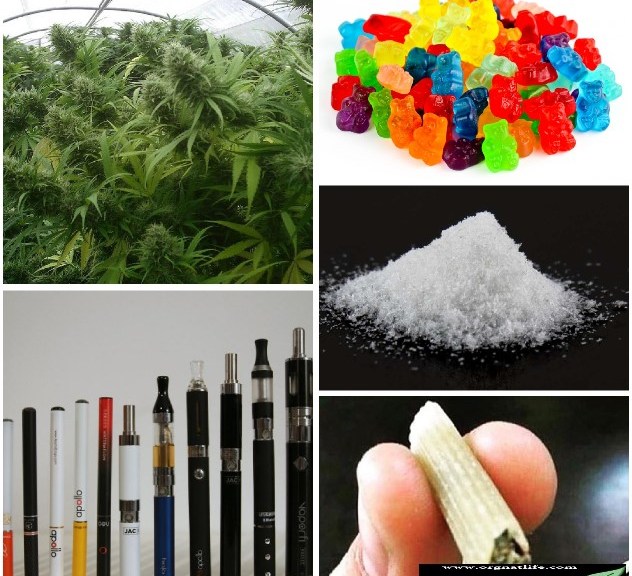
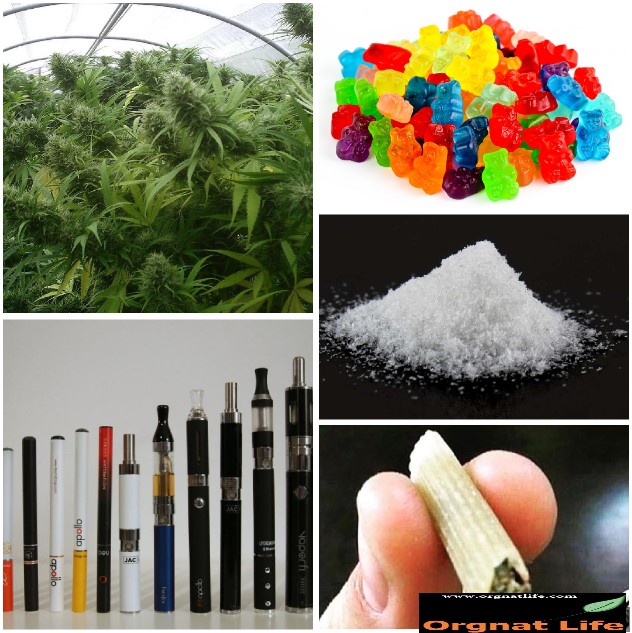
Organic CBD VS. Synthetic Crystal Science?
The FDA has stated that CBD is not a treatment for serious illnesses such as cancer, Diabetes and Alzeheimer’s.
CBD can take any where from 30 minutes to four hours to take effect. The effects can last up to 6 to 8 hours.
Over Dosing America
So if that chewy cookie contains 30 milligrams and the adult reccomended adult dosage is 5 milligrams, if you eat the entire cookie you will be over dosing yourself.
What CBD does treat is in lotions for pain releif, tinctures for pain relief and stomach issues. These products along with the edibles have been said to releive many ailments.
Recreational Users: Dont be fooled about the potency. If you are inhaling THC from smoking the product, edibles with CBD is much more potent and a different “High”.
Where THC can treat MANY bI pOLAR, aNXIETY, pANIC aTTACK mental issues by just smoking to calm someone
Cancer patients use THC by consuming and smoking the product. Patients releave nausea and increase their apatite also by smoking.
According to KUSH.COM:
Over the past decade, the cannabis- and hemp-derived compound cannabidiol (CBD) as well as other cannabinoids have taken center stage in the ongoing revolution of natural medicine. This is mostly due to the work of medical researchers, who through numerous independent studies have found evidence of various medicinal and therapeutic properties in CBD. Today, both natural and synthetic CBD is commonly used around the world to ameliorate symptoms of a wide variety of disorders. These include:
- Chronic pain disorders such as arthritis
- Seizures and epilepsy
- Sleep disorders and insomnia
- Inflammatory disorders such as gout or IBD
- Anxiety disorders
- Vascular and circulatory problems
It’s worth noting that evidence of CBD’s potential health benefits recorded in scientific literature are from studies analyzing pharmaceutical-grade CBD, which is very different from the CBD products available to the public. As of this writing, there is only one CBD oil approved by the FDA for prescription: a product called Epidiolex. Physicians are still generally hesitant to prescribe CBD, and usually recommend it as a supplementary form of home medication.
Naturally-Sourced CBD: Where It Comes From & Why That’s a Good Thing
Aside from the work of medical researchers, there is an impressive amount of anecdotal evidence supporting the idea that naturally-sourced CBD products can reduce or improve the severity of symptoms related to a variety of conditions; from panic attacks to obsessive compulsive disorder.
Some independent studies have even found that naturally-sourced CBD can cause appreciable improvement in symptoms related to the early stages of dementia, such as mood swings, aggravation and disruption of circadian rhythms. This is due in large part to the fact that natural CBD comes from two plants chock-full of health-positive compounds: cannabis and hemp.
KUSH.COM ALSO SAID:
The Dangers of Synthetic CBD & Natural Cannabinoid Analogs
With the skyrocketing popularity of the legal whole-plant cannabis industry, several companies have sought to simultaneously increase profits and reduce production time by creating synthetic CBD and cannabinoids. These are man-made chemicals typically synthesized with either fluoride or bromide, and designed to emulate the effects of naturally-sourced CBD and cannabinoids. They are then touted as “just as effective” with “no side effects.”
A key study by the Journal of Medical Phyto Research in Los Gatos, California analyzed the catabolic enzyme production of two control groups over 22 weeks; the first taking natural CBD and the second taking synthetic CBD. The second group showed dangerous levels of Alanine Amino Transferase (ALT) and Aspartate Amino Transferase (AST), two enzymes recruited to remove the synthetic CBD from their bodies. The study concluded that the human body is not equipped to properly catabolize synthetic cannabinoids.
In the summer of 2018, the FDA issued a statement warning of the “significant health risks of synthetic cannabinoid products” and linked their usage to “severe illnesses and even deaths” in several cases over the past few months in a number of states across America.


 Orgnat Life Products