Tag Archives: PEST CONTROL

What is Diatomaceous Earth Used for in the Garden?


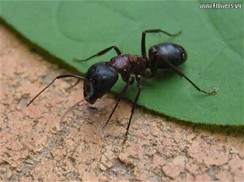
black-ant-on-leafWhat is Diatomaceous Earth Used for in the Garden?

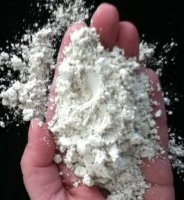
The uses for diatomaceous earth are many but in the garden diatomaceous earth can be used as an insecticide.
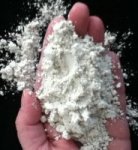
Diatomaceous earth works to get rid of insects such as:


  •     Aphids
  •     Thrips
  •     Ants
  •     Mites
  •     Earwigs
  •     Bedbugs
  •     Adult Flea Beetles
  •     Cockroaches
  •     Snails
  •     Slugs

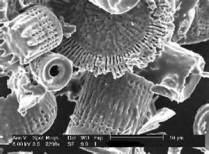
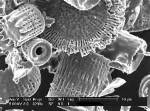
To the insects, the diatomaceous earth is a lethal dust with microscopic sharp edges that cut through the insect’s protective covering, causing them to dry out, thus killing them when they are either dusted with the diatomaceous earth or applied in a wet spray form.

One of the benefits of diatomaceous earth for insect control is that the insects it helps to control have no way to build up a resistance to the diatomaceous earth, like with many of the chemical control insecticides

How to Apply Diatomaceous Earth In The Garden: Most places where you can purchase diatomaceous earth will have complete directions on the proper application of the product. As with any pesticide, be sure to read the label thoroughly and follow the directions thereon! The directions will include how to properly apply the diatomaceous earth (DE) both in the garden and indoors for the control of many insects as well as forming a barrier of sorts against them.

In the garden diatomaceous earth may be applied as a dust with a dust applicator approved for such use; again it is of the utmost importance to wear a dust mask during application of the diatomaceous earth in this manner and leave the mask on until you have left the dusting area. Keep pets and children clear of the dusting area until the dust has settled.

In my opinion, it is better to apply the product in a wettable form to avoid the airborne dust particles problem, even then wearing a dust mask is a garden smart action to take. When using as a dust application, you will want to cover both the top and underside of all foliage with the dust. If it rains right after the dust application, it will need to be reapplied. A great time to do the dust application is right after a light rain or in the very early morning when the dew is upon the foliage as it helps the dust to stick well to the foliage.
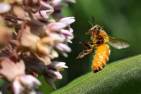
Please make sure you do not apply where bees will be. It will kill them.

For doing the spray application of diatomaceous earth, the mix ratio is usually one (1) cup of diatomaceous earth per ½ gallon or two (2) cups per gallon of water. Keep the mix tank agitated or stir it often to keep the diatomaceous earth powder well mixed with the water. This mix may also be applied as a paint of sorts to trees and some shrubs.

This is truly an amazing product of nature for use in our gardens and around our homes. Don’t forget that it is the “Food Grade” of diatomaceous earth that we want for our gardens and home use.

Important Notice:  I recommend using  Organic Freshwater Food Grade DE in the garden just in case an animal consumes the DE. . * Any food grade diatomaceous earth uses other than those approved by the EPA, FDA, or USDA are strictly reports of what hundreds of users as well as Holistic Veterinarians have recommended.
Save

DIATOMACEOUS EARTH FOR YOUR PETS


DIATOMACEOUS EARTH FOR YOUR PETS

de-2PETS: Our best friends come in all shapes and sizes. Protect them from fleas and other crawling insects with diatomaceous earth. Thoroughly treat floor and bedding in and around pets’ sleeping quarters. Treat surrounding cracks and crevices, baseboards, carpeting and wherever fleas and other crawling insects are suspected.

CRAWLING INSECT CONTROL diatomaceous earth kills by physical action, not chemical. The tiny diatoms scratch off the insect’s waxy coating, and they dehydrate and die.

“Our work is based on natural, preventive care for animals, so of course we are always on the lookout for good, quality NATURAL products to help our clients and our listening audience that won’t break the bank.” We have long been proponents of diatomaceous earth as a natural pest control for all animals.

Regular Food Grade Diatomaceous Earth for Pet and Animal Consumption:
The Following is Recommended Food daily doses for Dogs and Cats. The diatomaceous earth seems to create an environment in the digestive system that parasites cannot live in. Also reported are great results with sore and painful hips and joints, and even a fuller, healthier shiny coat when fed as a regular daily supplement.

Other suggestions for food grade diatomaceous earth for pets:
Cat Litter/Kitty Litter: Liberally add Diatomaceous Earth to litter box to effectively control dampness and odors.

Animal Suggested Rate
Large Cats 1 teaspoon
Kittens 1/4 teaspoon
Dogs 100 lbs + 1-2 tablespoons
Dogs 50-100 lbs 1 tablespoon
Mini dogs 1/2 teaspoon

In clinical observations of feeding dogs over 35 lbs. 1 tablespoon/day, and dogs under 35 lbs. 1 teaspoon/day, of diatomaceous earth, within seven days all ova disappeared from stools. Diatomaceous Earth controlled Ascarids (Toxocana), Hookworms (Anclyostoma caninum), and Whipworms (Trichuris vulipis).
As pets get older, they often get sore hips and painful joints. Diatomaceous Earth in your pet’s daily diet will reduce arthritic inflammation.

Other suggestions for food grade diatomaceous earth for pets:

Cat Litter/Kitty Litter: Liberally add Diatomaceous Earth to litter box to effectively control dampness and odors.

DIATOMACEOUS EARTH FOR LIVESTOCK:

Goats, chickens, horses, cows, pigs, sheep, rabbits and others will benefit from the use of Food Grade Diatomaceous Earth. As well as being beneficial to animal health our Diatomaceous Earth also acts as an anti-caking additive to help the feed ingredients from sticking together.

More LIVESTOCK BENEFITS that have been observed:

  •     Stimulates basic metabolism
  •     Converts feed better
  •     Reduces the desire to lick soil
  •     Scouring or diarrhea: when fed it seems to act as a material that drives both virus and bacteria out of the body and solidifies the stool
  •      Reduces odor and moisture in barns and stalls
  •     Better coat and hoof condition
  •     Reduces annual vet bills–decreased mortality
  •     Dairy cattle: Increased milk production
  •     Better egg production, stronger eggs, and reduces overall animal stress
  •    Suggested LIVESTOCK FEEDING and Application Rates:
  •    % of total weight of dry ration 5% in grain or 1 oz. per day
  •    Animal   Suggested Rate
  •    Beef Cattle
  •   Dairy Cattle         1% of total weight of dry ration or 1 oz. per day
  •   Calves   4 grams in morning milk per calf or 2 oz. per day in feed
  •   Chickens              5% in feed, use at full strength in dusting boxes
  •   Hogs      2% of total feed ration, dust or spray on bedding and animals
  •   Horses   5 oz. (1 cup) in daily feed ration
  •   Sheep    1% in ground grains 1 part Diatomaceous Earth to 2 parts T-M salt
  •   Goats    1% in grain, 1/2 oz per day, up to 50% in T-M salt

FOR LARGE ANIMALS, Diatomaceous Earth may be offered as “FREE CHOICE” as long as the dispenser is well protected from the wind. Your livestock will also gain benefits from the many trace MINERALS naturally provided by Freshwater Food Grade Diatomaceous Earth, and DE helps reduce animal excrement odors that draw flies.

Important Notice: Feed ONLY Organic Freshwater Food Grade DE To animals. Any food grade diatomaceous earth uses other than those approved by the EPA, FDA, or USDA are strictly reports of what hundreds of users as well as Holistic Veterinarians have recommended.

Save

What is Diatomaceous Earth Used for in the Garden?


By Orgnatlife.com

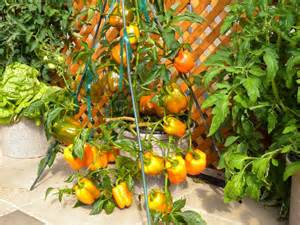
The uses for diatomaceous earth are many, but in the garden diatomaceous earth can be used as an insecticide. ants-gardenDiatomaceous earth works to get rid of insects such as:

Aphids, Thrips, Ants, Mites, Earwigs, Bedbugs, Adult Flea Beetles, Cockroaches, Snails and Slugs

To the insects, the diatomaceous earth is a lethal dust with microscopic sharp edges that cut through the insect’s protective covering, causing them to dry out, thus killing them when they are either dusted with the diatomaceous earth or applied in a wet spray form.

de-microscopeOne of the benefits of diatomaceous earth for insect control is that the insects it helps to control have no way to build up a resistance to the diatomaceous earth, like with many of the chemical control insecticides.


How to Apply Diatomaceous Earth In The Garden

Most places where you can purchase diatomaceous earth will have complete directions on the proper application of the product. As with any pesticide, be sure to read the label thoroughly and follow the directions thereon! The directions will include how to properly apply the diatomaceous earth (DE) both in the garden and indoors for the control of many insects as well as forming a barrier of sorts against them.

black-ant-on-leafIn the garden diatomaceous earth may be applied as a dust with a dust applicator approved for such use; again it is of the utmost importance to wear a dust mask during application of the diatomaceous earth in this manner and leave the mask on until you have left the dusting area. Keep pets and children clear of the dusting area until the dust has settled.

In my opinion, it is better to apply the product in a wettable form to avoid the airborne dust particles problem, even then wearing a dust mask is a garden smart action to take. When using as a dust application, you will want to cover both the top and underside of all foliage with the dust. If it rains right after the dust application, it will need to be reapplied. A great time to do the dust application is right after a light rain or in the very early morning when the dew is upon the foliage as it helps the dust to stick well to the foliage.

de-2For doing the spray application of diatomaceous earth, the mix ratio is usually one (1) cup of diatomaceous earth per ½ gallon or two (2) cups per gallon of water. Keep the mix tank agitated or stir it often to keep the diatomaceous earth powder well mixed with the water. This mix may also be applied as a paint of sorts to trees and some shrubs.

This is truly an amazing product of nature for use in our gardens and around our homes. Don’t forget that it is the “Food Grade” of diatomaceous earth that we want for our gardens and home use.

HOME PEST CONTROL… Ants YIKES!!!


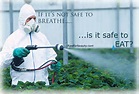
warning-pesticidesWhy Use Pesticides that Harm.

There are ways to repel your ants naturally.

Home Remedy to Kill Ants

You can make natural ant repellent and get rid of sugar ants and black ants without toxic chemicals that can hurt your pets or kids. A mixture of borax, sugar and flour kills both roaches and ants. The flour and sugar attract the insects, and the borax kills them. Cocoa powder is an effective substitute for the sugar.
Borax mixtures are also effective against silverfish. The boric acid content in borax damages the insects’ outer skeletons, causing them to dehydrate. More expensive commercial insecticides also use boric acid. Water lowers borax’s effectiveness, making it only suitable for dry locations.
While borax is less toxic than other insecticides, it is still mildly toxic. Users must ensure that children and pets do not have access to borax-based insect bait.black-ant-on-leaf

One of the benefits of diatomaceous earth for ant control is that the insects it helps to control have no way to build up a resistance to the diatomaceous earth, like with many of the chemical control insecticides
NATURAL ENIMIES OF FIRE ANTS
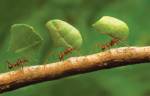
ants-gardenClassical or self-sustaining biological control is the use of imported natural enemies to suppress pests.
Self-sustaining biological control can be an effective and environmentally safe method to permanently control pests over wide areas.